Best Profiles for Hand Comfort: Ergonomic Rail Shapes and Sizes
How Thoughtful Handrail Design Improves Safety, Accessibility, and Daily Use
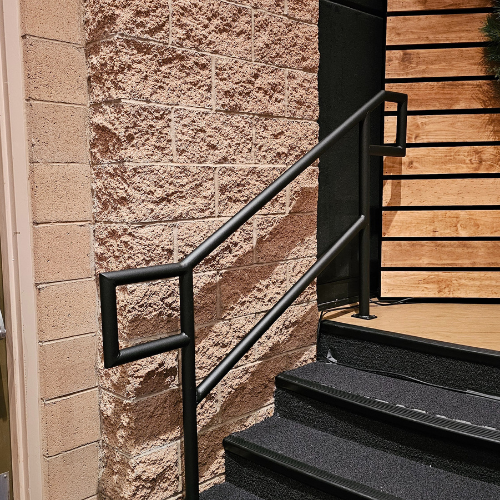
Handrails are one of the most frequently touched architectural elements in any home or commercial space. While many people focus on aesthetics, the true performance of a handrail lies in how it feels in the hand. Ergonomic rail profiles reduce fatigue, improve stability, and increase safety—especially for children, seniors, and anyone navigating stairs daily. At 83MetalCraft LLC, decades of experience designing and fabricating custom rail systems in Boise have shown that comfort, compliance, and craftsmanship must work together.
Why Ergonomics Matter in Handrail Design
Building codes reference graspability for a reason: the human hand has natural limits. Railings that are too wide, too thin, or poorly shaped reduce grip strength and increase fall risk. Proper ergonomic profiles are backed by accessibility research, OSHA guidance, ADA standards, and building code commentary.
Understanding Ergonomic Handrail Principles
What makes a handrail comfortable to grip?
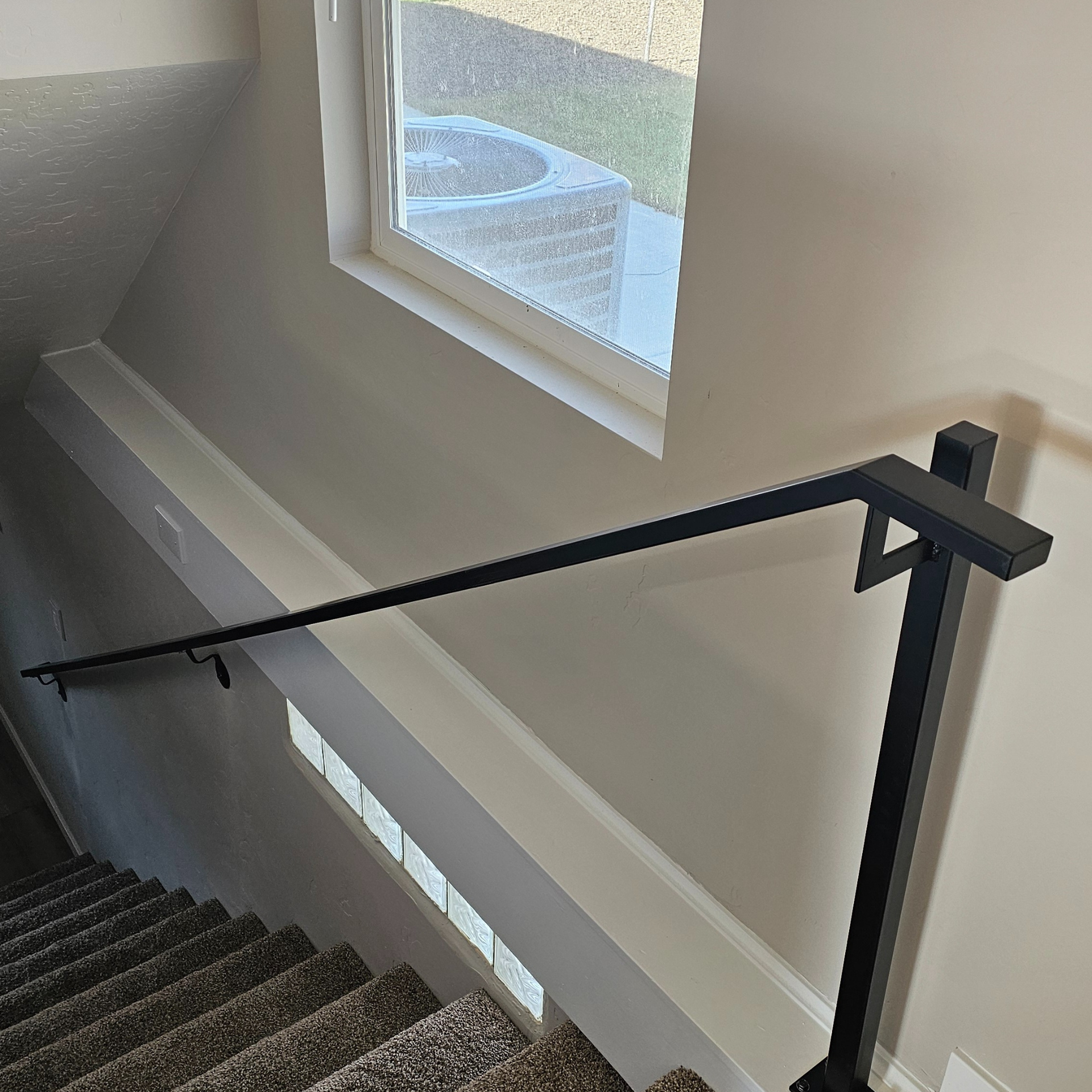
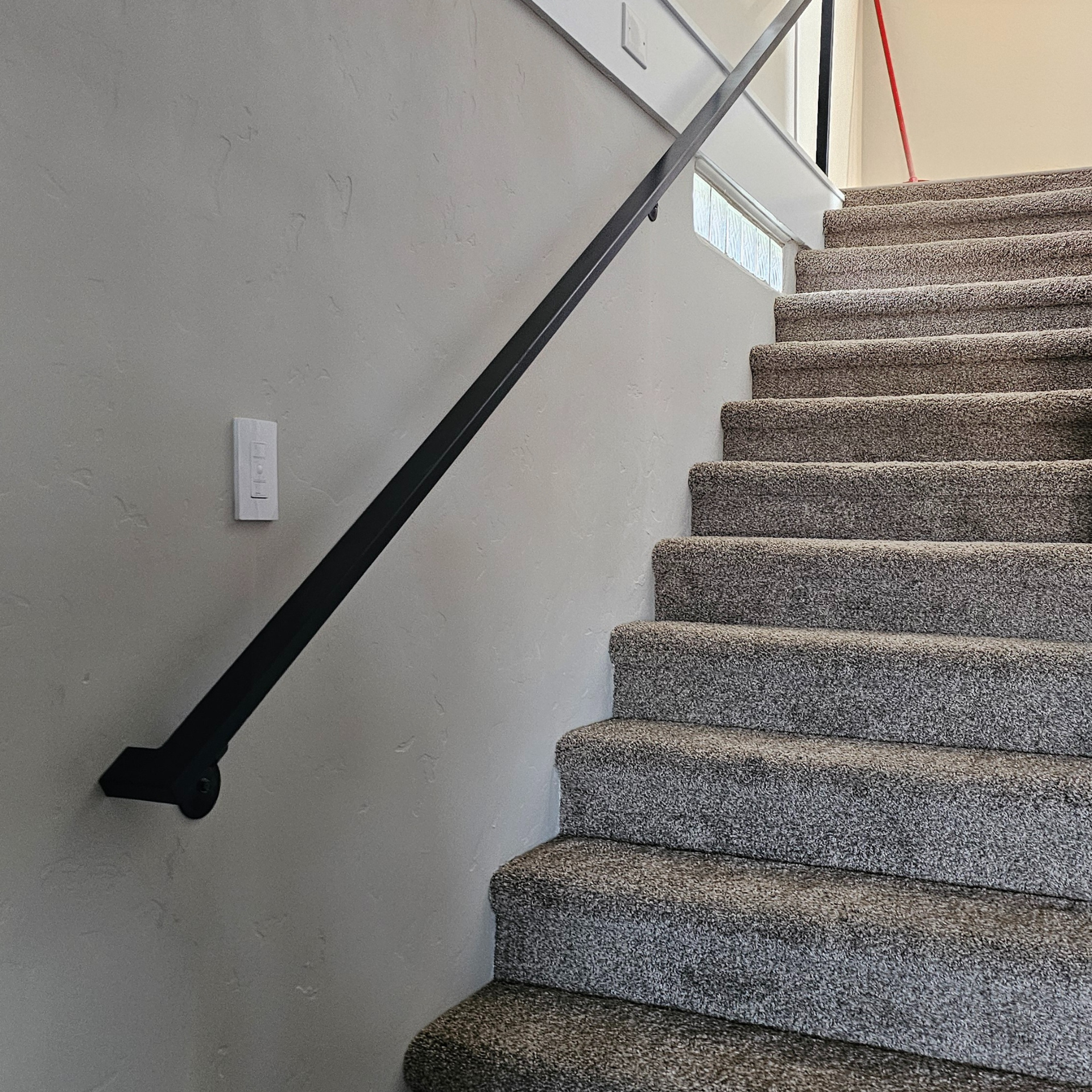
Comfort begins with profile shape and diameter. Professionals specializing in metal fabrication boise understand that round or oval profiles between 1¼” and 2” allow the thumb and fingers to wrap naturally. Sharp edges, flat bars, or oversized rails reduce grip security, especially when hands are wet or cold. Ergonomic rails distribute pressure evenly across the palm, reducing strain and improving confidence on stairs.
Why local fabrication expertise matters
Working with boise metal fabrication specialists ensures rail profiles are not only comfortable but compliant with Idaho-adopted codes. Local fabricators understand inspection expectations and real-world usage patterns common in Treasure Valley homes, from icy winters to multi-generational households.
How welding quality affects hand comfort
Precision welding boise practices eliminate rough seams, spatter, and inconsistencies that can irritate hands. Smooth transitions at joints and returns are essential for continuous graspability, especially on long stair runs.
Why certified welding improves longevity
Experienced welding boise idaho professionals ensure rail seams remain smooth over time. Poor welds can crack or warp, creating sharp edges that compromise comfort and safety.
Material, Shape, and Fabrication Choices
Why metal railings excel ergonomically
A well-designed metal railing boise installation allows precise control over diameter, curvature, and finish. Unlike wood, metal does not splinter, swell, or degrade in high-touch areas, making it ideal for long-term comfort.
The role of fabrication standards
Using quality metal fab processes ensures consistent profiles from start to finish. Uniformity is critical—variations in diameter or shape can disrupt muscle memory and reduce grip confidence.
Balancing comfort with visual appeal
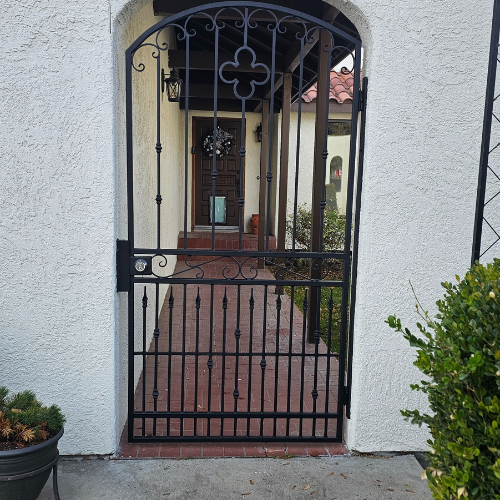
Through ornamental fabrication, ergonomic rails can still complement architectural style. Comfort does not mean sacrificing elegance; it means engineering beauty responsibly.
Where design meets human use
Thoughtful metal and design integration ensures railings feel natural within the space, aligning hand height, sightlines, and movement patterns.
Stair-specific ergonomic considerations
Professional steel stair fabricators understand that stair angle, rise, and run affect how a handrail is used. Ergonomic rails follow the natural arc of motion rather than forcing awkward wrist angles.
Precision in fabrication
Accurate metal railing fabrication ensures consistent diameter, smooth bends, and seamless returns—key factors in hand comfort.
Choosing the right professionals
Experienced railing fabricators consider ergonomics early, not as an afterthought, preventing costly redesigns later.
Related Architectural Elements
Coordinating with exterior structures
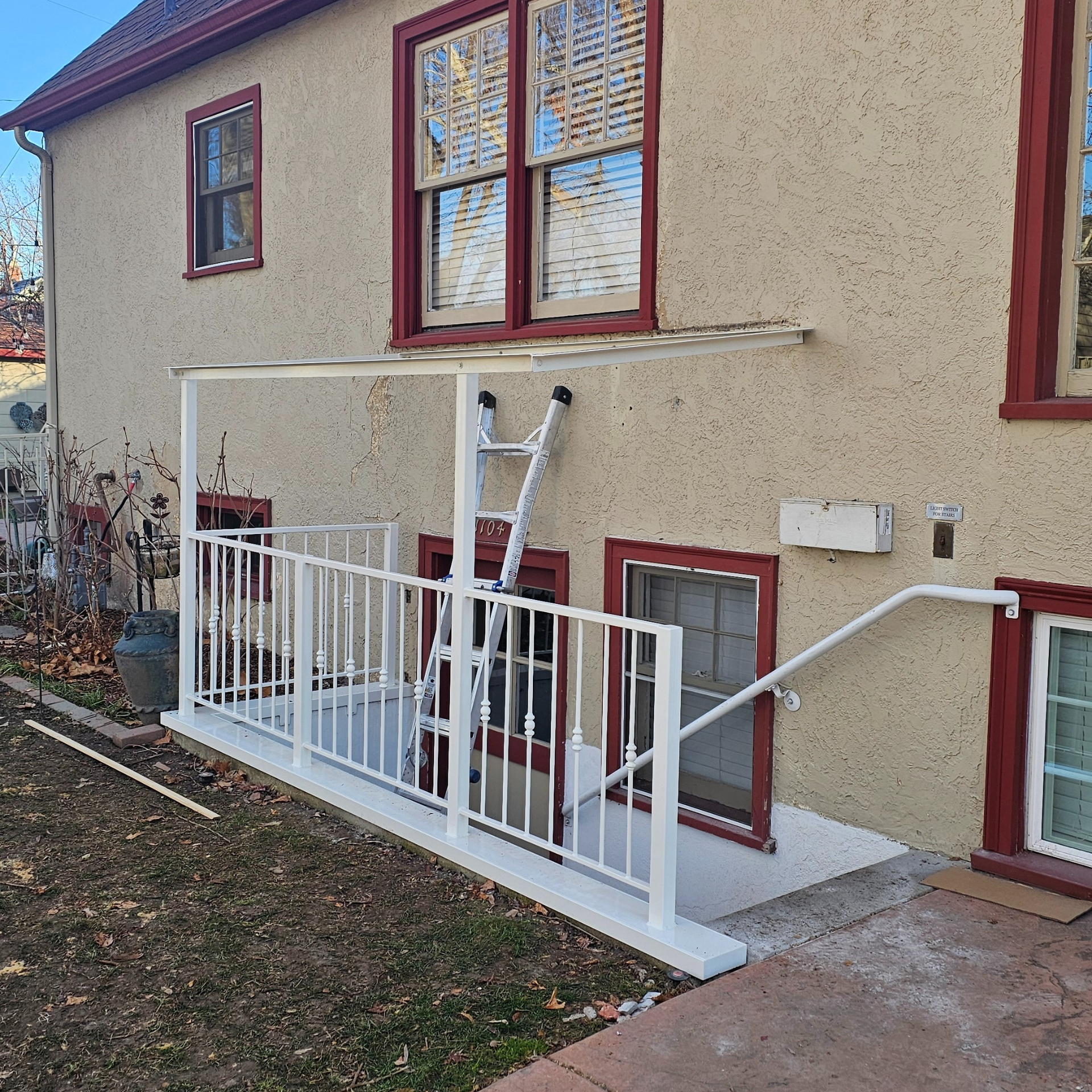
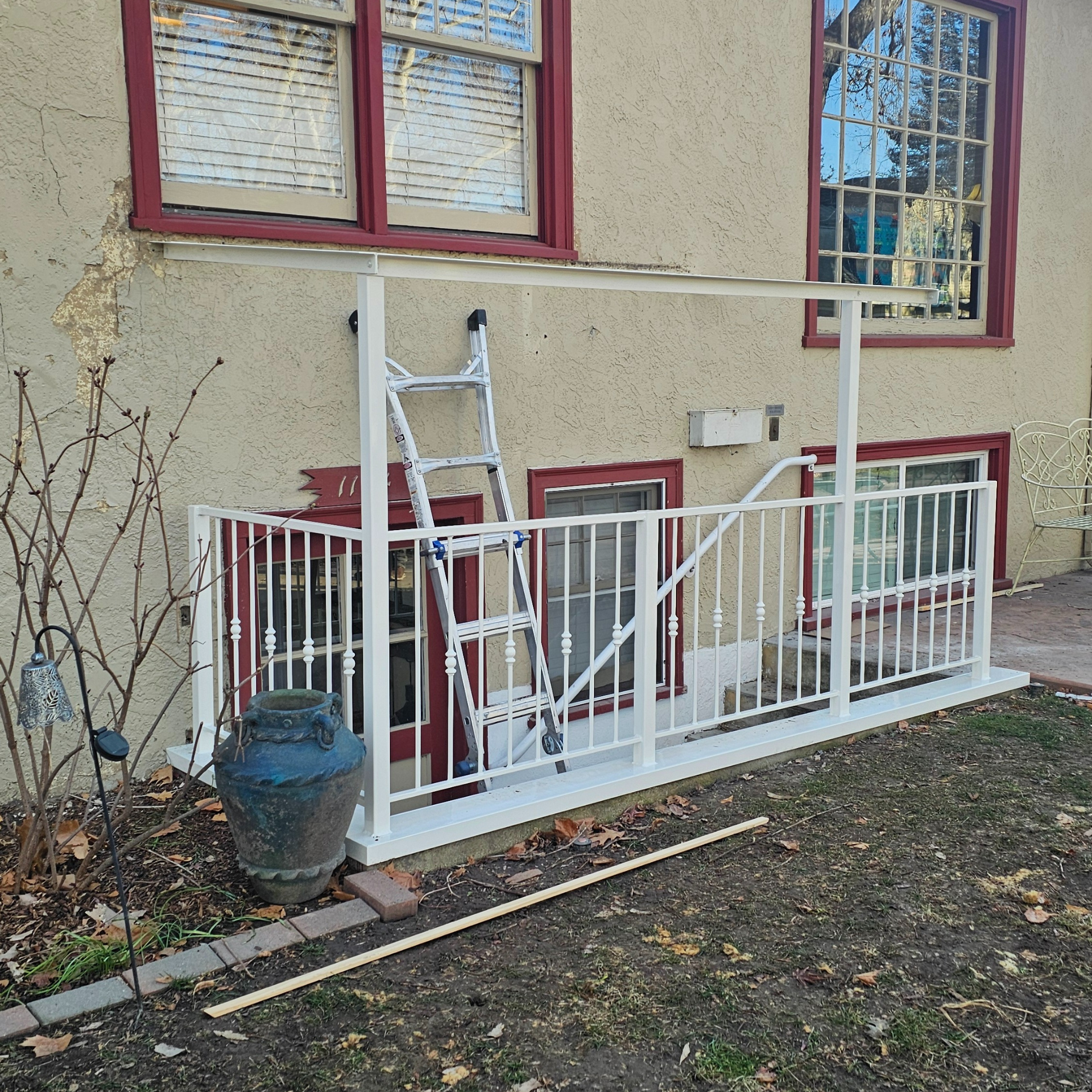
Features like awnings boise id influence how railings are approached and used, especially at exterior stair landings.
Interior stairway integration
An architecture stairway metal railing must align with wall clearances and lighting to remain comfortable and intuitive.
Beyond railings
Custom metal works often integrate handrails with landings, guards, and balconies for consistent grip experience.
Controlled fabrication environments
Professional metal working shops provide the precision tooling needed for repeatable ergonomic profiles.
Skilled craftsmanship matters
A dedicated metal worker shop ensures hands-on quality control throughout fabrication.
Regional insight
Knowledge of treasure valley metal sourcing helps ensure consistent material feel and finish.
Custom solutions
A custom metal fabrication shop like 83MetalCraft tailors rail profiles to client needs, not mass-produced limitations.
Where comfort is built
A fully equipped metal workshop allows test fitting and refinement before installation.
Advantages of smaller shops
Small metal fabrication operations often deliver higher attention to ergonomic detail.
Adaptive craftsmanship
A professional metal working shop can modify profiles quickly based on client feedback.
Flexibility in production
A small fabrication shop allows direct collaboration between designer and fabricator.
Local accountability
Choosing a local metal shop means faster adjustments and long-term support.
Traditional skillsets
A hands-on metal work shop emphasizes finish quality and user comfort.
Structural integrity
Proper metal work fabrication ensures ergonomic rails remain rigid and secure.
Built for daily use
High-quality metal fabrication work ensures rails feel the same on day one and year ten.
Tailored ergonomics
Thoughtful custom metalwork delivers handrails designed for real people, not generic standards.
Pros and Cons of Ergonomic Handrail Profiles
Pros
- Improved safety and grip
- Reduced hand fatigue
- Better accessibility
- Higher long-term satisfaction
Cons
- Requires professional design
- Slightly higher upfront planning
- Limited off-the-shelf options
Frequently Asked Questions
What is the most comfortable handrail diameter?
Typically 1¼”–2” for most adult hands.
Are round rails better than square?
Yes, round and oval profiles are easier to grasp.
Do building codes require ergonomic shapes?
Codes require graspability, which ergonomics supports.
Can decorative rails still be comfortable?
Yes, when designed correctly.
Are metal rails cold to the touch?
Finish choice and indoor placement minimize this issue.
Do ergonomic rails help seniors?
Significantly—better grip reduces fall risk.
Can existing rails be modified?
Often yes, depending on structure.
Does finish affect grip?
Yes, overly slick finishes reduce traction.
Are custom rails worth the cost?
They improve safety, comfort, and longevity.
Why choose 83MetalCraft?
Local expertise, ergonomic focus, and precision fabrication.
Ready to work with 83MetalCraft, LLC?
Let's connect! We’re here to help.
Send us a message and we’ll be in touch.
Or give us a call today at +1-208-948-2114
Agency Contact Form
More Marketing Tips, Tricks & Tools
Blog