How to Design Railing Transitions at Landings and Mid-Returns
Code-Compliant, Safe, and Seamless Handrail Transitions for Stairs and Landings
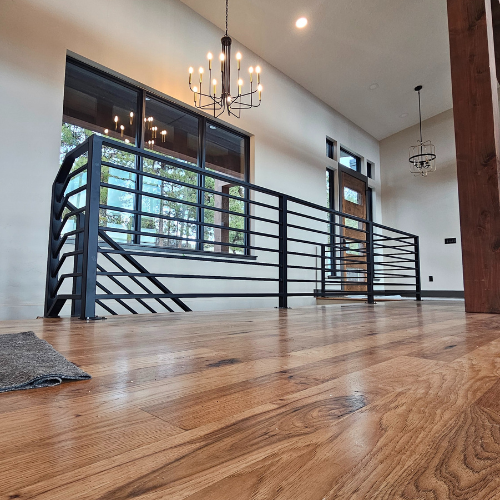
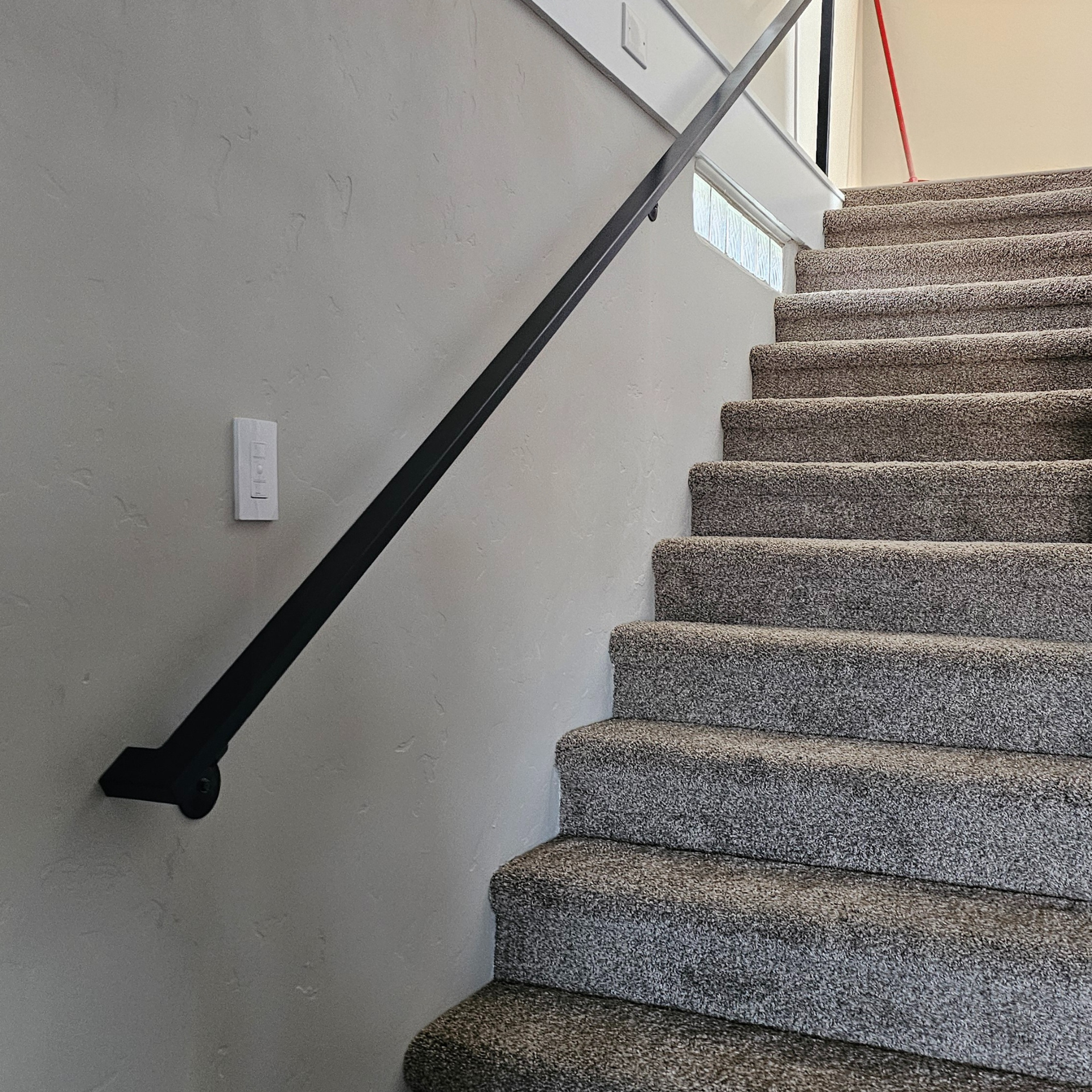
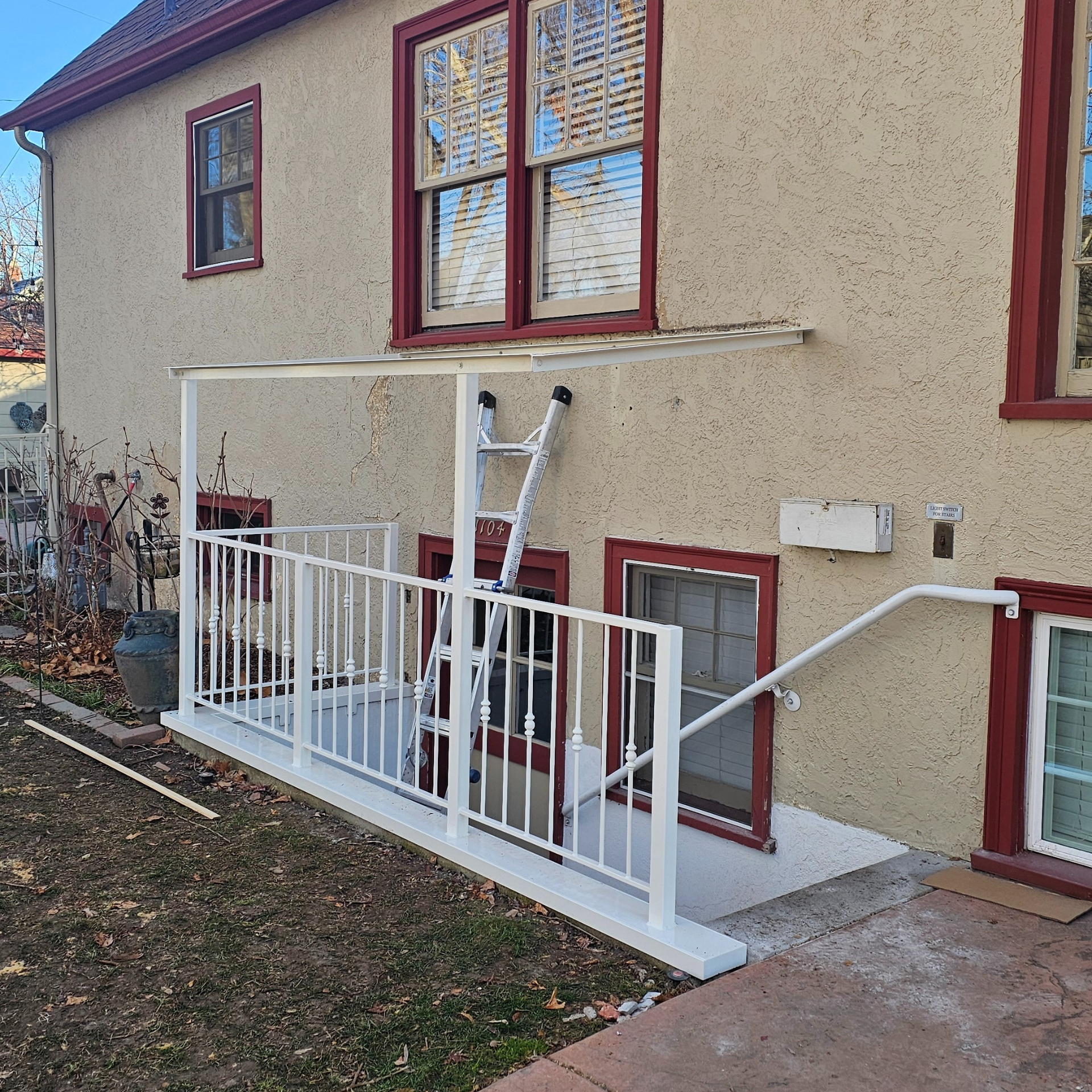
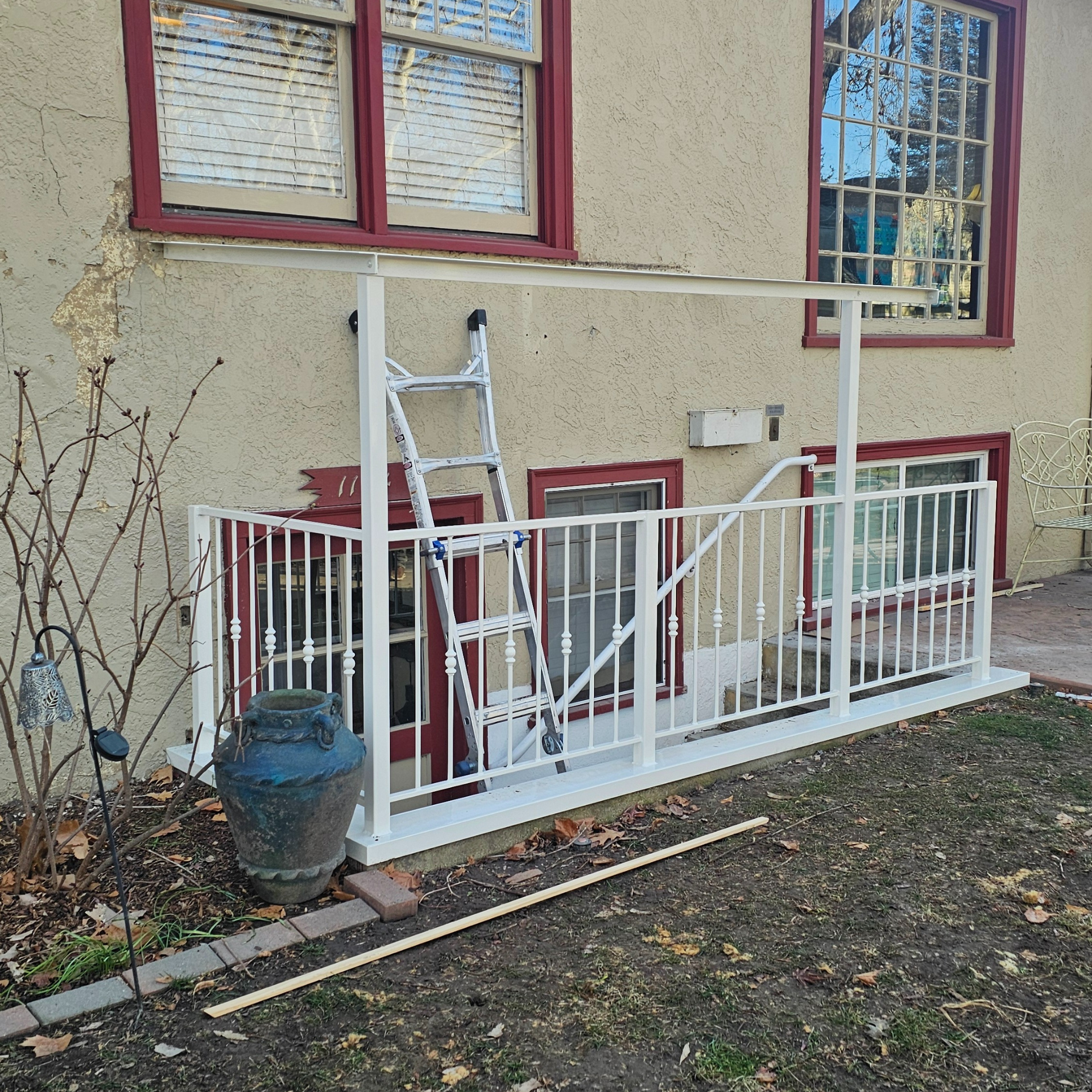
Railing transitions at landings and mid-returns are one of the most overlooked—but most critical—details in stair and guardrail design. Poorly executed transitions interrupt graspability, create safety hazards, and often fail inspections. At 83MetalCraft, we design and fabricate railing systems that flow continuously, meet code, and feel intuitive to the user—whether in residential homes or commercial spaces throughout the Treasure Valley.
Why Railing Transitions Matter More Than Most People Think
According to the International Building Code (IBC) and ADA Standards for Accessible Design, handrails must be continuous, return smoothly, and remain graspable through changes in direction . Transitions at landings are where most failures occur—often due to rushed design or inexperienced fabrication.
Core Principles of Railing Transitions
What is a railing transition at a landing?
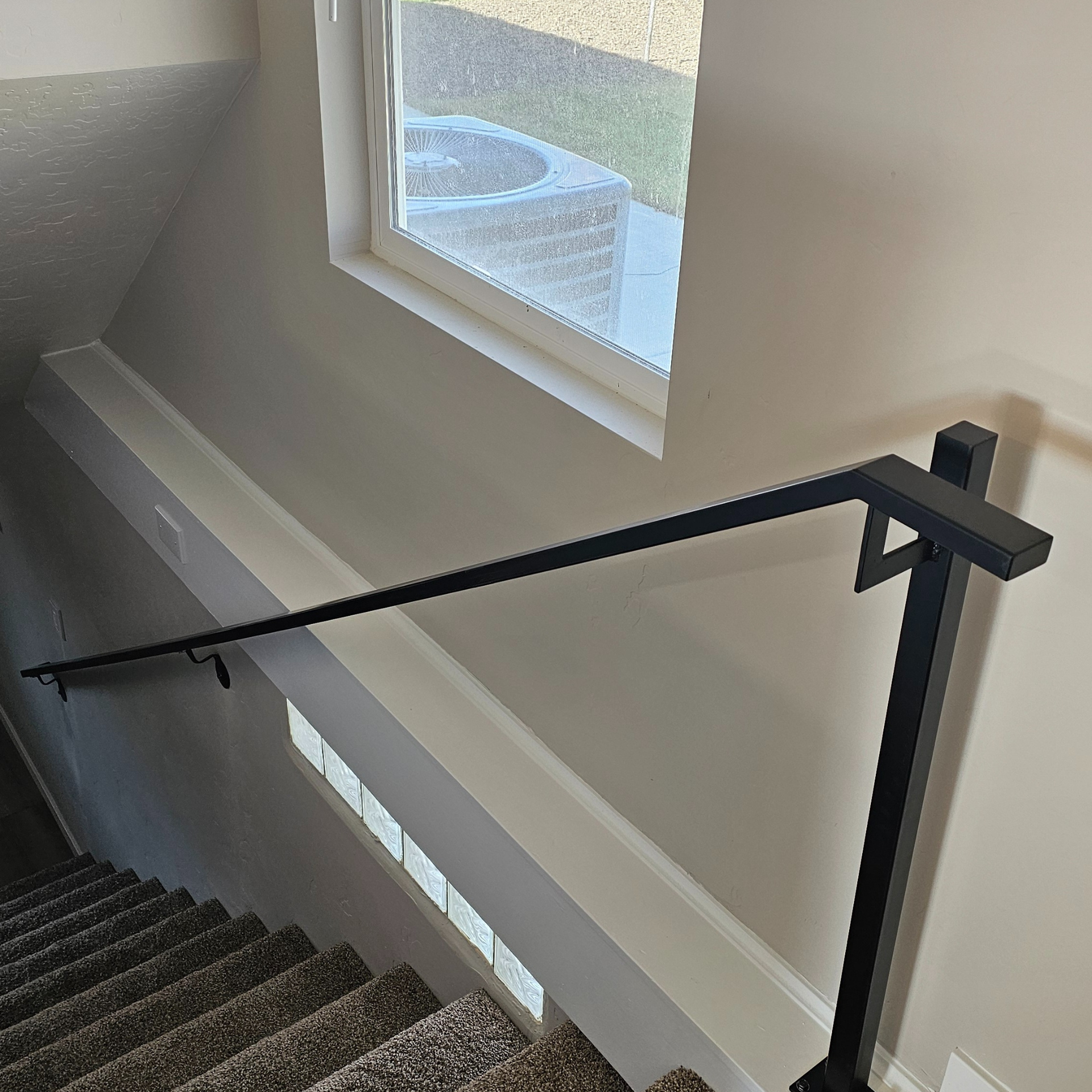
A landing transition connects two stair runs or redirects a handrail at a flat surface. In metal fabrication boise, this requires precise layout so the rail maintains height, clearance, and continuity without abrupt terminations.
Why continuity is required by code
Local boise metal fabrication professionals understand that codes require uninterrupted handrails to prevent falls. The IBC mandates smooth returns or extensions rather than dead ends .
How welding quality affects transitions
Clean joints from welding boise ensure transitions feel seamless in the hand. Poor weld blending creates snag points that violate ADA graspability rules.
Why certified welding matters
Experienced welding boise idaho specialists ensure structural integrity at directional changes, where stress loads are highest.
Fabrication, Design, and Material Considerations
Designing for real-world use
A properly designed metal railing boise system accounts for human movement, not just geometry. Transitions should follow natural walking paths.
Precision fabrication standards
Using quality metal fab practices ensures consistent radius bends and alignment at mid-returns.
Decorative yet functional solutions
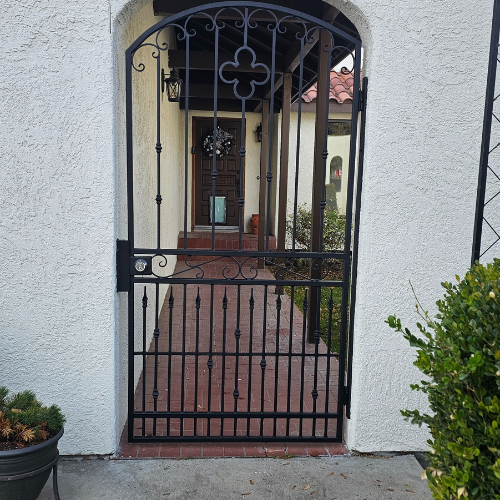
Through ornamental fabrication, transitions can be visually elegant while remaining code-compliant.
Architecture-driven layouts
Good metal and design integrates railing flow with stair geometry and lighting.
Stair-specific expertise
Professional steel stair fabricators understand how tread depth and rise affect handrail transitions.
Fabrication accuracy
High-quality metal railing fabrication ensures transitions maintain consistent diameter and elevation.
Choosing the right professionals
Experienced railing fabricators plan transitions before fabrication—not after installation.
Material sourcing
Using certified idaho steel ensures predictable bend behavior and finish quality.
Interior applications
An architecture stairway metal railing must transition without violating wall clearance rules.
Professional execution
At professional metal works, transitions are test-fit before finishing to ensure comfort.
Shop Capability & Local Advantage
Controlled environments
Professional metal working shops allow precise jigging for repeatable transitions.
Skilled labor
A dedicated metal worker shop ensures hand-finishing at every transition.
Regional knowledge
Understanding treasure valley metal sourcing helps maintain consistency across projects.
Custom-first approach
A custom metal fabrication shop like 83MetalCraft builds transitions to fit the stair—not the other way around.
Fabrication flexibility
A fully equipped metal workshop allows rapid refinement during mockups.
Why small shops excel
Small metal fabrication teams deliver higher craftsmanship and accountability.
Adaptive production
A professional metal working shop can accommodate complex mid-return geometry.
Hands-on quality
A small fabrication shop allows direct oversight from design to install.
Local accountability
Choosing a local metal shop means faster corrections and better inspections.
Traditional craftsmanship
A skilled metal work shop emphasizes finish quality at high-touch points.
Structural precision
Proper metal work fabrication ensures transitions resist movement over time.
Built for longevity
High-quality metal fabrication work prevents loosening at directional changes.
Tailored outcomes
Thoughtful custom metalwork ensures transitions feel natural and intuitive.
Pros & Cons of Proper Railing Transitions
Pros
- Improved safety and grip continuity
- Code compliance (IBC & ADA)
- Better user experience
- Higher property value
Cons
- Requires skilled fabrication
- More design planning
- Slightly higher upfront cost
Frequently Asked Questions
Are handrail transitions required by code?
Yes. IBC and ADA require continuous, graspable rails .
Can a handrail stop at a landing?
No. It must return or continue smoothly.
What is a mid-return?
A directional change that loops the rail safely back to a wall or post.
Do transitions affect inspections?
Yes—this is a common failure point.
Can existing rails be modified?
Often, depending on structure and material.
Are curved transitions better?
Yes, for comfort and compliance.
Does finish affect transitions?
Yes—smooth finishes improve graspability.
Are transitions required in homes?
Yes, especially where adopted codes apply.
Why use a custom fabricator?
Prefabricated rails rarely fit correctly.
Why choose 83MetalCraft?
Local expertise, code knowledge, and precision fabrication.
Ready to work with 83MetalCraft, LLC?
Let's connect! We’re here to help.
Send us a message and we’ll be in touch.
Or give us a call today at +1-208-948-2114
Agency Contact Form
More Marketing Tips, Tricks & Tools
Blog