How to Prepare Your Property for On-Site Metal Installation Day
Checklist and Best Practices to Ensure a Smooth, Safe, and Efficient Metal Installation — From Railings to Gates
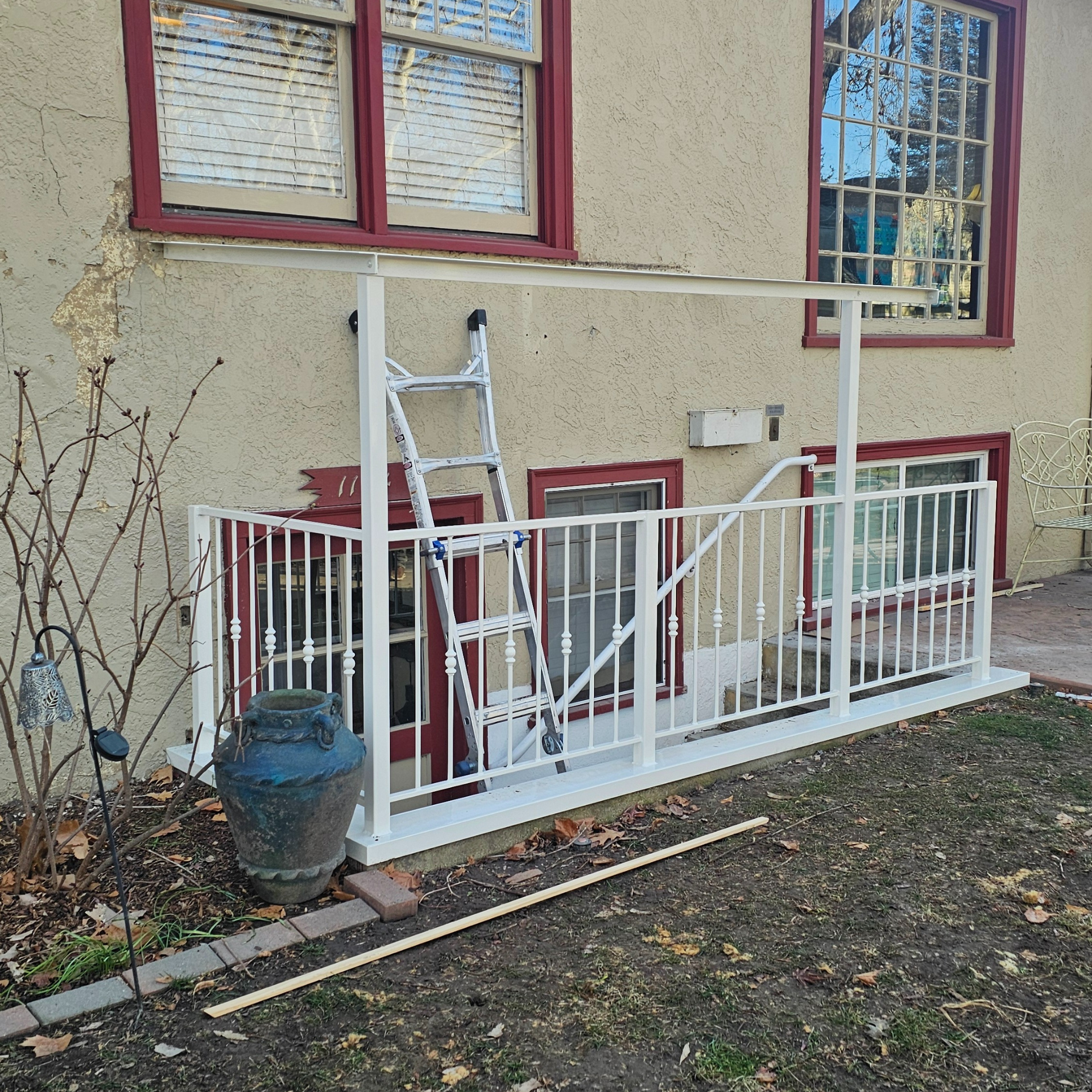
Preparing your property before on-site metal installation helps ensure a safer work environment, faster project completion, and better long-term outcomes. Whether you’re installing custom railings, precision cut gates, or architectural metal features, proper preparation reduces risks and minimizes costly delays. For projects in Boise and the surrounding Treasure Valley, 83MetalCraft brings decades of experience in metal fabrication Boise and field installation logistics to every job. This guide helps you anticipate challenges, coordinate with crews, and set your project up for success on install day.
Why Property Preparation Matters
Proper installation preparation is foundational to a successful metal project. When the site is ready, fabricators and installers can focus on precision assembly and secure attachment rather than improvised adjustments. According to construction best practices, job-site coordination and preinstall planning significantly reduce errors and rework by 30-50% in trades installations . When you’re ready before the crew arrives, you save time, money, and frustration.
Site Assessment and Access Planning
What site conditions should you evaluate before installation?
Before crews arrive, perform a complete visual inspection of your property to identify potential obstacles. Evaluate ground stability, slopes, proximity to landscaping, and ease of access for equipment. A clear path allows fabricators — including welding Boise crews — to bring tools, ladders, and material easily to the work area. Blockages such as garden structures, vehicles, or furniture can slow down installation and increase the risk of damage. Make sure power sources are accessible (if needed), and communicate any sensitive surfaces or finishes that require protection during install day.
How to manage difficult access points
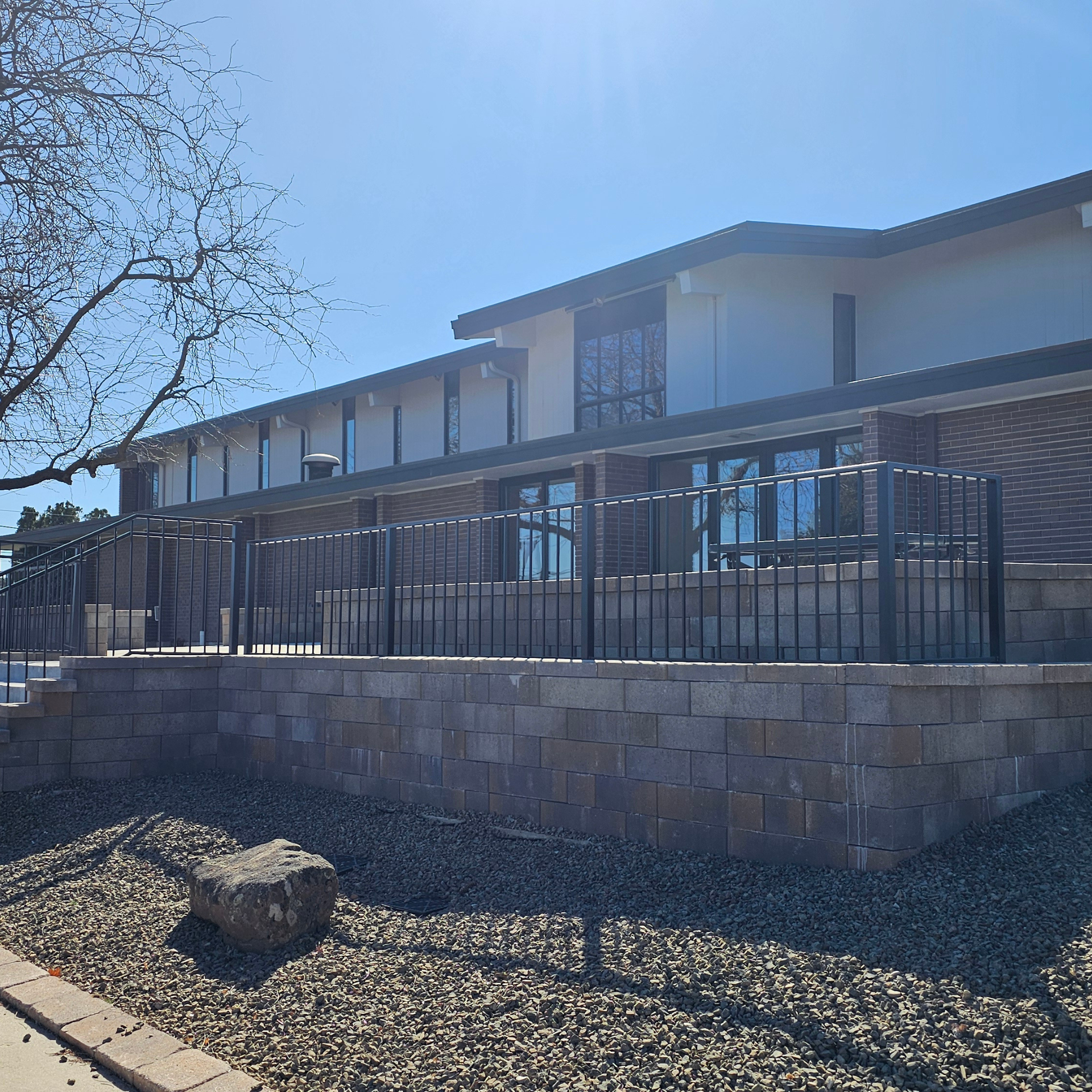
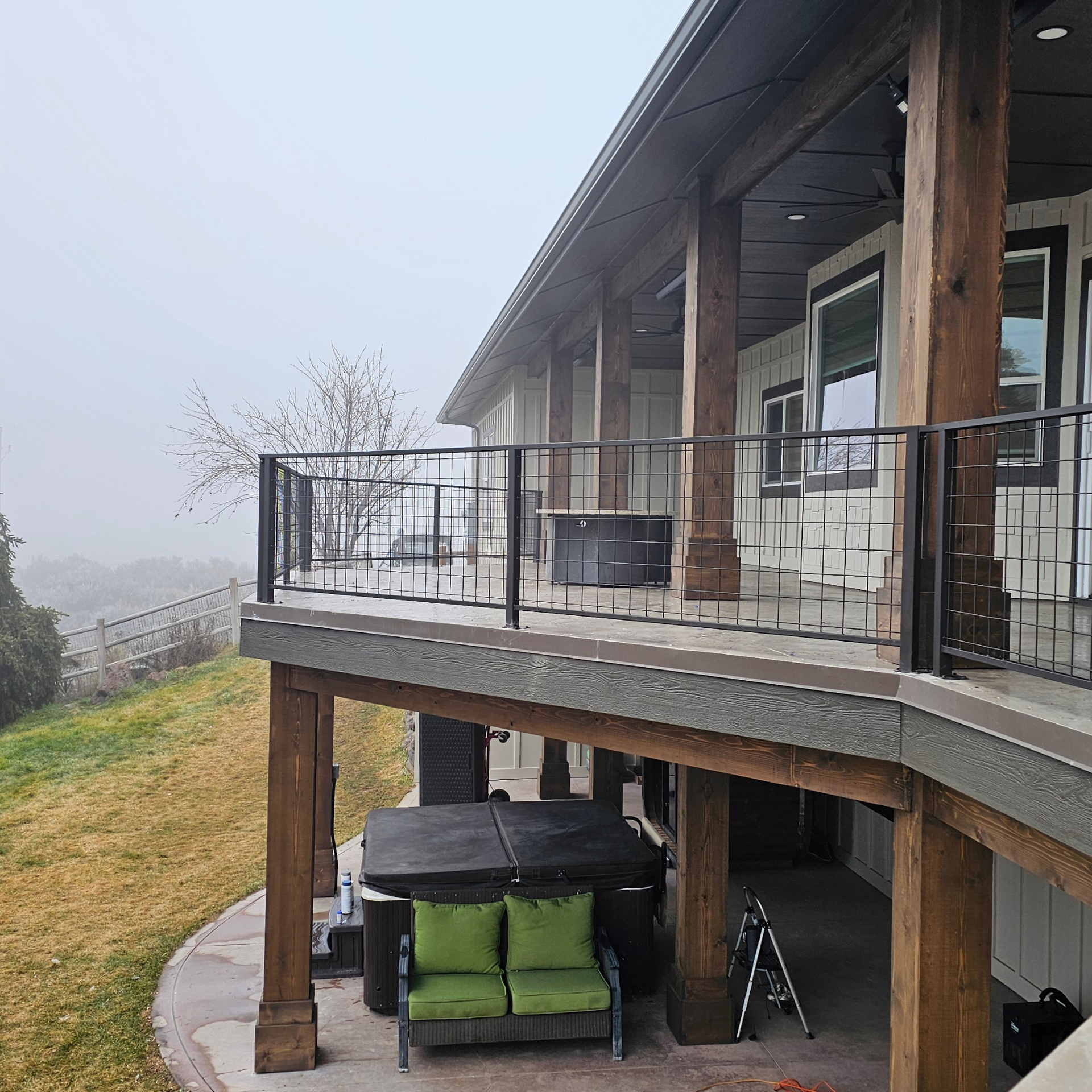
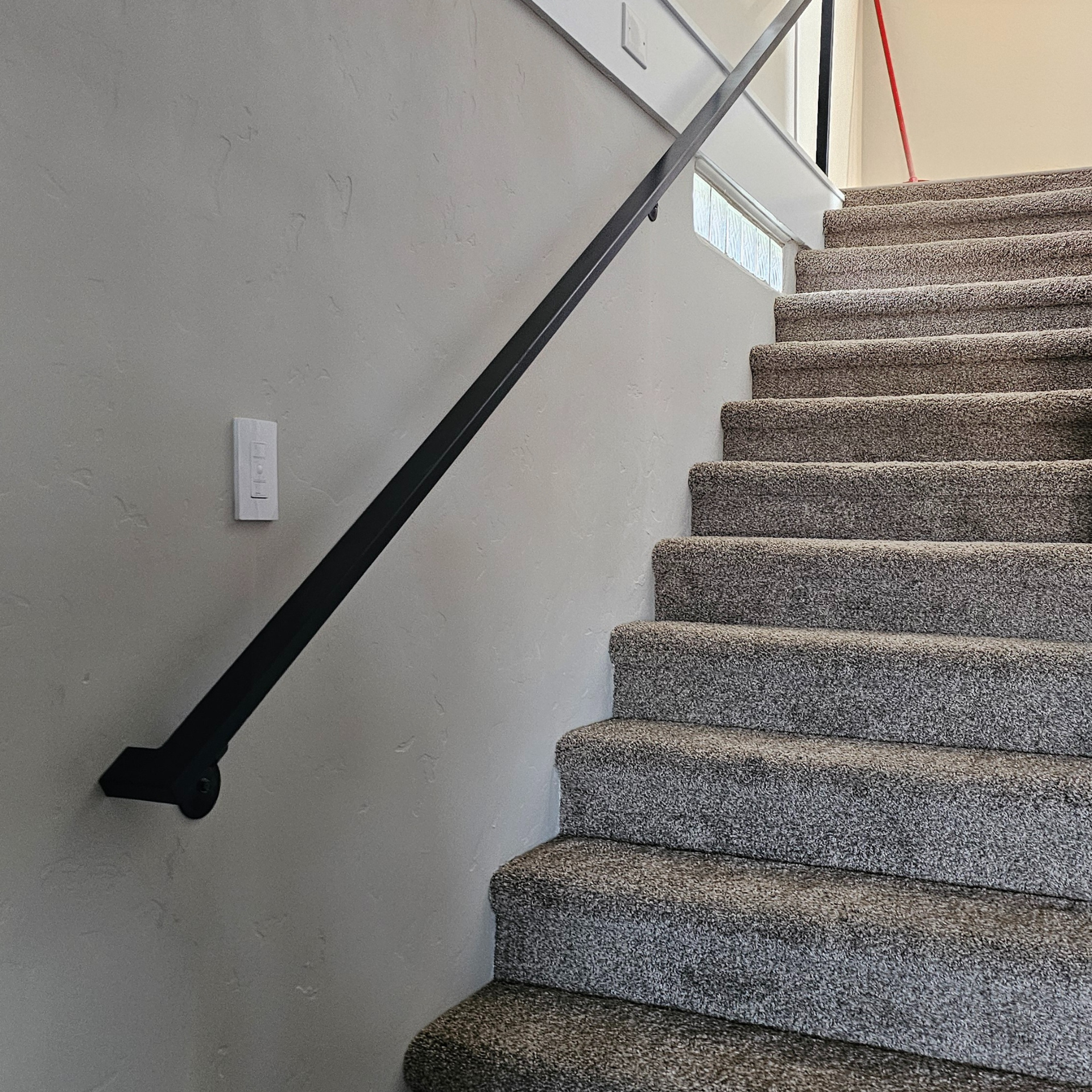
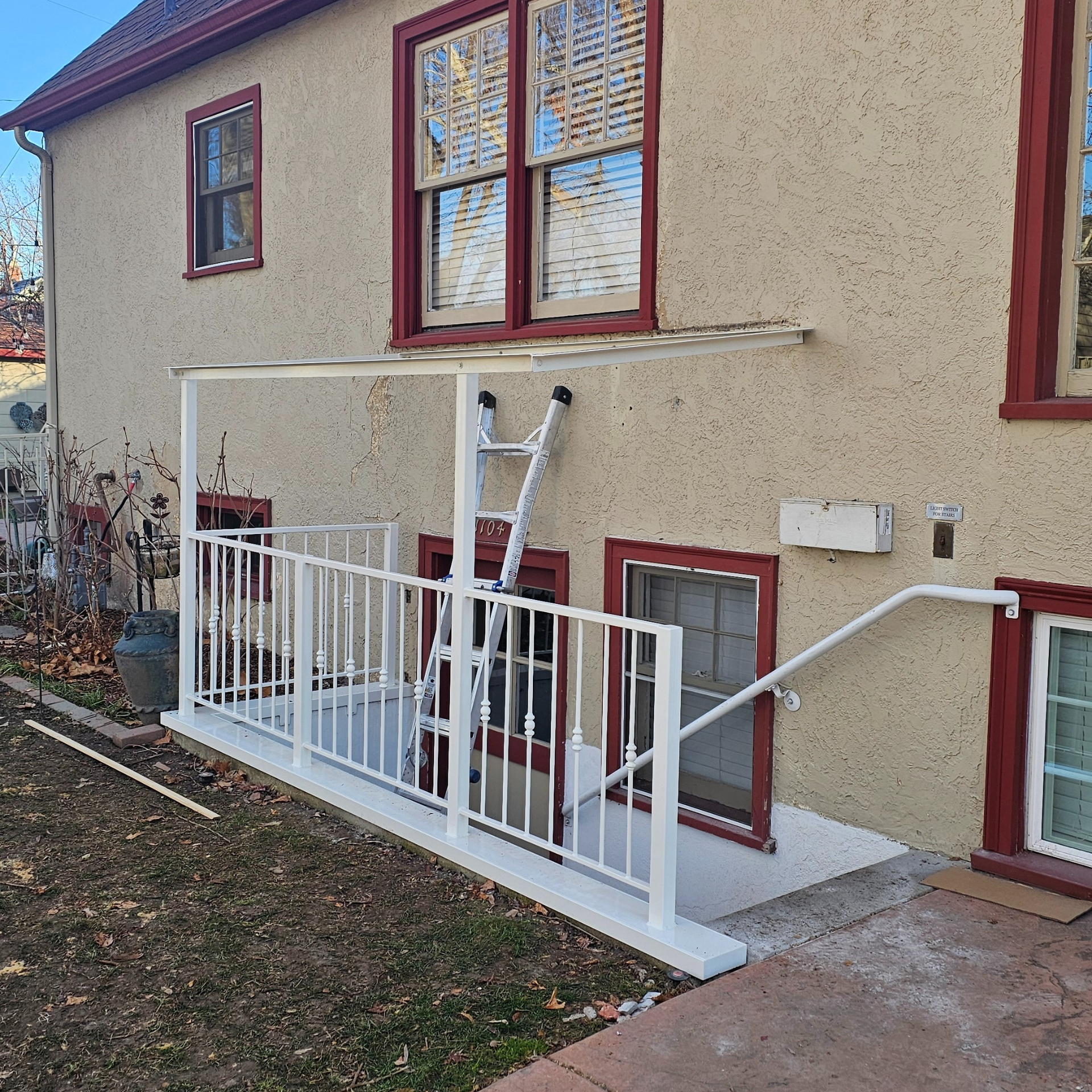
For sloped or tight access areas, plan ahead to provide clear boundaries and level working surfaces. For example, if installing metal railing Boise on a raised deck, consider placing protective board down or erecting temporary walkways so crews can safely move equipment without damaging outdoor finishes. Constant adjustments on install day can delay work and compromise the quality of quality metal fab execution.
Pre-Installation Site Preparations
Why clearing the work zone matters
Before installers arrive, clear the area of debris, furniture, plants, and anything that could obstruct work. According to professional site prep guides, a clutter-free work zone minimizes injury risk and helps traction for ladders or rolling equipment . Clear markings for where installations will occur — such as rail lines, mounting points, or gate hinges — enable experts in ornamental fabrication to execute precision alignments without guessing.
Protecting your property surfaces
Cover flooring, landscaped areas, walkways, and fixtures near the workspace. During metal and design projects like railing or gate installs, tools and heavy materials need safe staging areas. Protecting surfaces ensures soil, stone, or delicate finishes are not marred by minor mistakes or tool drops.
Elevating Safety and Compliance
Safety considerations for on-site installations
Install crews have to worry about heights, sharp edges, electrical tools, and fasteners. Ensuring pets and children are safely confined elsewhere on install day keeps everyone safer. OSHA safety articles note that proper preparation and delineated work zones reduce on-site injuries by creating predictable hazard avoidance .
Weather planning and site conditions
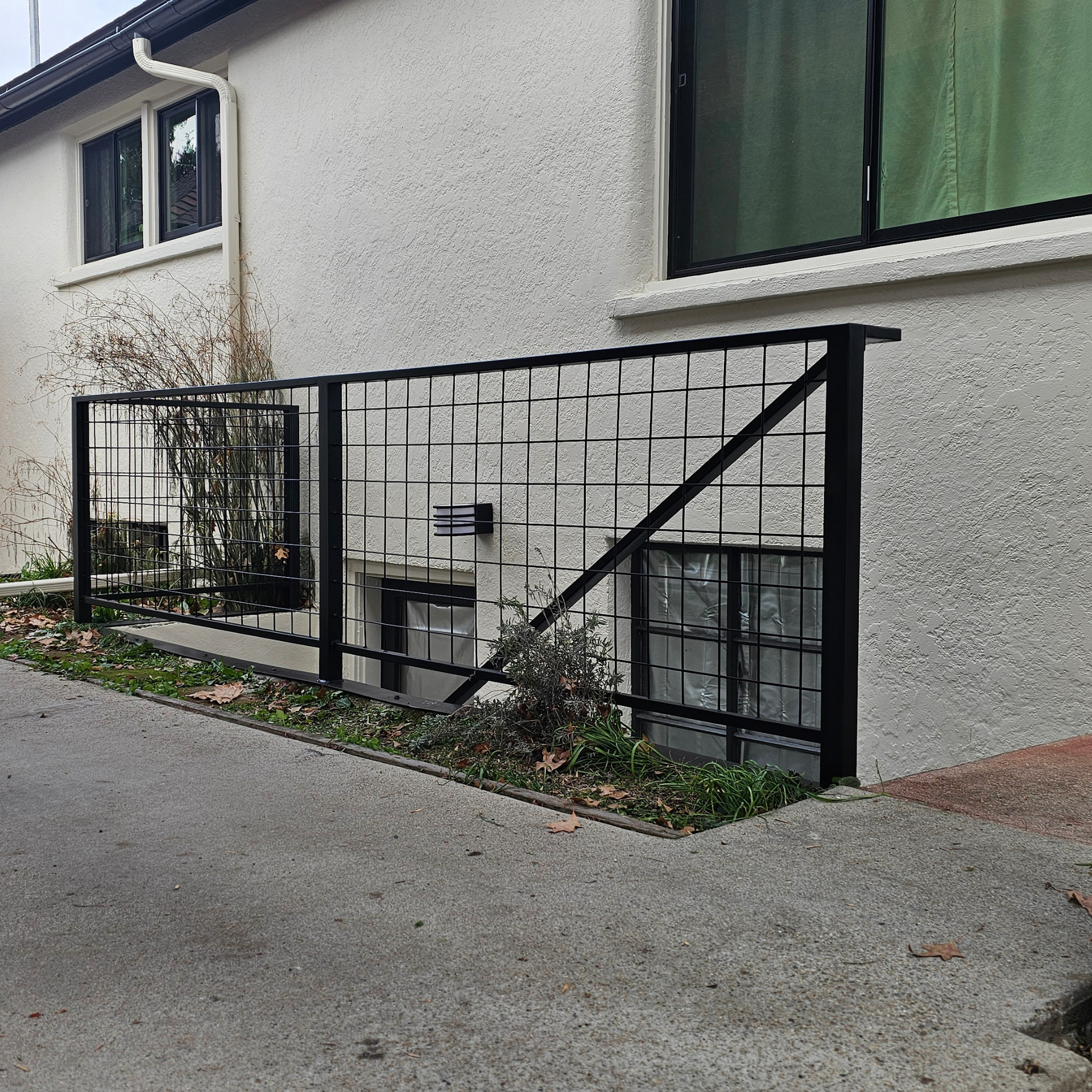
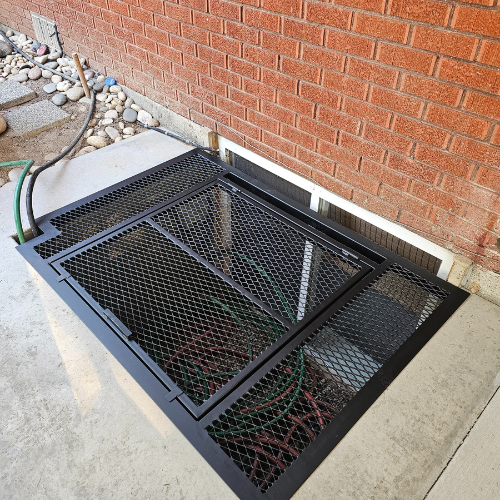
Outdoor metalwork—like window well covers or exterior railings—can be affected by rain or snow. Check weather reports and plan the install in favorable conditions to avoid last-minute rescheduling. Teams experienced in steel stair fabricators and outdoor metal installation workflows are better prepared when rain, heat, or cold is accounted for in planning.
Coordination With Installation Crews
Communicating expectations before install day
Good communication with your installation team goes a long way. Provide installers with drawings, product details, and access codes if needed. Confirm arrival times and expected duration. A clear understanding of scope and timeline ensures the crew can complete their metal fabrication work with fewer interruptions and higher satisfaction.
Marking structural and finished features
Installers rely on accurate field marking. You can help by marking stud locations, posts, anchors, or mounting points with chalk or tape. Clear marking helps railing fabricators and carpenters align each piece correctly on the first attempt, reducing field adjustments.
Equipment and Material Staging
Why material staging is vital
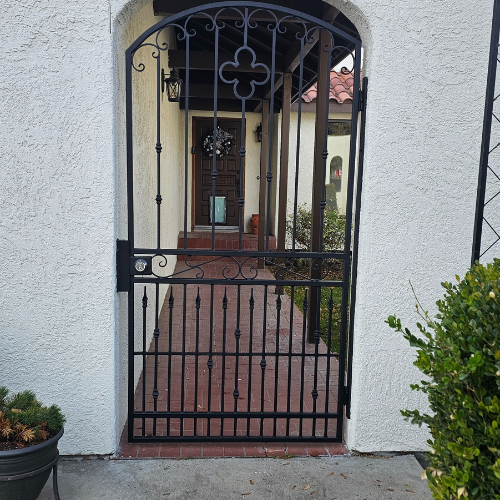
Staging areas near the install location save time and effort. Deliver fabrications like railings, gates, or cut pieces close to where they will be installed to avoid repeated hauling. When working with professional metal works crews, they can quickly organize materials for install without unnecessary pauses.
Providing convenient space for tools and waste
Designate space for power tools, spare fasteners, scrap disposal, and protective materials. Installers appreciate easy access to a secure staging area, and this reduces downtime related to misplaced tools or wasted motion.
Post-Installation Planning
Immediate inspection and cleanup expectations
After installation, walk the site with the team to confirm that railings, gates, or metalworks are secure, aligned, and performing correctly. Minor adjustments on the same day prevent the need for return visits. You can also coordinate a quick cleanup or debris removal before the crew leaves.
Final quality assurance check
Before final acceptance, check for smoothness of operation (for gates), level alignment (for railings), and secure fasteners. High-quality install aligns with metal fabrication Boise standards and ensures a long service life.
Craft & Material Expertise
Choosing a local custom metal fabrication shop with trusted metal working shops and experienced metal worker shop teams ensures that pre-installation preparation, material quality, and field adjustments happen with precision. A metal workshop with deep understanding of welding, finishing, and material behavior—for example, when working with Idaho steel—will help you anticipate site needs more effectively. Small metal fabrication and small fabrication shop teams often provide agility and personal attention that phased installation success relies on.
Professional Execution & Design Integration
When you partner with a local metal shop or seasoned metal work shop, you get the benefit of input on ideal anchor points, protective measures, and site logistics. Skilled metal work fabrication crews can advise on staging areas and site access. Their experience with custom metalwork, from ornamental railings to functional gates, ensures your install day is efficient, safe, and aligned with expectations, which contributes directly to homeowner satisfaction and long-term durability.
Pros and Cons of Preparing Your Property
Pros:
✔ Smooth, efficient install day
✔ Fewer delays and surprises
✔ Safer conditions for crews and occupants
✔ Higher quality results with fewer callbacks
Cons:
✘ Upfront time investment required
✘ Requires coordination and upfront communication
✘ Minor disruption to normal property use before installation
FAQ — Preparing for On-Site Metal Installation
Why should I prepare my property before installation?
Preparing ahead reduces hazards, speeds installation, and results in a better-aligned final product. Clear sites prevent installers from improvising, which can lead to mistakes or damage.
What should I clear before the crew arrives?
Remove furniture, landscaping obstacles, vehicles, pets, and temporary structures near the work area.
Do installers need access to electricity?
Often, yes—power tools require stable, grounded outlets. Confirm in advance whether power will be used and ensure extension cords or outlets are accessible.
What if my yard slope is uneven?
Level ground helps installers work safely. Temporary boards or gravel paths can improve footing for equipment and personnel.
Should I mark installation points beforehand?
Yes—clear markings help reduce guesswork and align mounts with framing correctly.
What weather should I watch for?
Rain, snow, or high winds can delay outdoor installs. Planning allows you to reschedule if conditions aren’t safe.
How is waste handled on install day?
Discuss debris and waste removal with your installer ahead of time—most crews will include cleanup or can recommend disposal strategies.
Are pets and children a concern?
Yes. Keeping pets and children away from work zones enhances safety and helps installers focus.
What if something doesn’t fit?
A prepared site lets installers make small adjustments without delay. Always have contact info for the fabrication shop ready.
How long does install day usually take?
Depending on complexity, most metal installs finish in a single day when the property is prepared appropriately.
Ready to work with 83MetalCraft, LLC?
Let's connect! We’re here to help.
Send us a message and we’ll be in touch.
Or give us a call today at +1-208-948-2114
Agency Contact Form
More Marketing Tips, Tricks & Tools
Blog