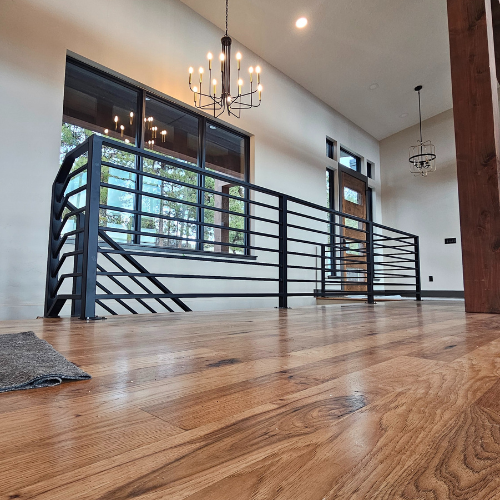
Railing Choices for Historic Homes in Boise’s North End — Subtlety and Matching
How to Select Railings That Respect History, Meet Code, and Enhance Architectural Character
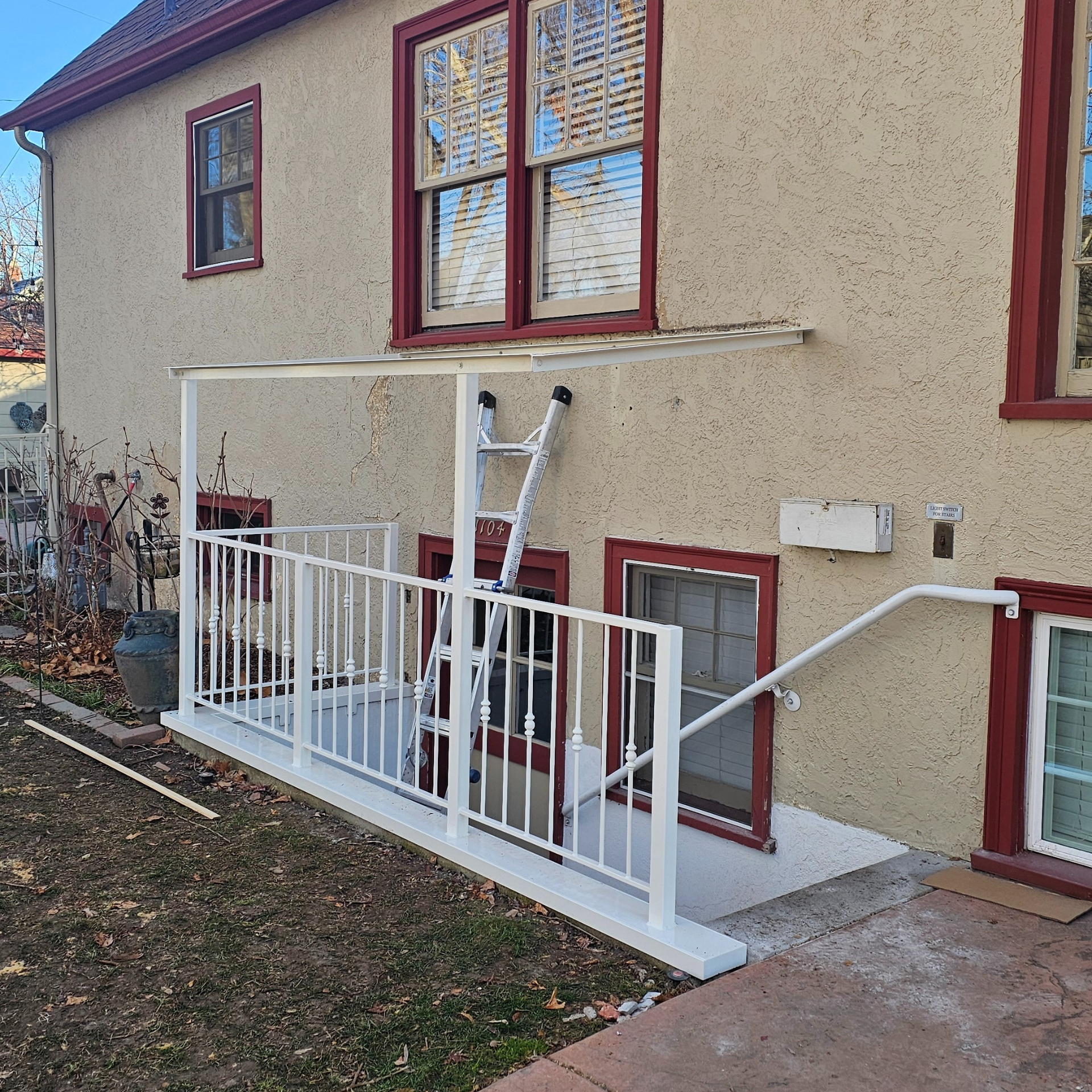
Homes in Boise’s historic North End feature rich architectural heritage — from Queen Anne and Colonial Revival to Craftsman bungalows and early 1900s designs. When updating or adding railings on these properties, it’s essential to choose styles that honor the home’s history while ensuring safety and modern performance. For decades, 83MetalCraft has partnered with homeowners and preservationists to deliver thoughtful, context-sensitive rail and metalwork solutions in the Treasure Valley and other areas. This guide helps explain how to make railing choices that feel authentic, compatible, and beautiful.
Understanding Historic Context and Railings
Before selecting a rail design, it’s important to understand what makes a home historic. Many structures in the North End are listed or eligible for the National Register of Historic Places due to their age, architectural character, and historic significance — qualities that influence design decisions for exterior elements like porches, balconies, and stairs . Railings are not merely functional; they also contribute to architectural identity. Thoughtful choices help preserve period character while providing safe circulation and compliance with modern standards.
What Makes a Railing ‘Historic-Appropriate’?
Matching Materials, Style, and Scale
Historic preservation guidelines emphasize that new railings should be compatible with the original design of the house. Railings should use materials and profiles that complement the surrounding elements rather than dominate them. For example, simple iron or steel balusters that echo the rhythm and proportions of original porch columns or trim work often read as a natural extension of the architecture. Preservation design standards suggest using compatible materials like wood or historically appropriate metals and avoiding materials that look out of place or artificial on historic facades .
Integrating Modern Safety Without Overpowering Design
Historic homes were built long before modern building codes existed, and many original porch railings do not meet today’s height and load requirements. According to national preservation standards, when an updated railing is needed for safety, it should be designed to reflect the original style without overshadowing it. For instance, slender vertical pickets or ornamental scrollwork can be used to provide adequate guard performance while remaining understated and tasteful. This approach works especially well when the railing incorporates subtle turns and proportions that respect the feet and eye lines of the original design, rather than imposing something that visually “screams” ‘new’ and detracts from the house’s historical narrative.
Railing Options That Work on North End Historic Homes
Traditional Iron, Steel, and Wrought Profiles
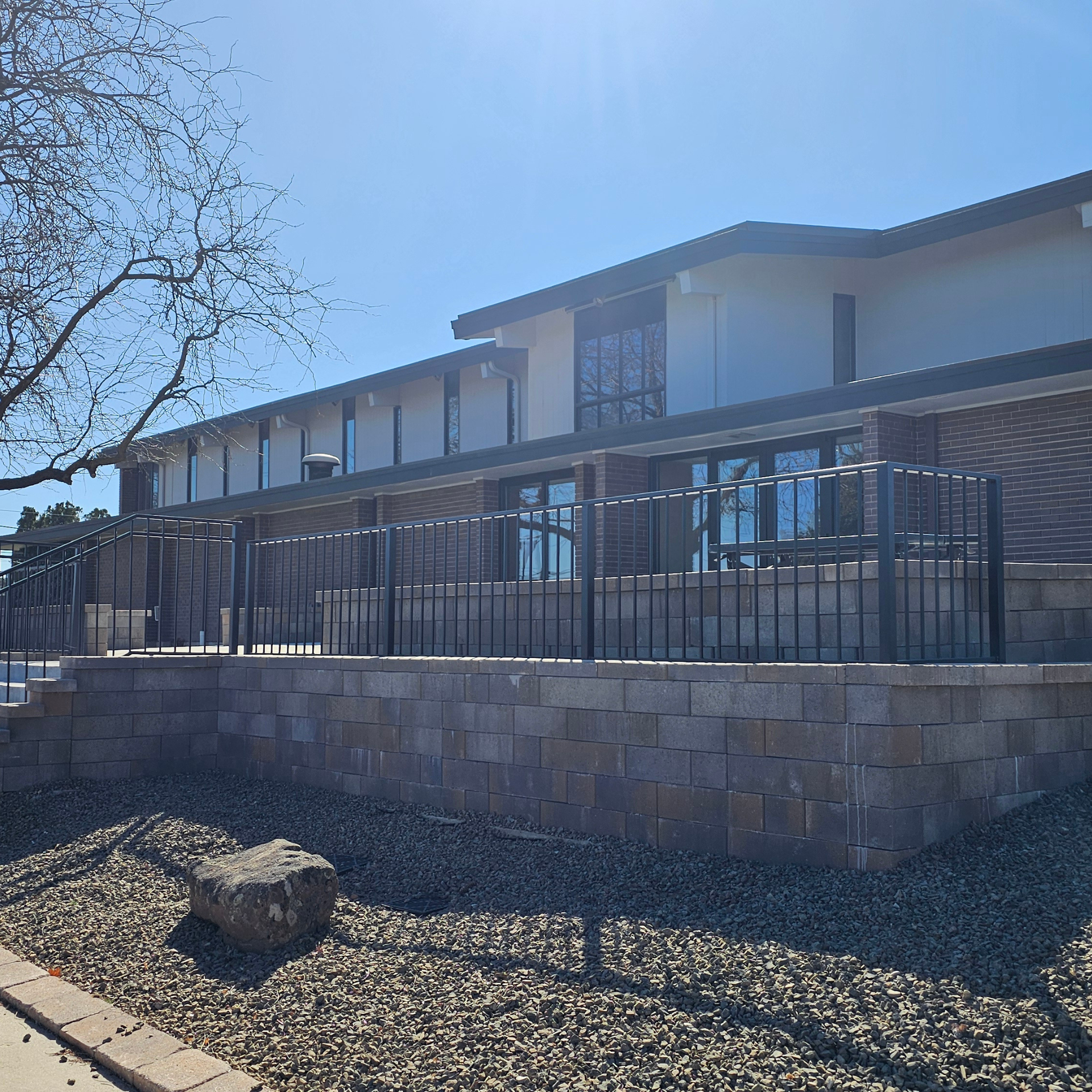
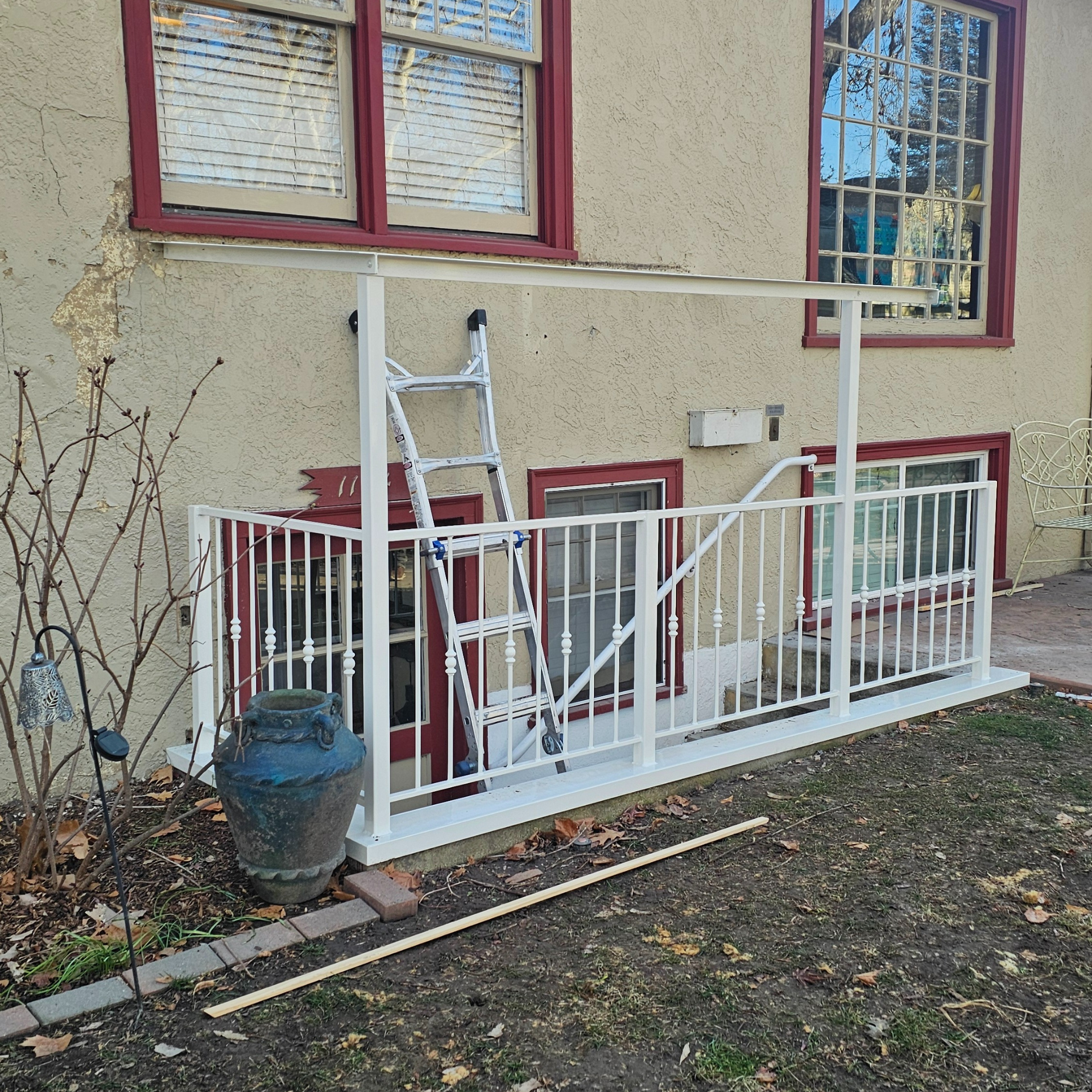
Classic thin-section iron or steel railings with vertical balusters or simple geometric patterns are often excellent for historic home exteriors. These profiles tend to read as traditional and are unobtrusive, yet strong and durable. Many preservation commissions (including those that consulted design standards in other historic communities) explicitly recommend this type of simple railing to blend with original features and avoid contemporary “heavy” profiles that overwhelm historic detailing.
Custom Ornamental Designs That Respect Period Styles
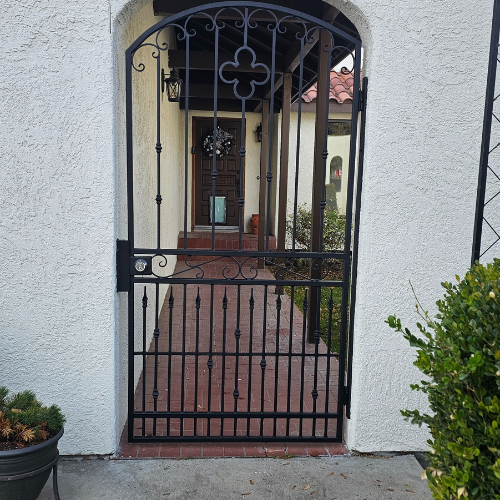
While overly ornate pieces may feel modern, custom ornamental fabrication can be designed with restraint to echo historic motifs such as spindle patterns, baluster spacing, or gentle curvature that references the original architectural style. A subtle scroll or nod to a home’s decorative trim can harmonize new railings with existing cornice lines, porch detailing, or fenestration patterns — preserving visual integrity.
Balancing Safety and Historic Integrity
Meeting Modern Codes Without Sacrificing Style
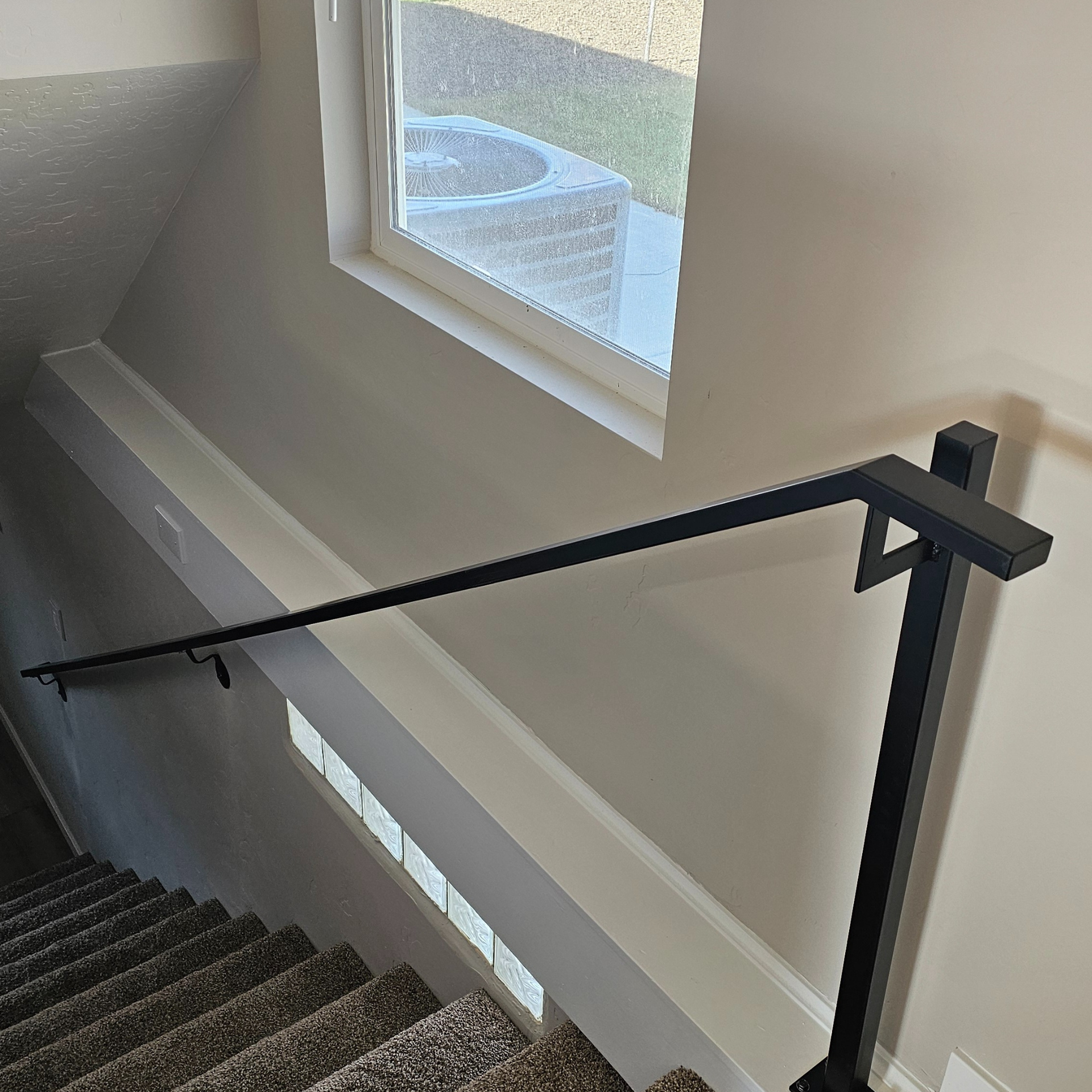
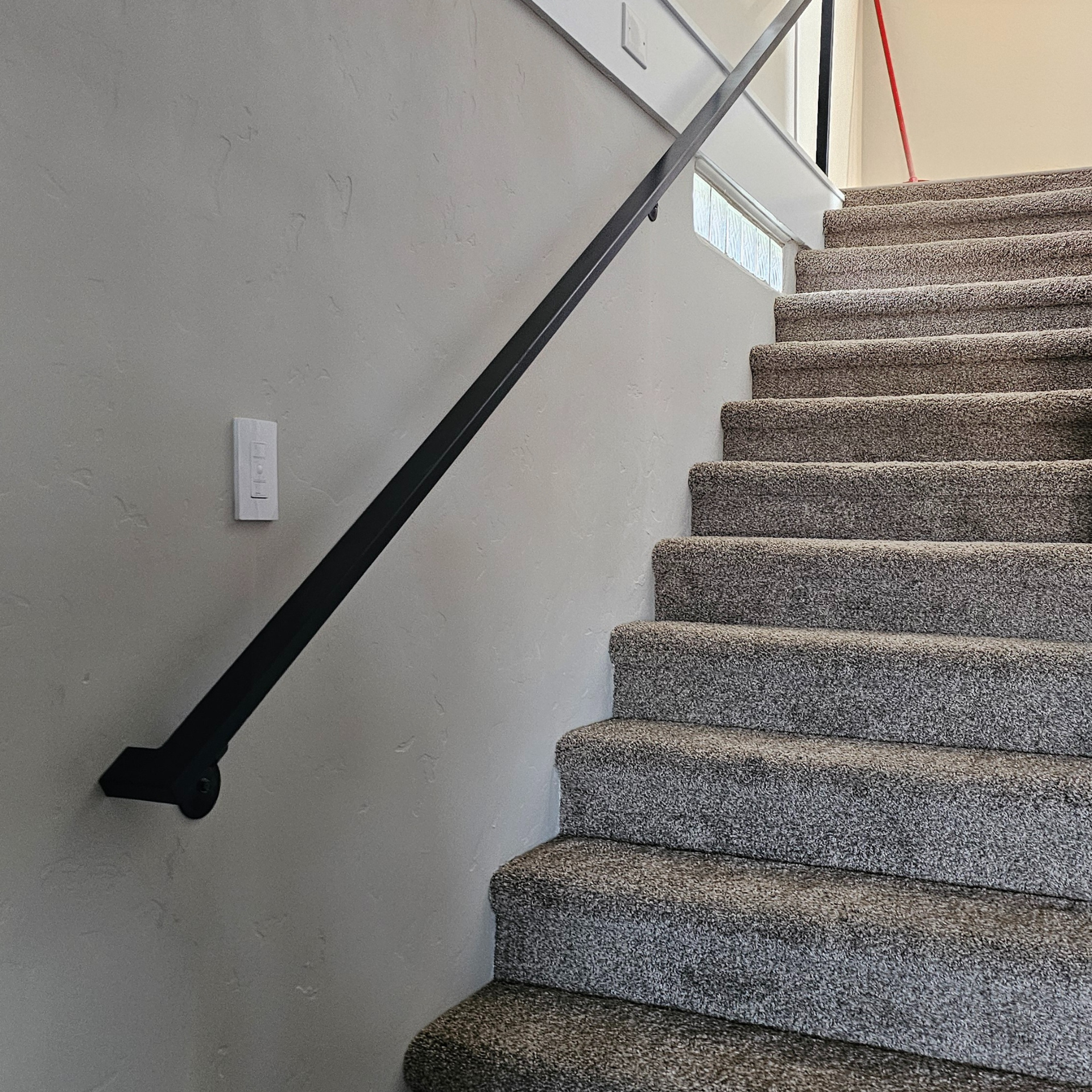
Updating railings on a historic home often requires reconciling historic aesthetics with modern building codes. Guardrails and handrails are now governed by specific building standards, which include height, load capacity, and continuity requirements for fall safety. When updating, it’s strategic to retain the original rail where possible and add a secondary unobtrusive rail above it that satisfies building standards — a tactic historic preservation commissions sometimes support as long as the new elements are reversible and compatible with the original structure .
Local Fabrication and Heritage Preservation Expertise
Craftsmanship Matters in Historic Contexts
Working with a custom metal fabrication shop ensures that railings can be tailored to the exact design intent of historic homes. Skilled metal fabrication work from experienced metal workshop teams helps deliver rail profiles and detailing that echo original lines while meeting structural needs. Such craftsmanship is especially valuable when integrating subtle ornamental features or scaling traditional designs for modern use.
Material Sourcing and Workmanship
Choosing Idaho steel or other high-quality metals ensures durability and corrosion resistance, which is particularly important for exterior railings in Boise’s climate. A reliable local metal shop offers hands-on collaboration, allowing homeowners and fabricators to refine design sketches into contextual rail systems that match the period style. Metal work fabrication services also consider proportional relationships between rails, porch columns, and stairs — critical when dealing with historic geometry.
Pros and Cons of Updating Railings on Historic Homes
Pros
- Enhances home safety without compromising character
- Can increase property value and curb appeal
- Custom designs can honor original architecture
- Durable metals reduce long-term maintenance
Cons
- Requires thoughtful design to avoid stylistic conflict
- Might need historic district approvals before installation
- Custom work can be more expensive than standard railings
FAQ — Historic Home Railings in Boise’s North End
Do I need approval for new railings on a historic home?
In Boise’s North End, significant exterior changes often require a Certificate of Appropriateness from local historic preservation authorities before installation. Not securing approval can lead to fines and orders to remove unauthorized changes.
Can metal railings be used on historic homes?
Yes; appropriately designed metal railings — especially iron or steel profiles that match original styles — are frequently approved for historic homes. Preservation guidelines recommend materials that are compatible with the structure’s original materials.
What style of railings works best for Queen Anne homes?
Railings that reflect vertical rhythm, thin balusters, and visually lighter profiles tend to blend well with Queen Anne details without overshadowing complex turret or porch ornamentation.
Do modern building codes affect historic railing installation?
Yes, safety codes specify guard heights and load requirements. Preservation commissions sometimes allow compatible secondary railing elements to meet these requirements while keeping the historic look intact.
Should I replicate original railings exactly?
Where historic documentation exists, exact replication preserves authenticity. If original railings are missing or beyond repair, matching the style and proportions is recommended.
Can ornamental metalwork be subtle?
Absolutely. Good ornamental design can be restrained, echoing period motifs without overpowering historic architectural rhythms.
Are wrought iron details historically accurate?
Yes, especially on late-19th and early-20th century homes, wrought iron or close-looking steel elements were commonly used and can be appropriate if designed carefully.
How do I maintain historic railings?
Regular inspection, cleaning, and repainting prevent corrosion. For metal railings, proper coatings reduce rust and preserve appearance.
Can porch railings be replaced with modern alternatives?
Modern materials may conflict with historic aesthetics. Guidelines often discourage starkly different materials in visible areas.
Why choose custom rail solutions for historic homes?
Custom rail designs allow precise adaptation to unique porch lines, stair angles, and detailing, ensuring compatibility with historic proportions and architectural style.
Ready to work with 83MetalCraft, LLC?
Let's connect! We’re here to help.
Send us a message and we’ll be in touch.
Or give us a call today at +1-208-948-2114
Agency Contact Form
More Marketing Tips, Tricks & Tools
Blog