How to Design Railing Terminations That Conceal End Cuts and Welds
Professional Techniques for Seamless, Durable, and Visually Cohesive Railing End Details
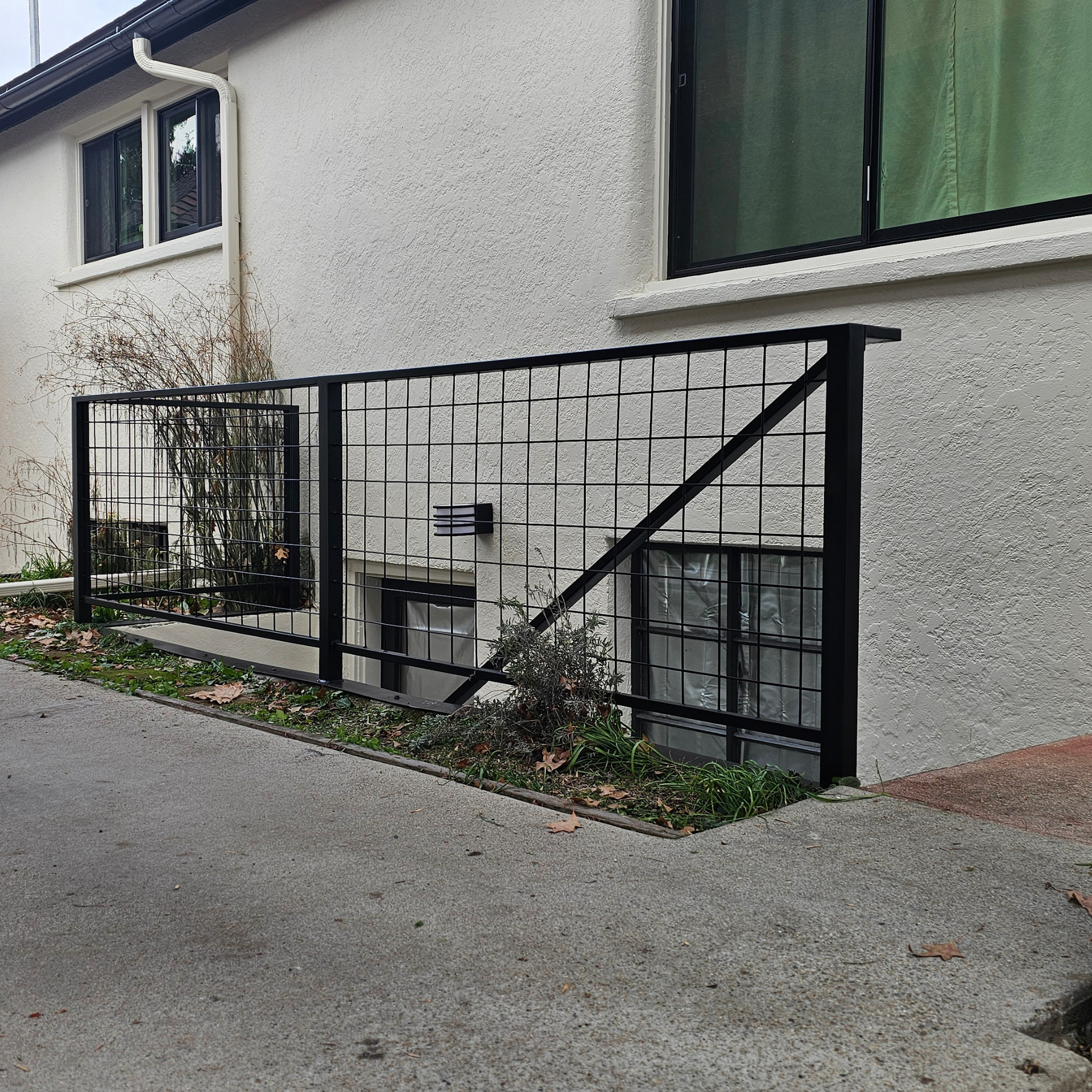
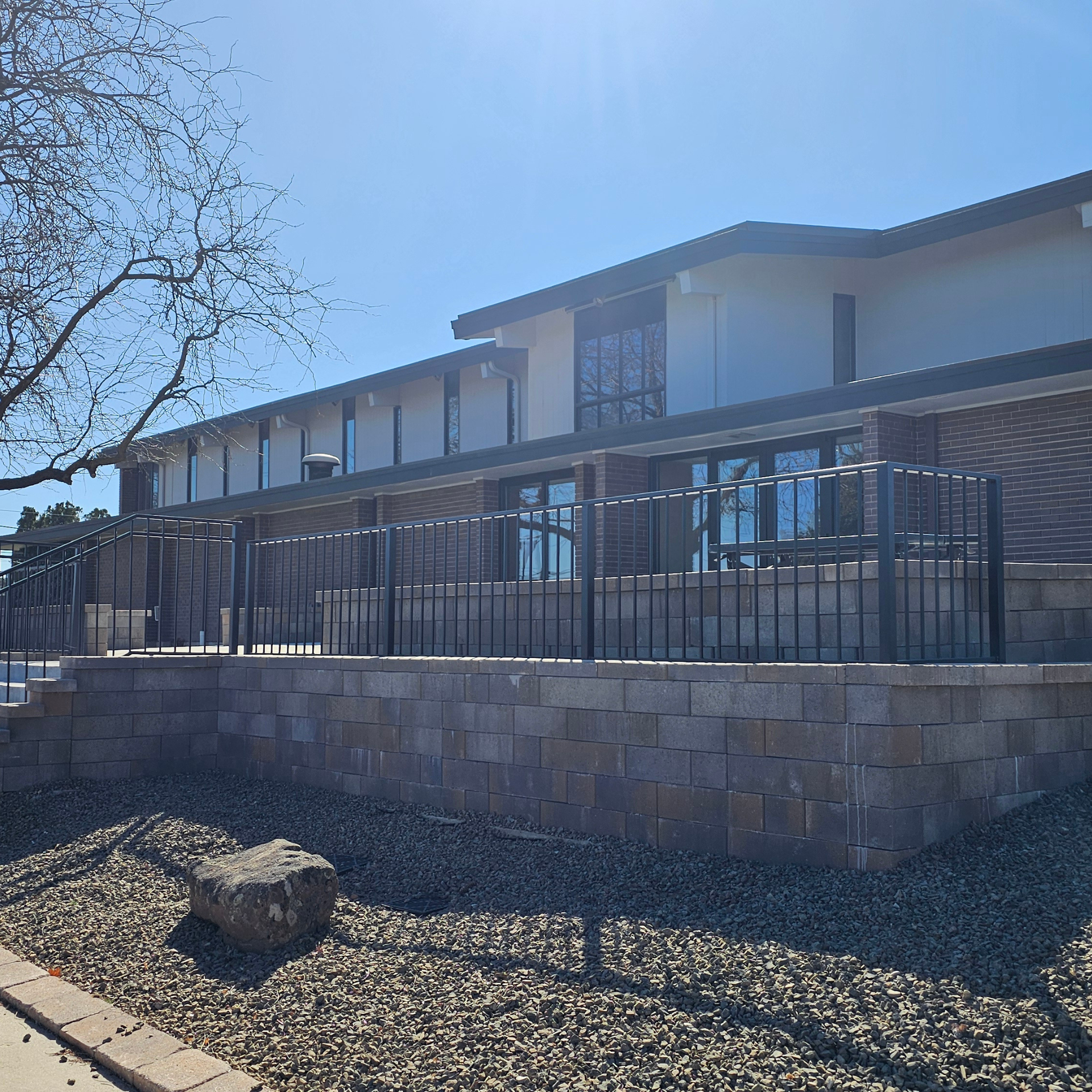
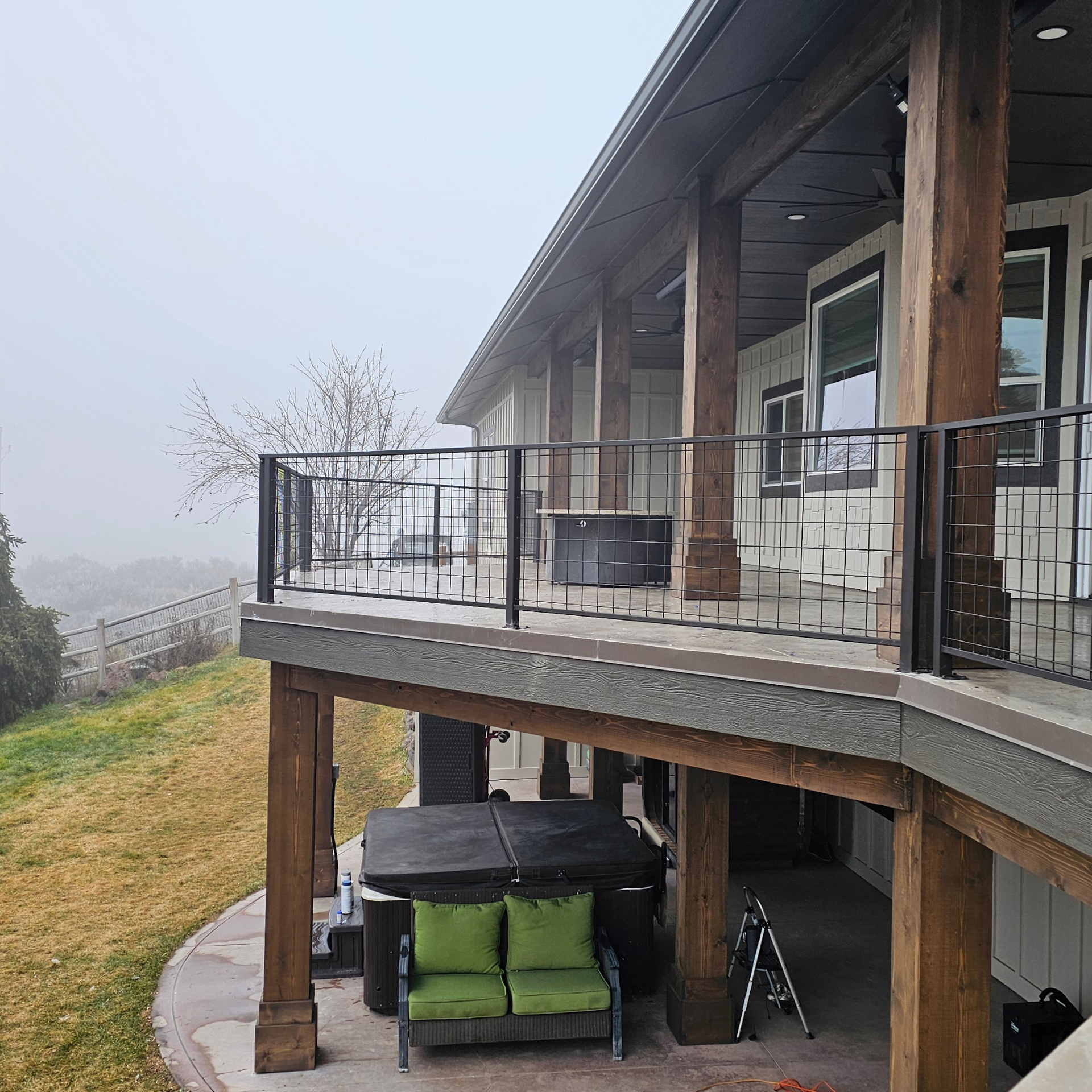
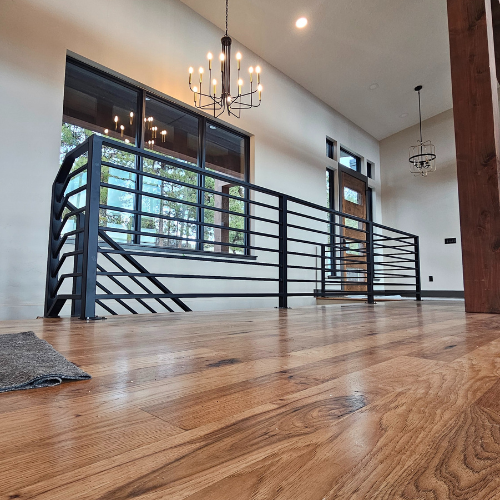
Properly executed railing terminations are essential in any quality rail system—whether on stairs, balconies, porches, or deck edges. Concealing end cuts and welds not only improves aesthetics but also enhances safety, corrosion resistance, and long-term durability. At 83MetalCraft, we specialize in turning fabrication precision and structural integrity into refined design details that elevate the finished product. This guide explores how top rail designers approach termination detail, why it matters, and how you can use modern fabrication techniques to achieve polished results in both residential and commercial applications.
Why Attention to Termination Details Matters
Railing terminations — where the rail ends, changes direction, or meets a structural element — are often the most visible part of a metal railing system. These spots are also where poor fabrication can most easily show, whether through exposed welds, sharp cut edges, or inconsistent joins. According to architectural metalwork standards, well-executed terminations contribute significantly to both functional performance and visual continuity in railing design . Concealing welds and cuts improves appearance, minimizes corrosion points, and enhances user experience, especially in high-touch areas like handrails and balustrades.
What Are Railing Terminations and Why Conceal Them?
What is a railing termination and what makes it problematic if not handled properly?
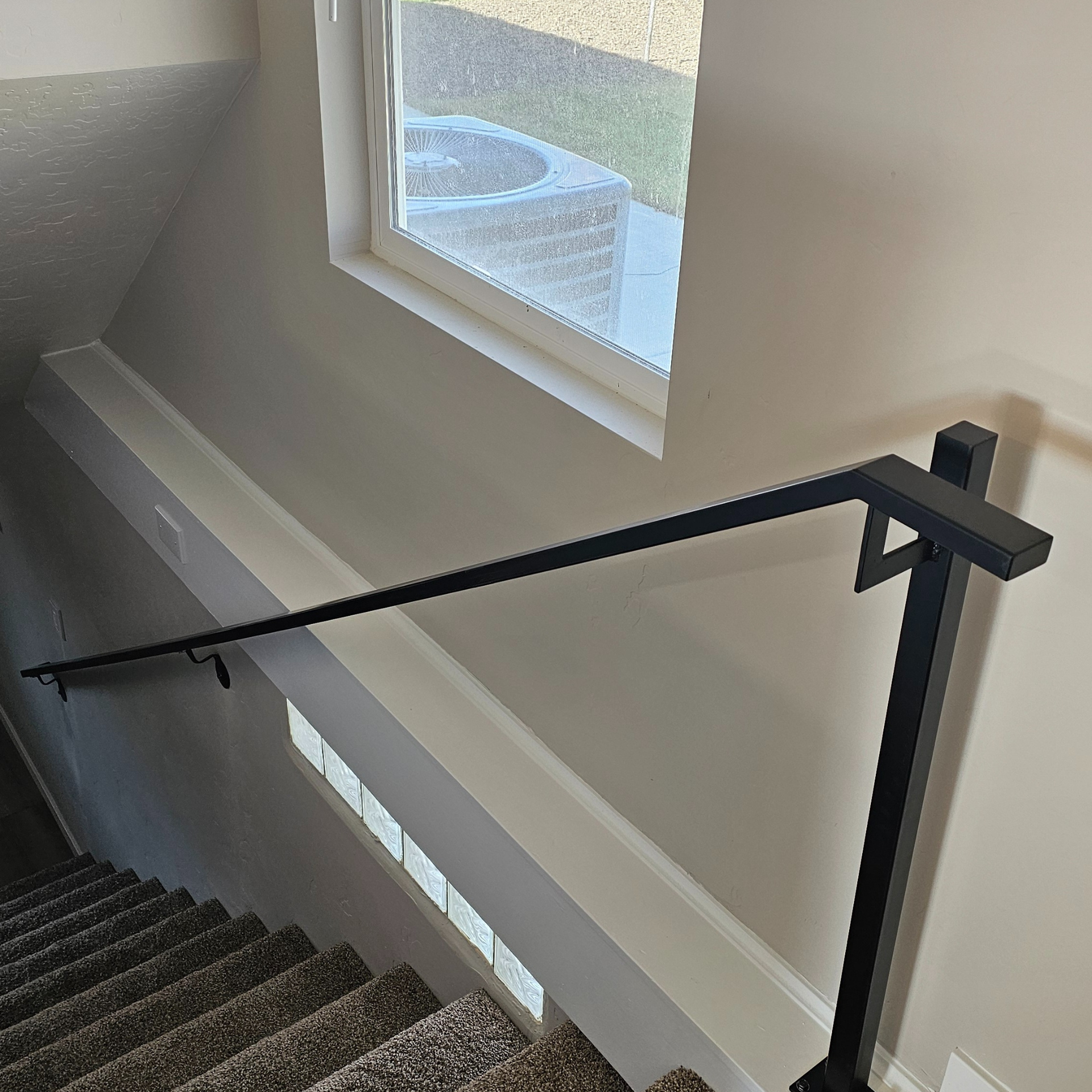
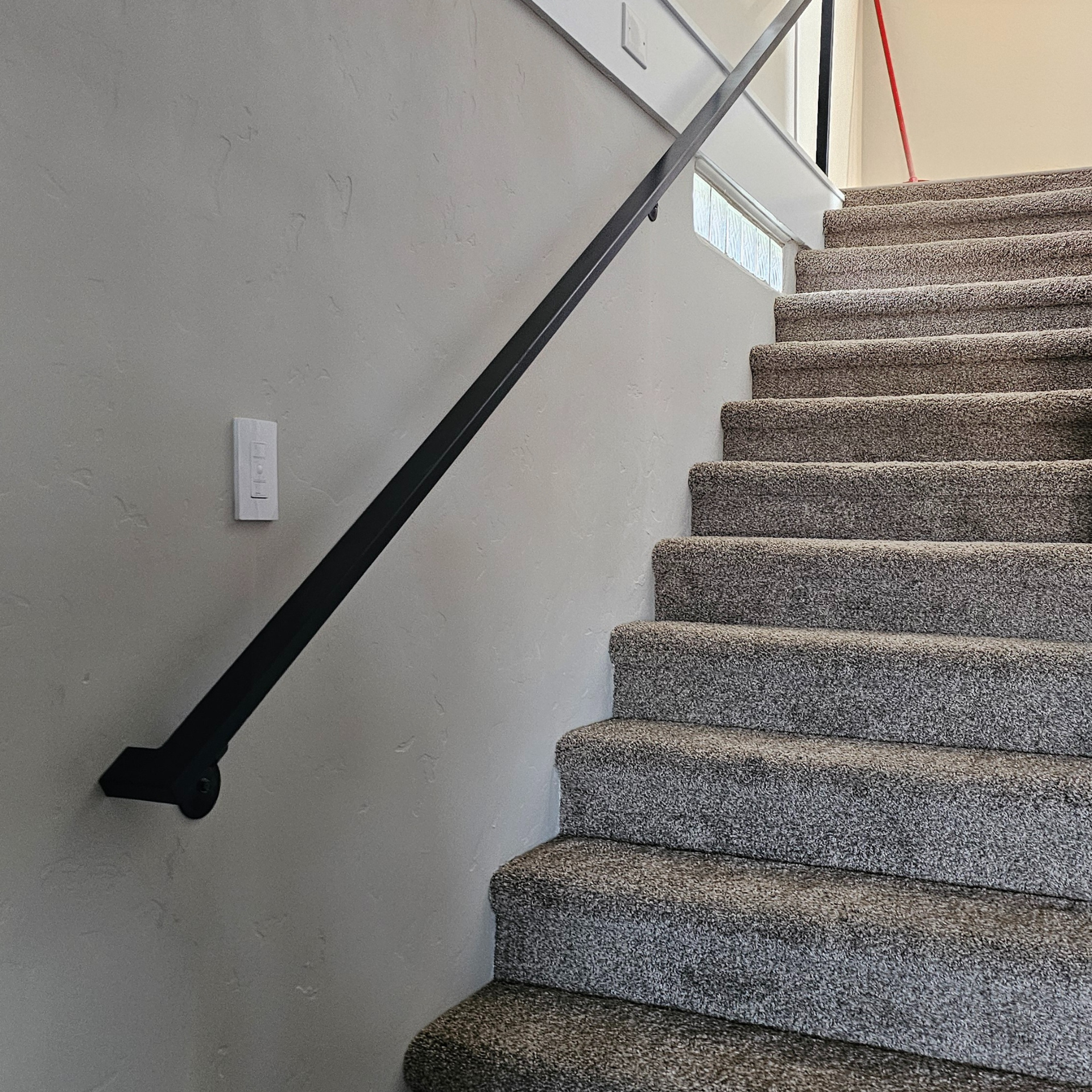
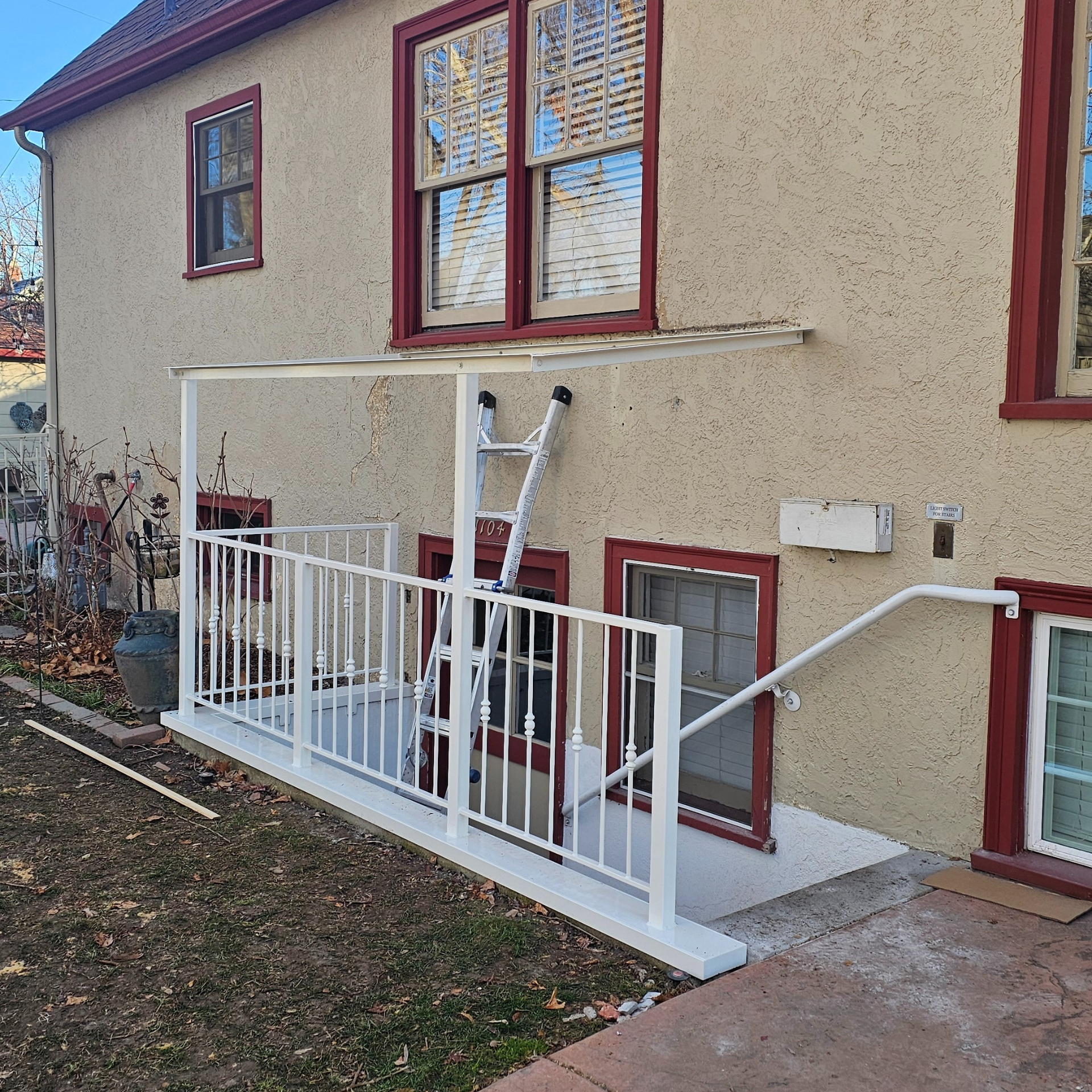
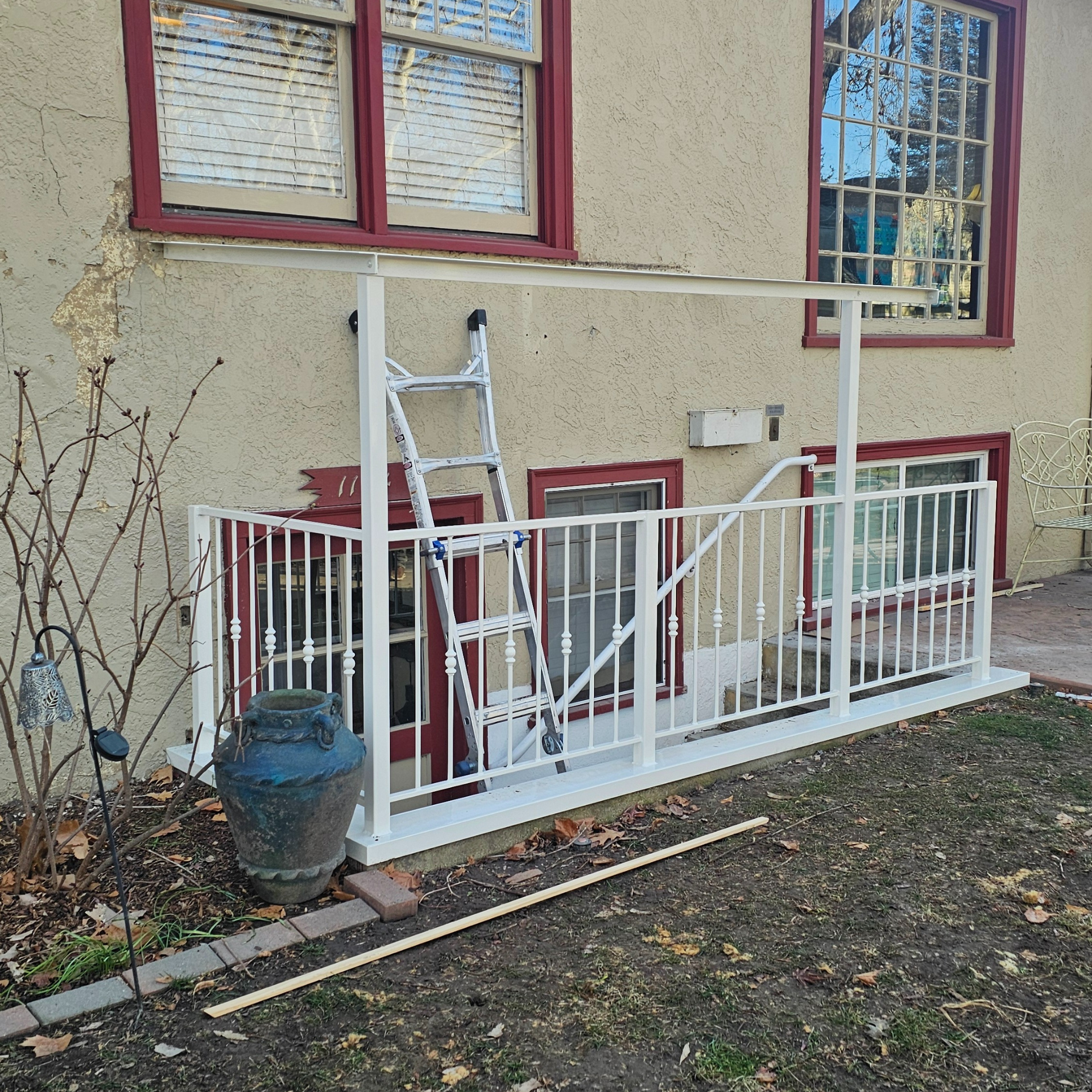
A termination is the end point of a railing or handrail run — whether it’s the end of a stair rail, a balcony guardrail meeting a wall, or the stopping point at a newel post. Improperly finished terminations can lead to sharp edges that create snag hazards or visual “dead spots” that disrupt the design flow. In contrast, well-concealed welds and smooth end details create a sense of continuity and refinement. Designers often aim to conceal or blend end cuts into newel posts, return loops, or embedded plates, ensuring that the functionality of the system is complemented by a unified visual language throughout the railing.
Materials and Fabrication Techniques for Clean Terminations
What materials work best for seamless termination detailing?
Materials that are consistent in composition and finish yield the best results when it comes to concealing end cuts and welds. For metal railing solutions, top fabrication shops often use materials like mild steel or stainless steel that allow for clean, precise machining and welding. Factor in local climate conditions — especially in areas like Boise where seasonal temperature and moisture variation occur — and corrosion-resistant finishes further protect termination points from rust and degradation over time.
In Boise and the surrounding Treasure Valley, metal fabrication Boise specialists work with local materials and finishes that are balanced for durability and visual quality. Proper planning and material selection go hand in hand with planning transitions and end details that will stand up to years of service.
Professional Welding and Cutting Standards
How does quality welding contribute to concealed terminations?
The skill of the fabricator delivering the welds is critical. A high-quality weld with proper penetration and blending can be ground, finished, and dressed so that it becomes nearly invisible in the final installation. Welding Boise professionals make strategic decisions about joint type and filler material to ensure the transition from rail to termination looks intentional and neat. These decisions involve understanding metallurgy, heat inputs, and finish compatibility so that terminated edges and welds don’t become weak points or visual blemishes.
Integrating Aesthetics and Safety in Termination Detail
Why thoughtful design enhances both appearance and safety
A railing termination that conceals its joinery is more than a visual luxury — it’s a safety feature. Smooth, integrated end conditions minimize sharp edges and pinch points that can catch clothing or injure hands during daily use. Design elements such as return loops, end caps, embedded end plates, and integrated newel transitions help maintain continuity of grip while minimizing points where moisture or debris can collect, which can lead to corrosion. These aesthetic strategies align with modern code guidance about graspable surfaces while also elevating the visual perception of quality.
Incorporating Custom Details and Ornamental Options
How decorative strategies can support seamless ends
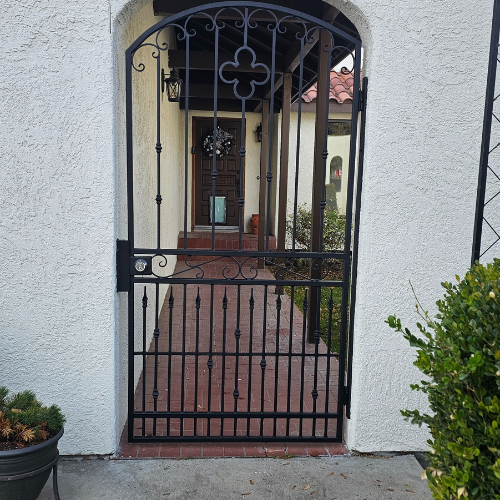
Not all concealed termination solutions are purely functional. Custom handrail fabrication integrates ornamental elements — like elegantly capped finials, hidden return curls, or continuous handrail loops — to create endings that feel intentional rather than abrupt. In some cases, these ornamental details can serve as both decorative features and functional guards against wear, effectively marrying design aesthetics with durability. When done well, these terminations become signature elements that enhance the surrounding architecture rather than detract from it.
Local Expertise and Collaborative Detailing
How local craftsmanship elevates finished detailing
Working with seasoned fabrication partners offers the best opportunity for high-quality, concealed termination design. A custom metal fabrication shop brings coordinated expertise in cutting, welding, and finishing — combining these skills seamlessly into the finished product. In smaller settings like a metal workshop or metal working shop, the level of personal attention allows for iterative tweaks to termination details; this flexibility is often essential for achieving consistent quality. A small metal fabrication or small fabrication shop background often also means closer collaboration with clients, designers, and installers to ensure that the final look reflects both form and function.
Craftsmanship & Local Application
Craft and Technique
In any successful rail termination, both metal and design choices play a key role. Working with railing fabricators who understand how to blend edge cuts into surrounding geometry ensures that final installed railings are both structurally sound and visually cohesive. Combining the artistry of ornamental detailing with precision execution is a hallmark of quality metalwork.
Local Metal Expertise
In Idaho and the Treasure Valley, experienced metal worker shop environments leverage local insight into climate and architectural context. A local metal shop familiar with regional building materials and expectations helps ensure that welds, finishes, and end details not only look great but also endure Boise’s unique seasonal weather. These local experts bring both historical knowledge of finishes and forward-looking practices that enhance durability.
Pros and Cons of Concealed Railing Terminations
Pros:
✔ Enhanced aesthetic continuity and cleaner appearance
✔ Reduced sharp edges that can cause injury
✔ Fewer corrosion points at seams and edges
✔ Professional finish that aligns with architectural intentions
Cons:
✘ Requires higher level of fabrication skill
✘ May add cost due to finishing labor
✘ Slower fabrication timeline compared to simple cuts
Frequently Asked Questions
Why is concealing end cuts and welds important?
Concealing these details improves appearance, reduces corrosion points, and creates safer handrail edges by eliminating sharp transitions, leading to long-term performance that is both functional and elegant.
Can all types of railings use concealed terminations?
Most modern railings — including metal, wood, and hybrid designs — can benefit from thoughtful termination detailing, though the techniques differ based on material and application.
Are concealed terminations required by code?
Codes do not mandate concealed welds specifically, but they do prioritize continuous, graspable, and safe surfaces. Concealed or blended ends help meet those intent-based code requirements.
Does concealing welds increase cost?
Yes, finishing labor and precision tooling add cost, but the investment pays off in durability, reduced maintenance, and better aesthetics.
What is a good finish for concealed welds?
Powder coat, enamel, or brushed finishes blend welds into surrounding surfaces and protect against corrosion.
How durable are concealed welds?
When executed properly by skilled welders, concealed welds can be as strong and durable as any exposed joints, often better protected from environmental exposure.
How do designers hide end cuts in railings?
Techniques like return loops, end caps, post integration, and decorative termination elements allow welds and cut edges to be visually integrated or hidden.
Is specialized fabrication equipment required?
Yes. Precision cutting and finishing machines, along with expert welders, are necessary to achieve seamless transitions.
How do concealed terminations affect maintenance?
They reduce maintenance by eliminating exposed seams where moisture and debris can corrode or weaken joints.
Why choose a custom groomed metalwork partner for rail terminations?
Expert partners provide coordinated design, fabrication, and finishing that ensures a long-lasting, cohesive railing system with superior esthetics and performance.
Ready to work with 83MetalCraft, LLC?
Let's connect! We’re here to help.
Send us a message and we’ll be in touch.
Or give us a call today at +1-208-948-2114
Agency Contact Form
More Marketing Tips, Tricks & Tools
Blog