How to Design Railing Transitions at Landings and Mid-Returns
Achieving Seamless, Safe, and Visually Cohesive Changes in Rail Direction — Expert Tips from Boise’s Metal Fabrication Professionals
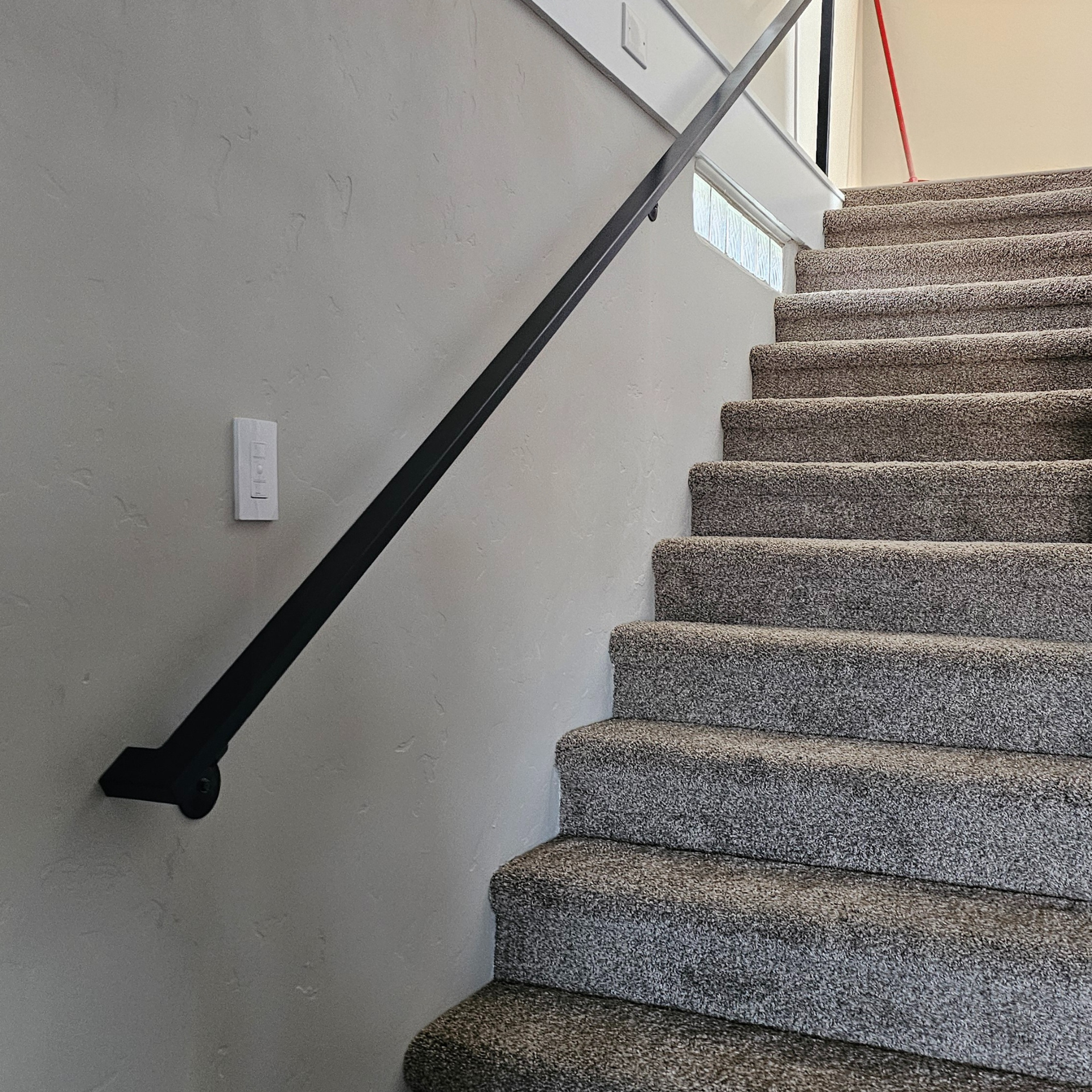
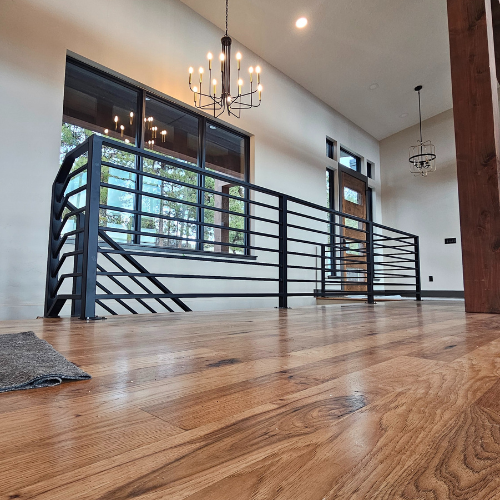
Transitions in rail systems — especially at landings and mid-returns — can make or break the usability and safety of a staircase. Properly designed transitions ensure continuity of grip, meet code requirements, and enhance the visual flow of a stairway. At 83MetalCraft, we’ve refined these details over hundreds of installations, blending craftsmanship with functional design for residential and commercial stair projects throughout the Treasure Valley.
Why Railing Transitions Are More Important Than You Think
Railing transitions are more than just decorative details — they serve critical safety, ergonomic, and code-compliance functions. According to the International Building Code (IBC) and International Residential Code (IRC), handrails must be continuous and uninterrupted along stairway flights, through landings, and at direction changes to provide a stable gripping surface and prevent dangerous fall patterns. If a railing stops abruptly at a landing or shifts direction poorly, it can result in user imbalance or loss of hand support, increasing fall risk and potential injury.
This is especially relevant in custom metalwork stair solutions where rhythmic transitions and comfortable continuity play a large role in how people experience movement along stairs.
What Is a Railing Transition?
What exactly is a transition at a stair landing or mid-return?
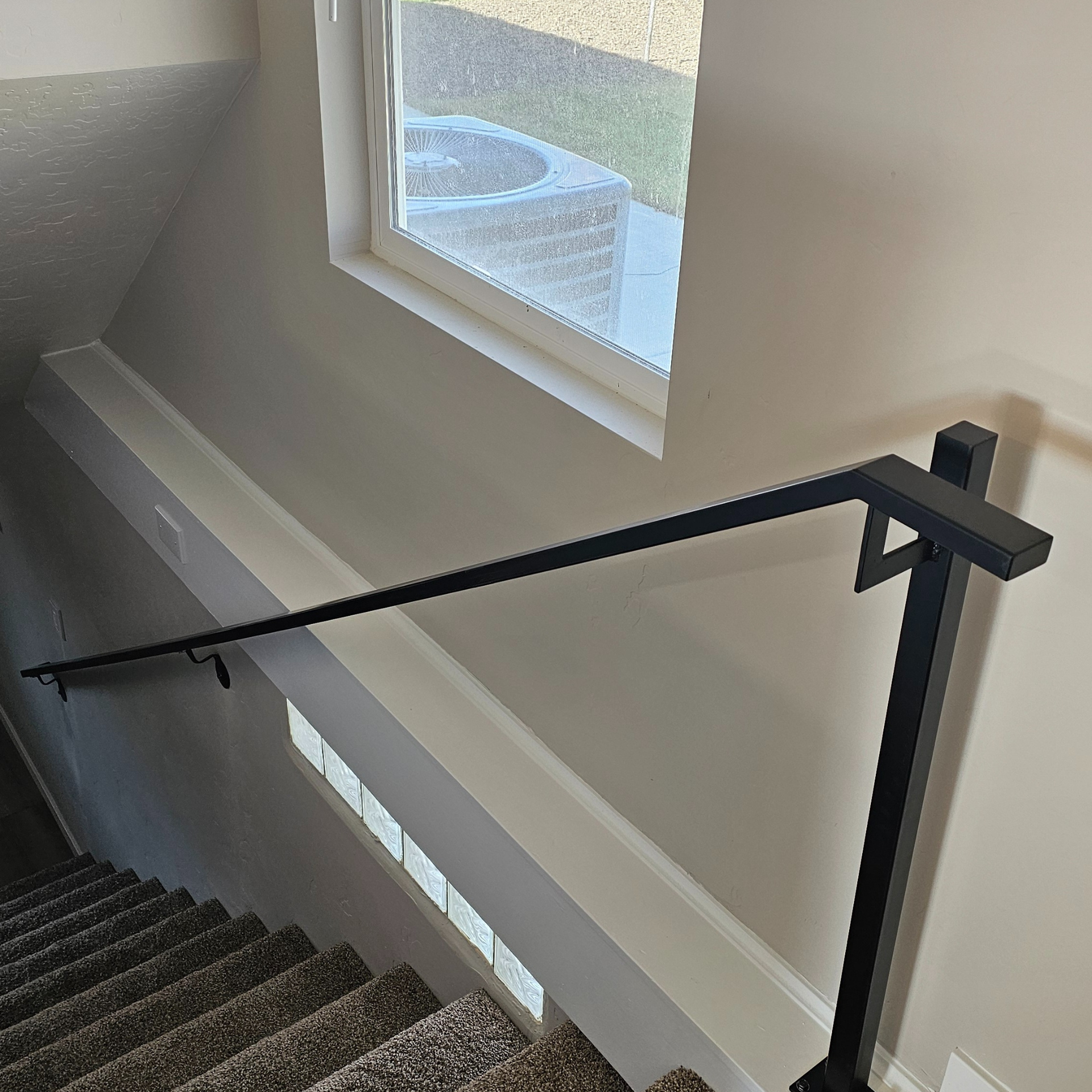
A railing transition occurs when a handrail changes direction, typically at a landing, half-landing, or intermediate point on a continuous stair run. Transitions may include:
- Change from one flight to another
- Mid-return that curves back toward a wall or baluster
- Pivoting the railing to continue along a new plane
These areas require careful design to maintain safety and continuity while respecting architectural intent. Whether using wood, steel, or a combination, the transition must feel intuitive underhand and remain compliant with continuity requirements.
Key Design Principles for Safe Transitions
How do we ensure transitions feel seamless and secure?
The goal of any railing transition is to provide a continuous, graspable surface so the user’s hand never loses contact or feels a gap during movement. This involves:
Geometry & Smooth Flow: Curved or angled components must be calculated to accommodate hand tracking during stair ascent or descent. Sharp turns disrupt grip patterns.
Height Consistency: Rails must maintain a consistent elevation, measured vertically from stair treads or walking surfaces, through landings and into new directions — even where architectural angles shift.
Transition Elements: Options include continuous bends, elegant knuckles, or custom mid-returns that wrap around posts or newel caps while preserving smooth hand travel.
These guidelines align with ergonomic and safety principles taught in stair design standards.
Materials & Fabrication Considerations
What materials work best for reliable transition design?
In custom railing projects that blend form and function, choosing the right materials and fabrication method is crucial. For metal railing systems, factors include:
Northern Climate Durability: Boise’s seasonal weather requires materials like Idaho steel with proper finishes that resist corrosion.
Precision Between Elements: At metal fabrication Boise shops, skilled crews create continuous curves and returns with minimal visible seams — vital for grip and aesthetics.
Joint Quality: Smooth joints and welds at changes of direction keep tactile experience consistent. In a welding Boise environment, proper penetration and blending are critical to both safety and appearance.
In residential or commercial staircase installations, selection between steel, aluminum, or stainless can affect both strength and visual harmony.
Integrating Style with Safety
How can transitions be both safe and beautiful?
Designers and fabricators must balance code requirements with visual style. At Boise metal fabrication facilities, rail treatments — such as concealed returns, subtle curves, and ornamented connectors — can enhance overall design while preserving continuity.
This balance is especially vital when integrating railing elements with architectural features like newels, posts, or adjacent balustrades. For example, in stairways featuring architectural overhead lines or mixed materials, a transition can be designed to echo the surrounding geometry while maintaining uninterrupted function.
Best Practices from Expert Fabricators
What do experienced fabricators prioritize?
Professional railing fabricators recommend the following:
Advance Layout: Designers should map out the entire railing path, noting transition points and how elements join before fabrication begins.
Mock-ups & Templates: Using on-site templates or shop test bends allows fabricators to visualize and refine transitions ahead of installation.
Field Verification: Because stair tolerances can vary slightly from drawings, installing railings with pre-verified field measurements reduces fabrication errors.
Teams with deep experience — such as custom metal fabrication shop crews — anticipate potential interference from framing, obstructions, or structural elements.
Craftsmanship & Technique
In large and small railing projects alike, expertise in metal working shops and a disciplined approach to metal work fabrication are essential. A seasoned metal worker shop understands how to maintain continuity and elegance at mid-returns, ensuring transitions are smooth to the touch. Whether trimming posts, blending curves, or tightening welds, a proficient metal workshop makes the difference between a functional railing and a seamless one.
Local Context & Collaboration
Local collaboration with a small metal fabrication group or small fabrication shop enhances responsiveness and quality control. A local metal shop working with architects and installers can adapt transitions for Boise’s unique home and business requirements, merging comfort, safety, and visual flow. When coordinated with structural elements, transitions become nearly invisible, yet profoundly impactful.
Pros and Cons of Thoughtful Railing Transitions
Pros:
✔ Improved user safety and grip continuity
✔ Better compliance with building codes
✔ Enhanced visual integration with stair design
✔ Higher perceived quality and craftsmanship
Cons:
✘ Requires careful planning during design phase
✘ May slightly increase fabrication complexity
✘ Detailed transitions can add modest fabrication time
FAQ — Common Questions About Railing Transitions
Why are railing transitions important?
Transitions ensure continuous handrail support, especially on stairs and landings where direction changes. Poor transitions can lead to loss of balance and increased risk of falls.
What codes govern railing transitions?
The IRC and IBC require handrails to be continuous and graspable throughout stair flights, including at changes in direction. These standards are part of modern building safety codes designed to protect users.
What’s the best transition shape?
Smooth curves or gentle angled returns that allow the hand to track naturally are preferred. Sharp changes disrupt grip and can create uncomfortable spots.
Are custom transitions expensive?
Moderate increases in fabrication cost can occur, but the safety and aesthetic payoff often justify the investment, especially in custom metalwork.
Can we retrofit transitions on existing railings?
Yes—competent fabricators can modify or add transitional elements, but field measurements and on-site templates are essential for accuracy.
What materials are best for transitions?
Steel, stainless, and aluminum handle load conditions well. Finishes and coatings should be chosen based on exposure and use.
How long does transition fabrication take?
Time depends on complexity, but detailed transitions usually add a small amount of precision fabrication time compared to straight runs.
Does climate affect transitions?
Outdoor transitions must account for expansion and contraction due to temperature swings—especially in regions like Boise with seasonal variation.
Why involve fabricators early?
Early involvement ensures transitions are coordinated with framing, finishes, and hardware — reducing surprises during installation.
How do we know a transition is code compliant?
Inspectors look for continuous grip, secure anchoring, proper height, and stable design. Experienced fabricators design with these criteria in mind.
Ready to work with 83MetalCraft, LLC?
Let's connect! We’re here to help.
Send us a message and we’ll be in touch.
Or give us a call today at +1-208-948-2114
Agency Contact Form
More Marketing Tips, Tricks & Tools
Blog