How to Schedule Railing Fabrication to Align With Deck Contractors and Framers
A Step-by-Step Guide to Coordinating Metal Fabrication, Framing, and Deck Builds for Smooth Project Delivery
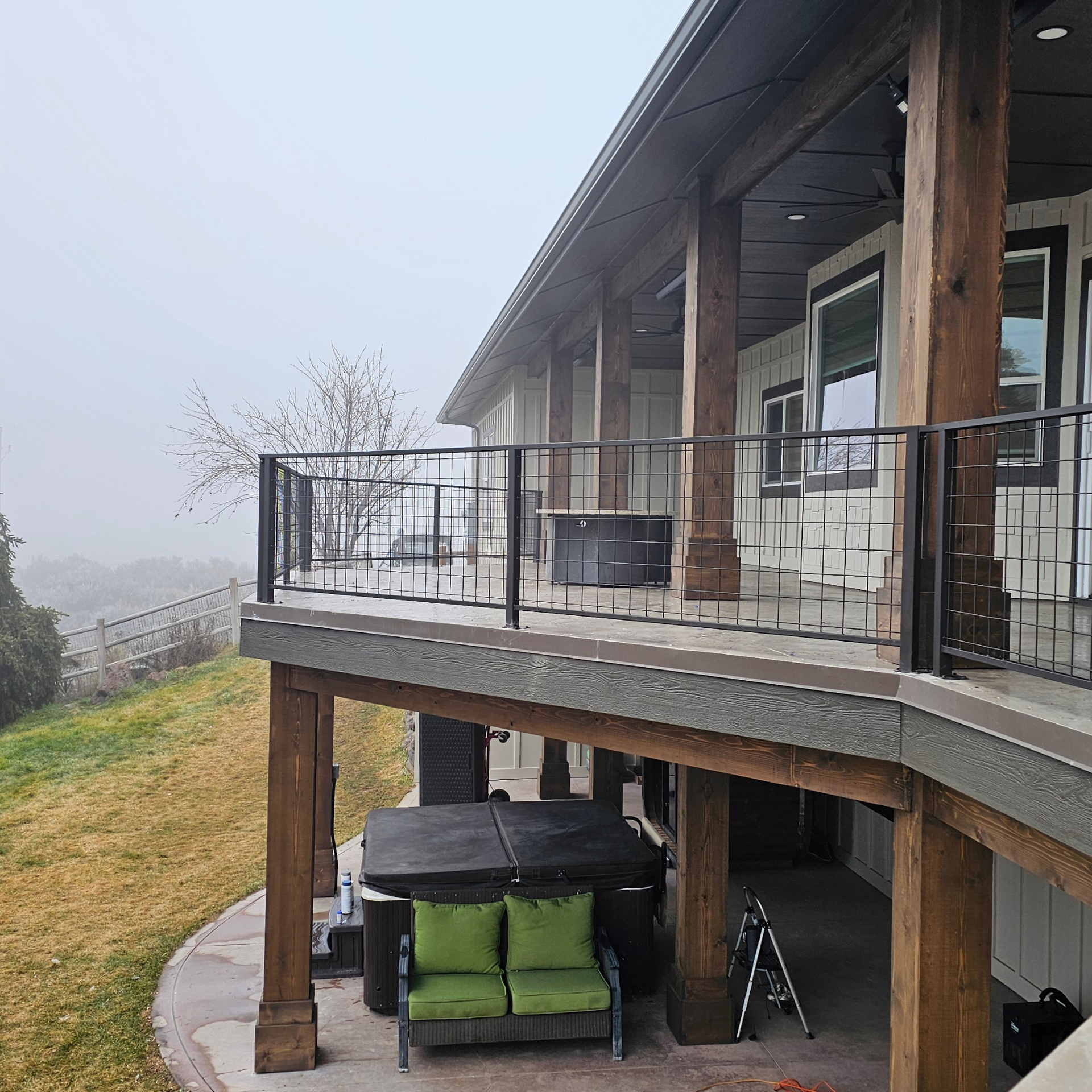
Coordinating railing fabrication with deck contractors and framers is one of the most important steps in any outdoor construction project — especially when working with custom metal elements. When fabrication is scheduled properly, it reduces delays, improves quality control, and enhances communication between trades. At 83MetalCraft, our experience in creating precision railing systems across the Treasure Valley shows that early alignment among all parties leads to stronger relationships and better end results. This guide explains how to build a timeline that keeps everyone in sync from blueprint to install.
Why Coordination Matters in Multi-Trade Projects
In construction, one of the biggest causes of project delays is poor sequencing between trades. According to general contracting best practices, sequencing work so each trade has the prerequisites they need — and no more — reduces site conflicts and accelerates progress . When deck framing is incomplete before railing components arrive, installers might need to make field adjustments. Conversely, fabricating rails too early can result in mismatches due to dimensional changes during framing. Effective coordination combining framing, metal work planning, and fabrication ensures all materials fit precisely into the final structure.
Establishing a Shared Timeline Early On
Why an early project kickoff meeting matters
Before any steel is cut or lumber is framed, bring together all stakeholders — deck contractor, framer, and fabricator — to define key milestones. A kickoff meeting allows everyone to understand the project scope, sequencing, and critical path. Framing measurements, ledger board locations, and stair layouts influence railing dimensions and fabrication details. Proper collaboration early in the process eliminates costly rework. In practice, this kind of alignment supports accurate ordering and production, reducing site surprises.
Accurate Field Measurements and Verification
What to measure and why it matters
Precise field measurements are the backbone of successful metal fabrication Boise projects. Rail lengths, post locations, stair rises, and landings must be verified after framing but before final fabrication sign-off. Mistakes in the field mean adjustments in the shop — or worse, on the job site. A common method is to use a job site “pre-assembly check” where framers and fabricators verify dimensions before rail materials are cut. This practice saves time and ensures the finished railings fit with minimal field modification.
Communication Protocols for Seamless Workflows
How clear communication improves outcomes
Clear channels between the deck contractor, framer, and metal fabricator avoid misinterpretation. Tools such as shared schedules, project management apps, and regular check-in calls help maintain alignment. Updates from the framing team about dimensional changes inform boise metal fabrication crews before they commit materials to production. It’s essential not to rush handrail profiles until key framing elements are locked in place.
Ordering and Fabrication Lead Times
Understanding production windows and dependencies
Metal fabrication often requires longer lead times than carpentry framing. Estimating fabrication timelines alongside framing schedules — and understanding when materials like steel arrive — helps prevent idle time or last-minute rushes. Negotiating lead times with railing fabricators early enables framers to confirm framing completion aligns with rail arrival. Scheduling these windows optimizes workflow and reduces idle crew time.
Managing On-Site Adjustments and Tolerances
What to do when field conditions change
Often, minor framing variations occur due to site conditions or settling. Fabricators should be involved early so they can anticipate tolerances and design range-adjustable connections. Some rail systems allow slight adjustments in post locations or rail lengths without major rework, which is especially helpful when coordinating with deck contracts that include irregular decking or stair configurations.
Craftsmanship & Local Fabrication Expertise
Design, Fabrication, and Coordination
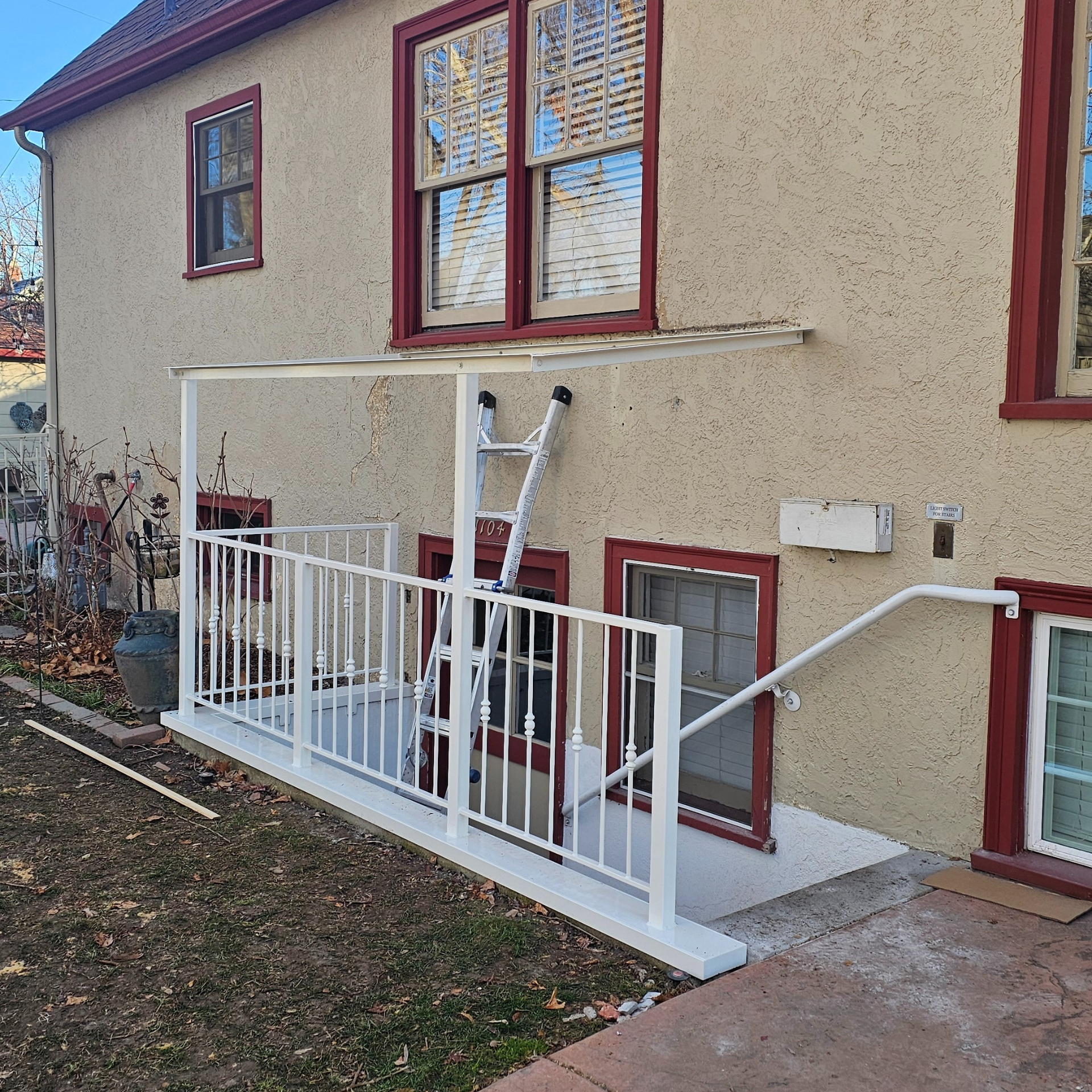
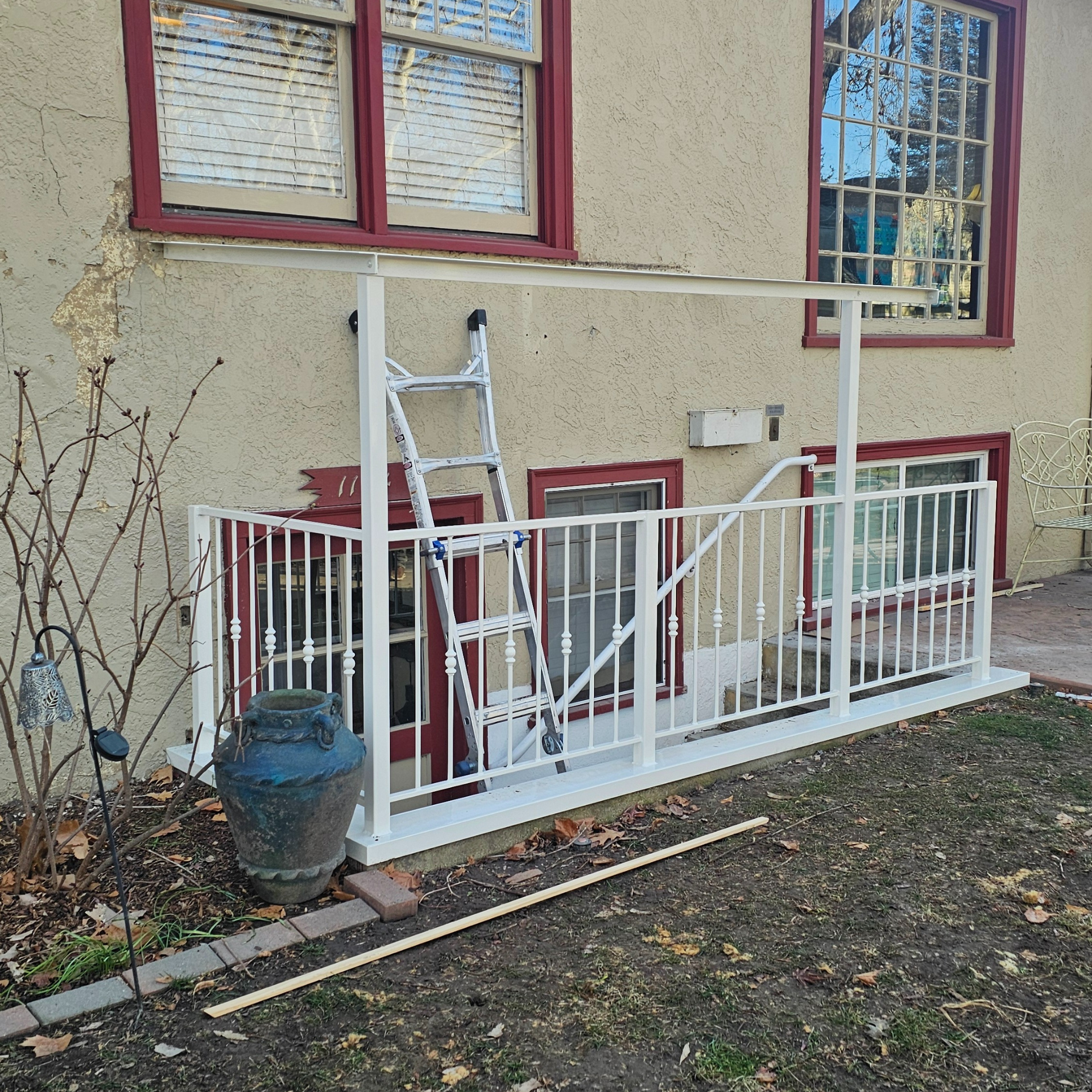
Working with experts in welding Boise ensures that all fabricated parts are structurally solid and seamlessly align with framing conditions. Skilled metalworking shops bring the precision needed to translate framing nuances into reliable railing assemblies. A custom handrail fabrication environment allows for bespoke solutions where standard profiles won’t suffice.
Local Knowledge & Fabrication Culture
Collaborating with treasure valley metal professionals means you benefit from local knowledge about climate impact, building practices, and inspection expectations. Professional metal works teams coordinate with framers to anticipate common framing pitfalls that can affect railing fits, such as non-square corners or inconsistent post spacing.
Pros and Cons of Proper Railing Fabrication Scheduling
Pros:
✔ Less rework and wasted materials
✔ Fewer installation delays
✔ Better relationship between trades
✔ Higher accuracy and customer satisfaction
Cons:
✘ Requires more upfront coordination
✘ Potential schedule bottlenecks if one trade slips
✘ Slightly longer planning phase before work begins
FAQ — Scheduling Railing Fabrication With Deck Contractors
When should you involve the fabricator in the project timeline?
Early — ideally at the design phase, so dimensional frameworks are clear before framing starts.
What measurements are essential before fabrication begins?
Ledger board positions, stair rises, post locations, and landing widths post-framing ensure accuracy.
How do fabrication lead times affect overall scheduling?
Metal fabrication often has longer lead times than framing; align these so rails arrive just as framing completes.
What communication tools improve coordination?
Shared calendars, project management apps, and regular check-in meetings keep all parties informed.
Can railings be adjusted on-site if framing changes?
Minor adjustments are possible, but major changes usually require rework in the shop, so accurate field measurements are critical.
How does weather affect fabrication scheduling?
Outdoor framing and finishing conditions can swing, so schedule with seasonal constraints in mind
Is it better to finish framing completely before ordering railings?
Yes — final framing clarifies dimensions and reduces chances of re-fabrication.
Who is responsible for verifying measurements?
Framers and fabricators should jointly verify, often via on‐site mockups or field checks.
How do budget constraints influence scheduling?
Precise scheduling avoids rush charges and reduces costs associated with last-minute changes.
Why choose experienced fabrication partners for deck coordination?
Experienced firms with deep project coordination insights reduce misalignment risk and help keep the schedule efficient.
Ready to work with 83MetalCraft, LLC?
Let's connect! We’re here to help.
Send us a message and we’ll be in touch.
Or give us a call today at +1-208-948-2114
Agency Contact Form
More Marketing Tips, Tricks & Tools
Blog