How to Design Railings That Meet Building Code Heights and Loads
A Boise Fabricator’s Expert Guide to Safe, Compliant, and Beautiful Metal Railings
Designing railings that meet building code requirements is one of the most critical—and misunderstood—parts of residential and commercial construction. From minimum heights to load resistance, railing systems must balance safety, engineering, aesthetics, and local compliance. For property owners in Boise and the Treasure Valley, working with an experienced fabricator like 83MetalCraft LLC ensures that every railing project is engineered correctly from the start, reducing liability, avoiding inspection failures, and delivering long-term durability.
Why Building Codes Matter for Railing Design
Modern building codes exist to protect people from falls, structural failures, and long-term degradation. Railings are classified as life-safety components, meaning mistakes can result in failed inspections, fines, or dangerous conditions. Professional metal fabrication ensures railings meet required height, spacing, and load performance without sacrificing design intent.
Code-Compliant Railing Design Fundamentals
What height requirements apply to residential and commercial railings?
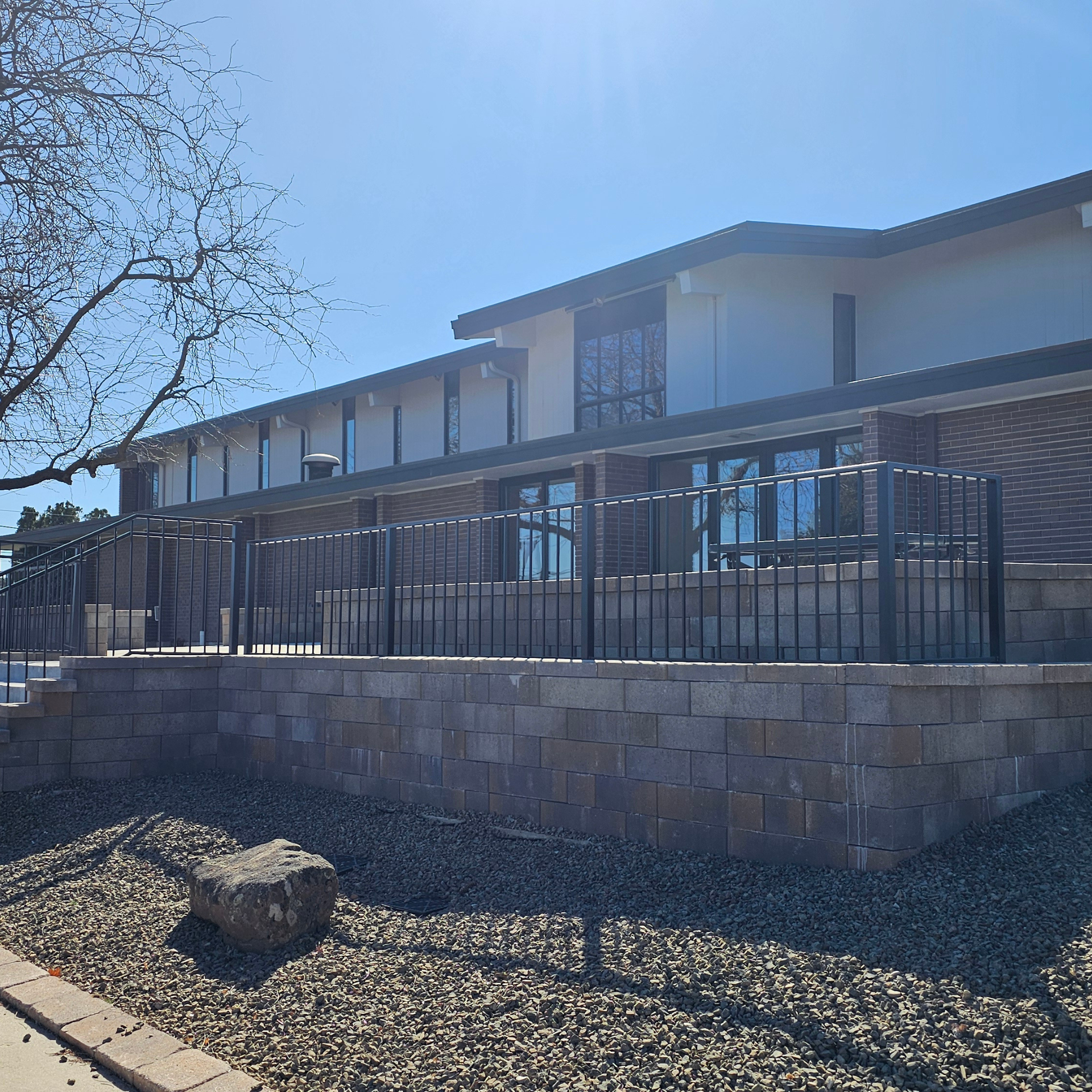
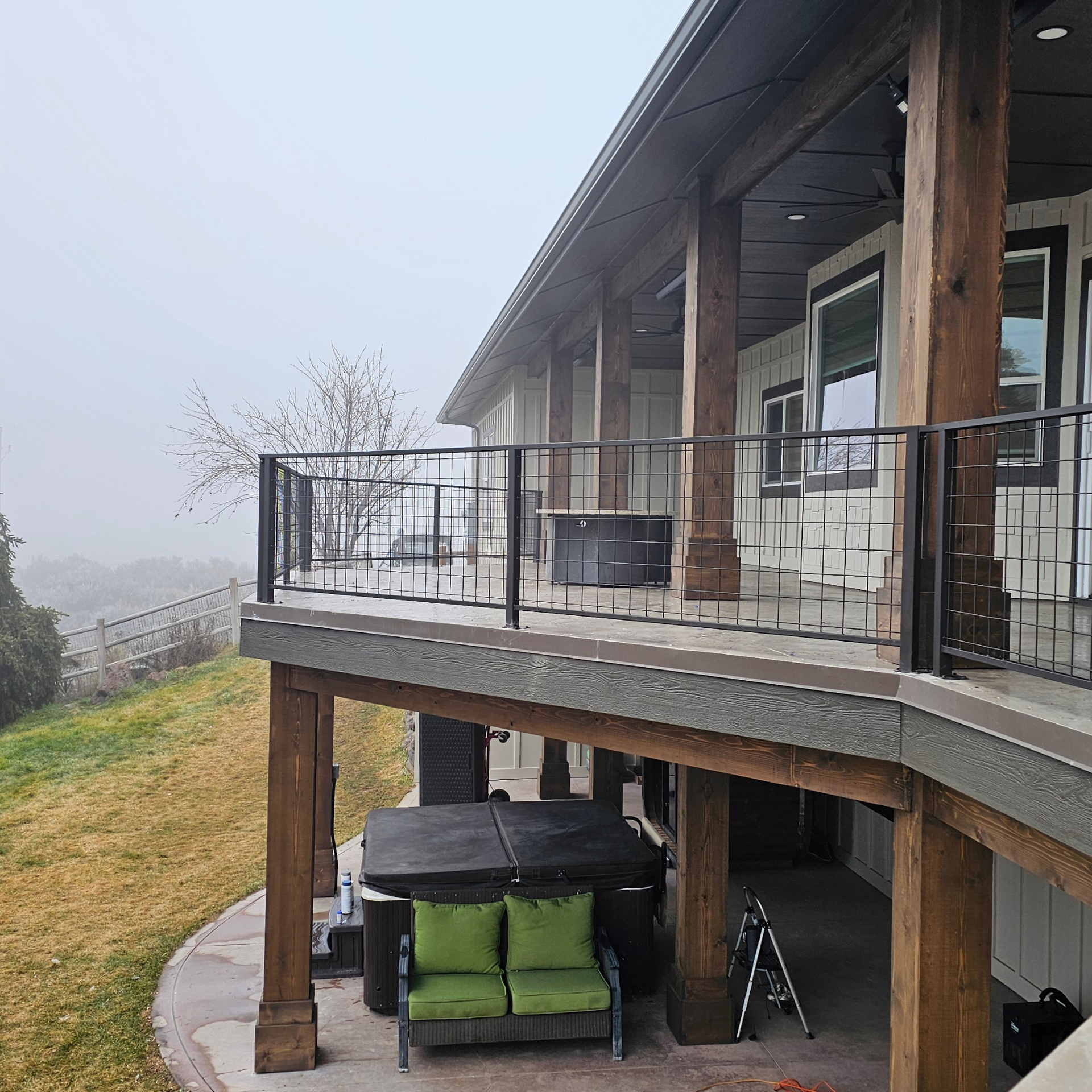
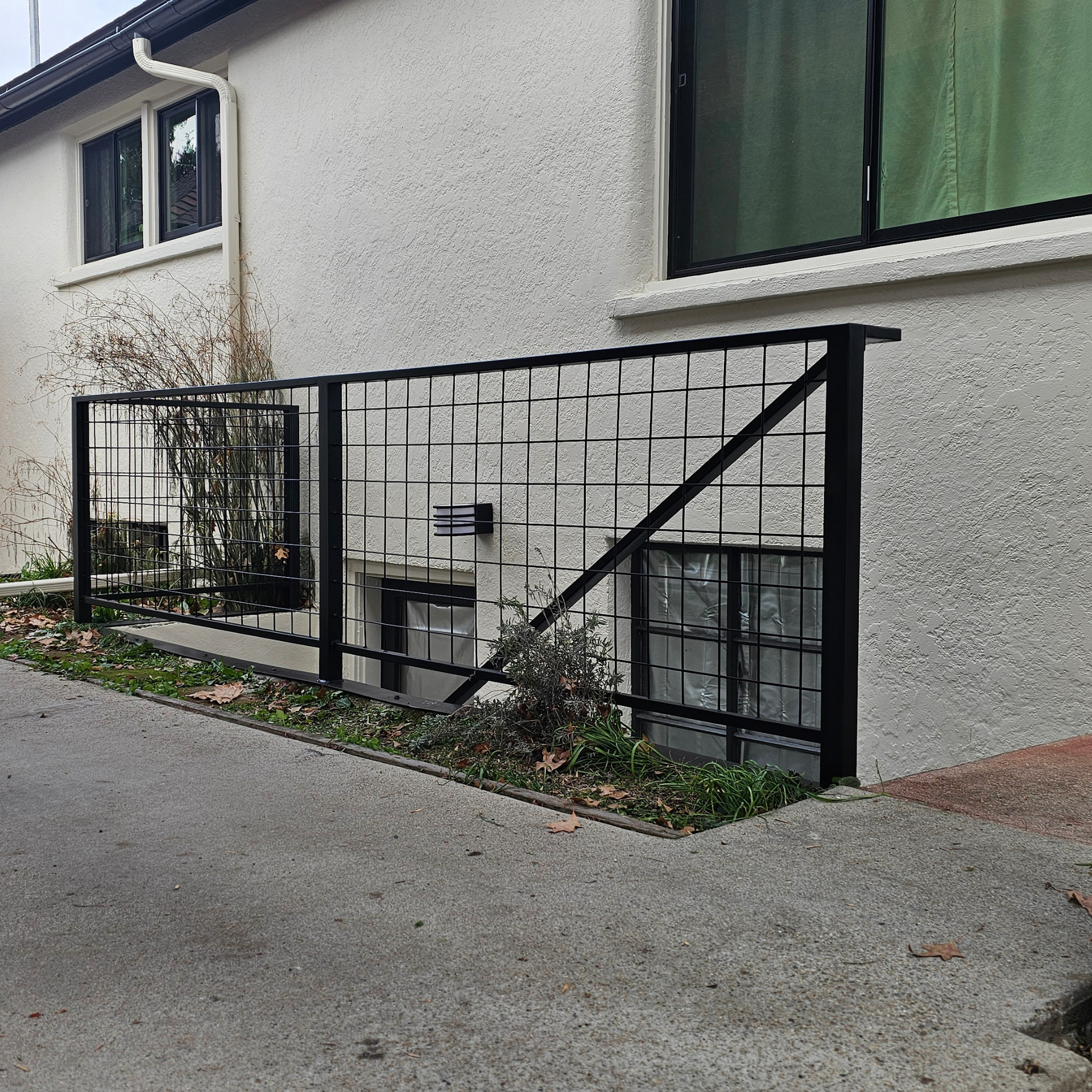
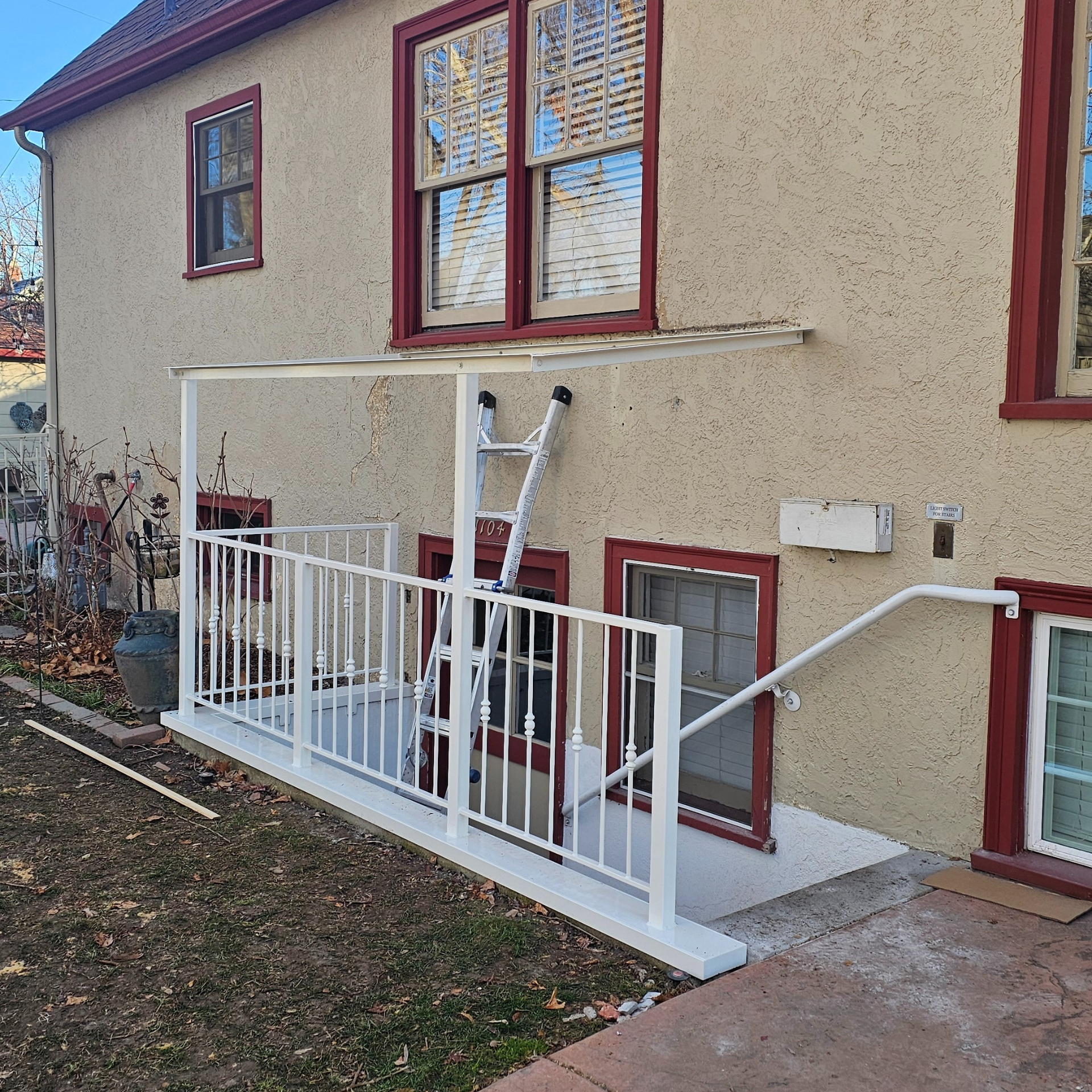
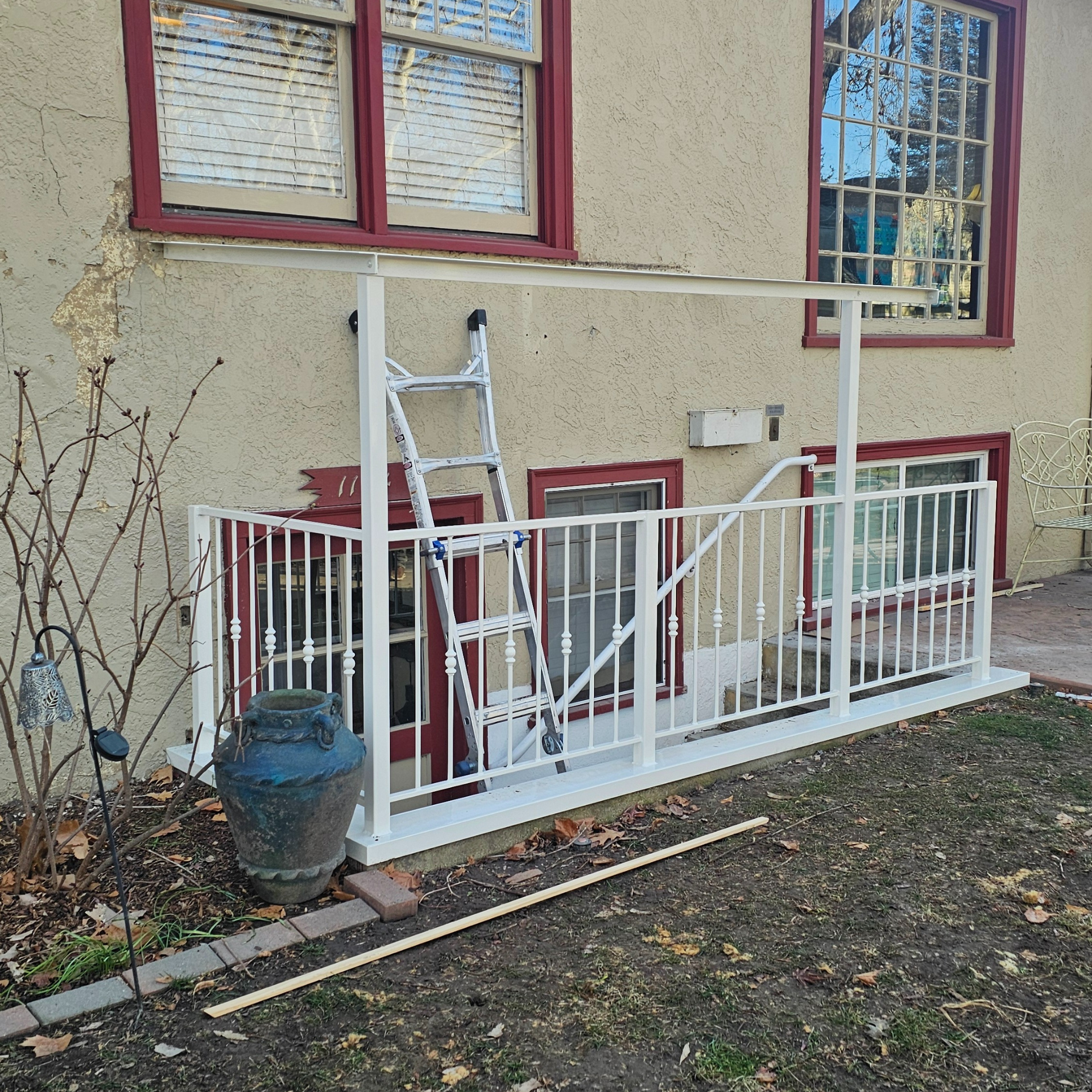
Most codes require guardrails to be at least 42 inches high for commercial applications and 36 inches for residential decks, balconies, and stairs. Local enforcement may vary, which is why working with metal fabrication boise professionals is essential. Experienced shops understand how Boise-area inspectors interpret code language and apply it to real-world conditions. Proper height is not just about passing inspection—it ensures fall protection across elevated surfaces and stair transitions while maintaining visual proportion in the architecture.
How do load requirements affect railing engineering?
Railings must resist horizontal loads (often 200 pounds applied at the top rail) and vertical forces without excessive deflection. A trusted boise metal fabrication shop engineers posts, welds, and anchoring systems to distribute stress safely. Load calculations influence material thickness, post spacing, and connection design. Under-engineered systems may look fine initially but fail under real use, weather exposure, or long-term wear.
Why welding quality directly impacts code compliance
Structural integrity depends on consistent weld penetration, joint preparation, and proper heat control. Professional welding boise services ensure joints meet strength requirements specified in code references and engineering standards. Inconsistent or cosmetic-only welds may crack under load, leading to failed inspections or dangerous conditions.
How certified welding supports long-term safety
Working with qualified welding boise idaho specialists means weld procedures are appropriate for the material type, thickness, and environmental exposure. Railings exposed to freeze-thaw cycles or outdoor moisture require welding methods that prevent micro-fractures and corrosion, ensuring compliance remains intact over decades.
Material Selection and Structural Design
Why metal railings outperform other materials
A properly designed metal railing boise system offers superior strength-to-weight ratio compared to wood or composite options. Metal allows tighter tolerances, thinner profiles, and higher load resistance while maintaining code-compliant spacing and height. This makes it ideal for modern and traditional designs alike.
How fabrication quality affects inspection outcomes
Using quality metal fab practices ensures accurate dimensions, square assemblies, and consistent welds. Inspectors often notice misalignment, excessive deflection, or poor anchoring—issues that stem from rushed fabrication rather than design flaws.
Integrating safety with visual appeal
Through ornamental fabrication, code-compliant railings can still express architectural character. Decorative elements must be engineered carefully so they don’t compromise spacing rules or structural strength while enhancing curb appeal.
The role of metal in architectural cohesion
Successful metal and design integration ensures railings complement staircases, balconies, and building façades without appearing bulky or out of scale. Thoughtful proportioning allows code-required dimensions to feel intentional rather than restrictive.
Stair-specific engineering considerations
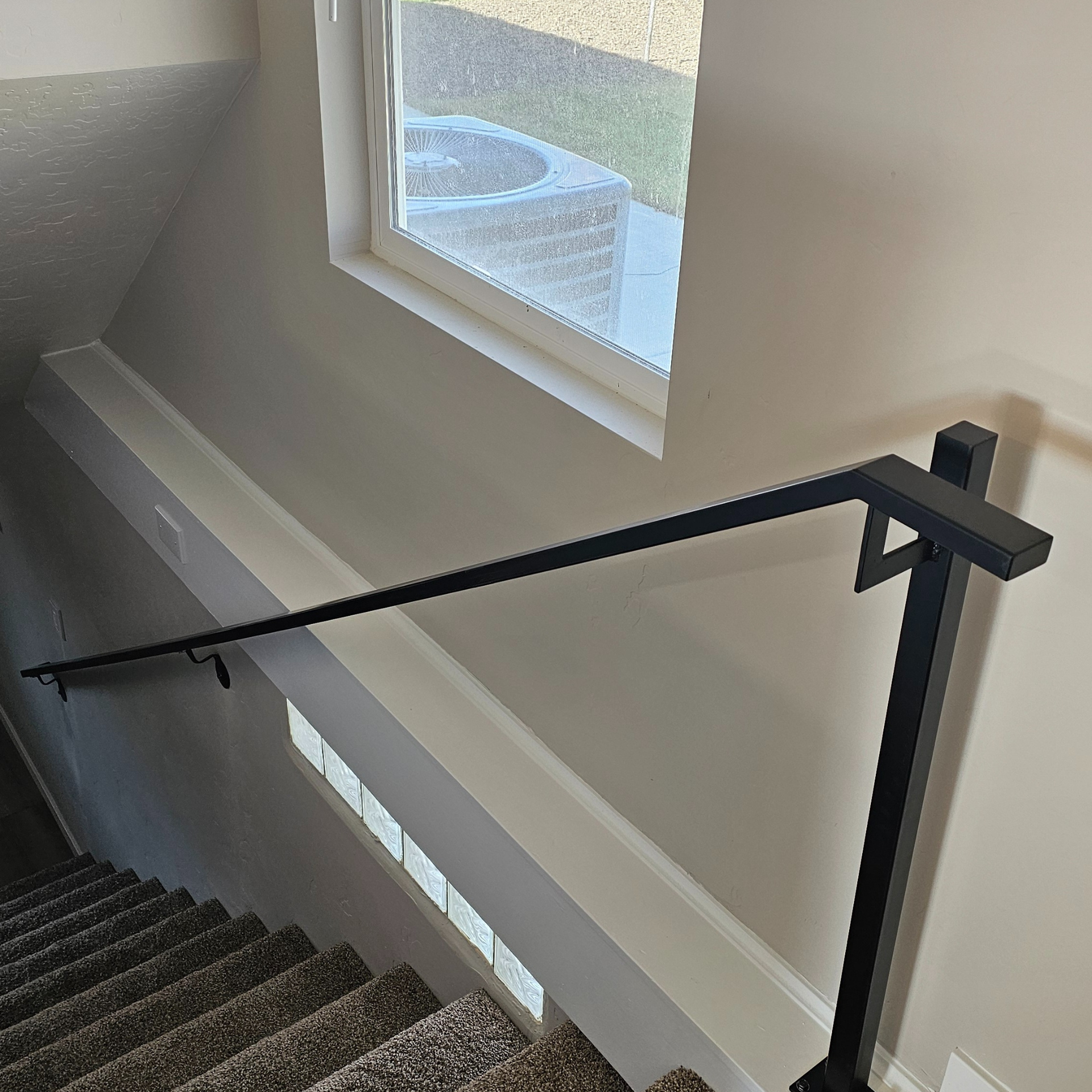
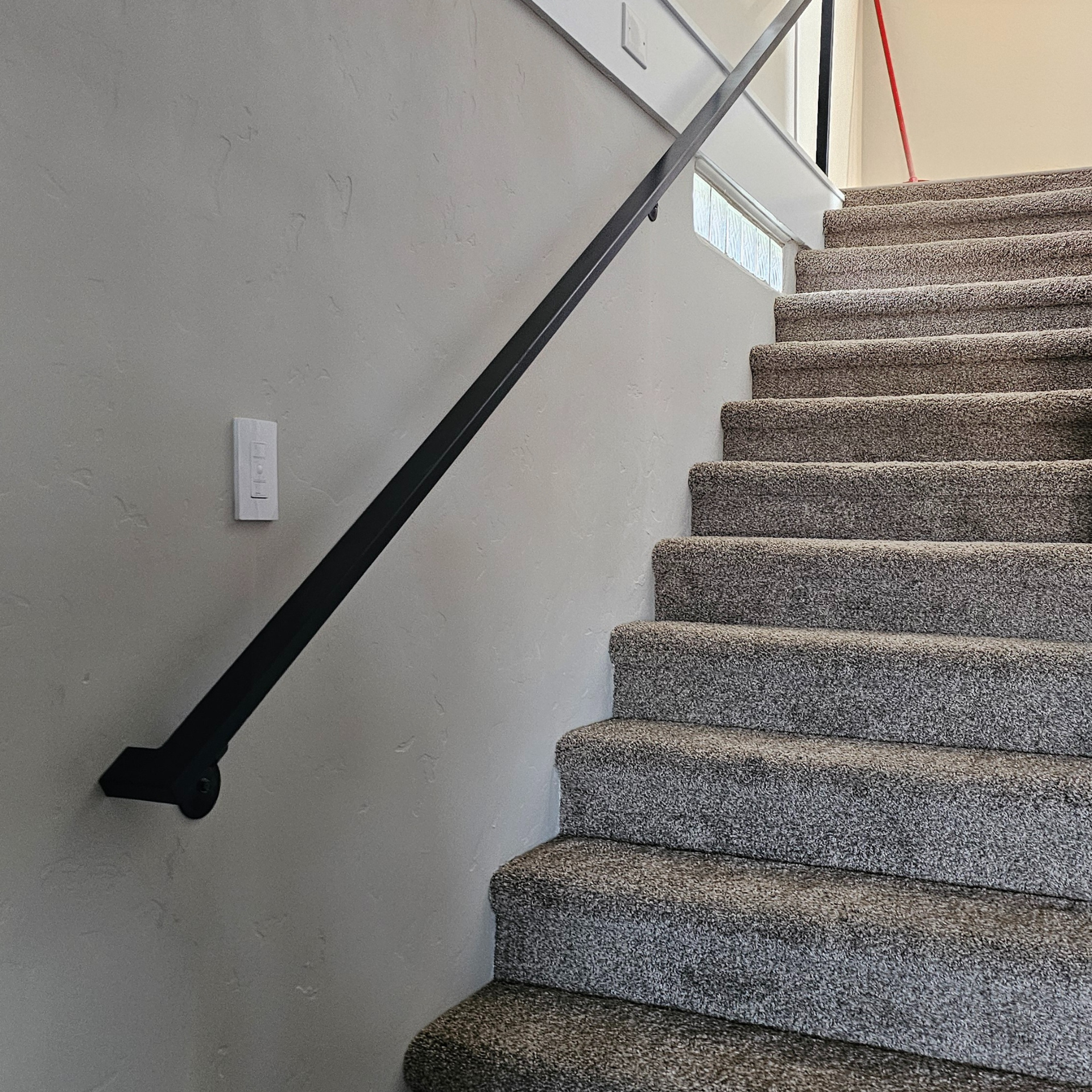
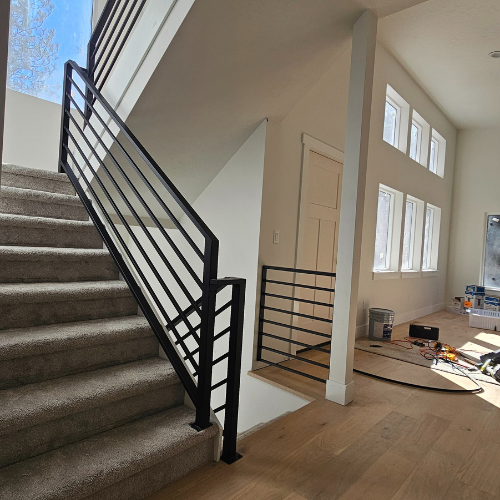
Experienced steel stair fabricators understand that stair railings face different forces than flat guards. Handrail height, graspability, and load transfer must be engineered together for safety and compliance.
Why fabrication precision matters
Accurate metal railing fabrication ensures posts align with structural framing, anchor plates sit flush, and tolerances meet code requirements. Precision reduces on-site adjustments that can compromise strength.
Choosing experienced professionals
Qualified railing fabricators understand both design intent and enforcement realities, helping projects pass inspection on the first attempt.
Specialty Applications and Adjacent Structures
Code-compliant exterior features
Elements like awnings boise id must integrate safely with railing systems, ensuring attachment points don’t interfere with guardrail loads or spacing.
Privacy without compromising safety
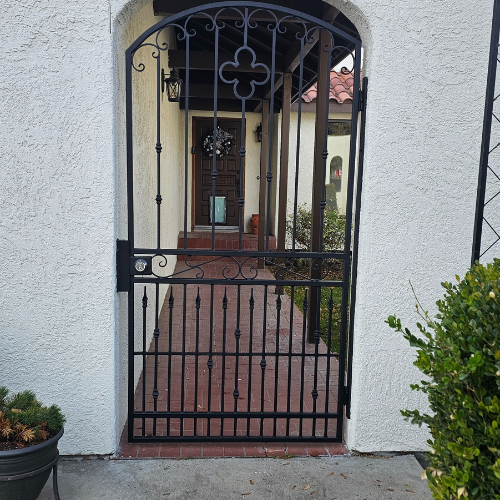
Well-designed metal privacy gates can meet height and spacing rules while maintaining security and visual separation.
Architectural stair railings
An architecture stairway metal railing must balance code compliance with visual flow, especially in open-concept interiors.
Fabrication beyond railings
Custom metal works often integrate railings with balconies, landings, and platforms for unified safety systems.
Precision cutting for accuracy
Advanced plasma cutting boise services enable tight tolerances and clean edges, improving fit and structural performance.
Supporting fabrication infrastructure
Professional metal working shops provide controlled environments where railings are fabricated accurately before installation.
Regional expertise matters
Local knowledge of treasure valley metal sourcing and inspection practices helps avoid costly delays.
Custom solutions from start to finish
A dedicated custom metal fabrication shop like 83MetalCraft oversees design, fabrication, and installation under one roof.
Where craftsmanship begins
A fully equipped metal workshop ensures repeatable quality and compliance.
The value of small-scale precision
Small metal fabrication shops often deliver higher attention to detail than mass-production facilities.
Hands-on quality control
A professional metal working shop can adapt designs quickly to meet inspector feedback.
Flexibility in fabrication
A small fabrication shop allows direct communication between fabricator and client.
Community-based expertise
Working with a local metal shop means faster response times and accountability.
Craftsmanship culture
A skilled metal work shop emphasizes durability and compliance equally.
Structural reliability
Proper metal work fabrication ensures railings withstand required loads.
Built to last
High-quality metal fabrication work delivers long-term safety.
Tailored solutions
Thoughtful custom metalwork ensures railings meet code without sacrificing design.
Pros and Cons of Code-Driven Railing Design
Pros
- Ensures occupant safety
- Passes inspections efficiently
- Reduces liability
- Enhances property value
Cons
- Requires professional expertise
- Higher upfront planning effort
- Limited shortcuts
FAQ- Frequently asked Questions
What railing height is required in Boise?
Most residential guards require 36 inches; commercial typically requires 42 inches.
How strong must a railing be?
Most codes require resistance to a 200-pound horizontal load.
Do stair railings have different rules?
Yes, handrail height and graspability differ from guards.
Can decorative railings meet code?
Yes, when engineered correctly.
Are cable railings allowed?
Yes, if spacing and load rules are met.
Does Boise enforce IRC or IBC?
Both, depending on project type.
Can existing railings be retrofitted?
Often yes, with professional evaluation.
How long does fabrication take?
Typically 2–6 weeks depending on complexity.
Do inspectors check weld quality?
Yes, especially on structural components.
Why choose 83MetalCraft?
Local expertise, code knowledge, and long-term craftsmanship.
Ready to work with 83MetalCraft, LLC?
Let's connect! We’re here to help.
Send us a message and we’ll be in touch.
Or give us a call today at +1-208-948-2114
Agency Contact Form
More Marketing Tips, Tricks & Tools
Blog