How Local Building Codes Influence Metalwork Design in Idaho
Why understanding code matters when designing custom metal projects for your home or business
Introduction
When planning custom metalwork—whether a sleek stair rail, a decorative privacy fence, or a modern awning—the local building codes often play a decisive role. For clients in Idaho, a fabricator who is familiar with regional regulations brings major value. At 83MetalCraft LLC, we specialise in metal fabrication Boise and guarantee that every one of our projects complies with Idaho’s building standards. This blog explores how building codes influence design, the benefits of staying code-compliant, and frankly the risks when you don’t.
What Building Codes Usually Affect Metalwork?
What are the key code-areas for railing and staircase systems?
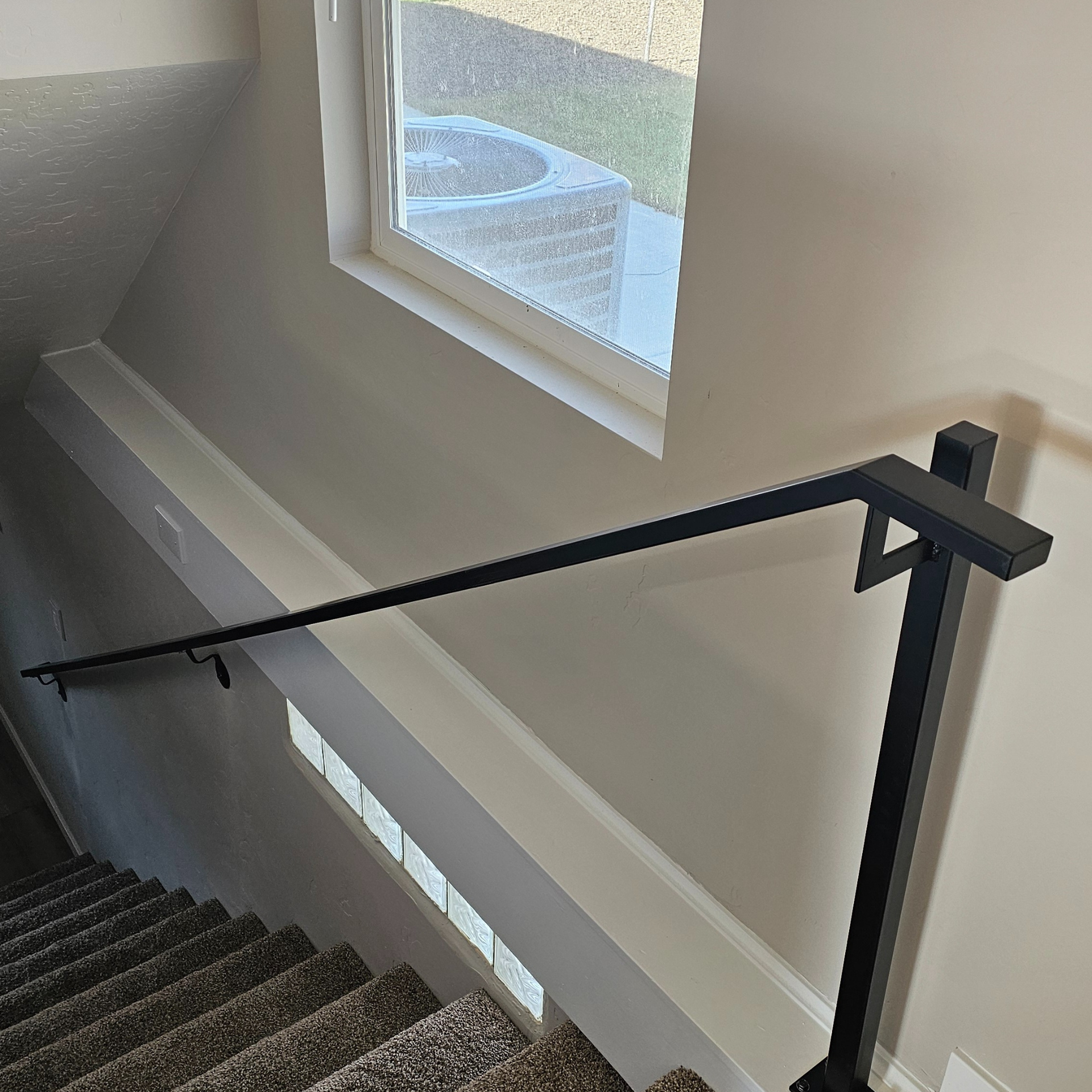
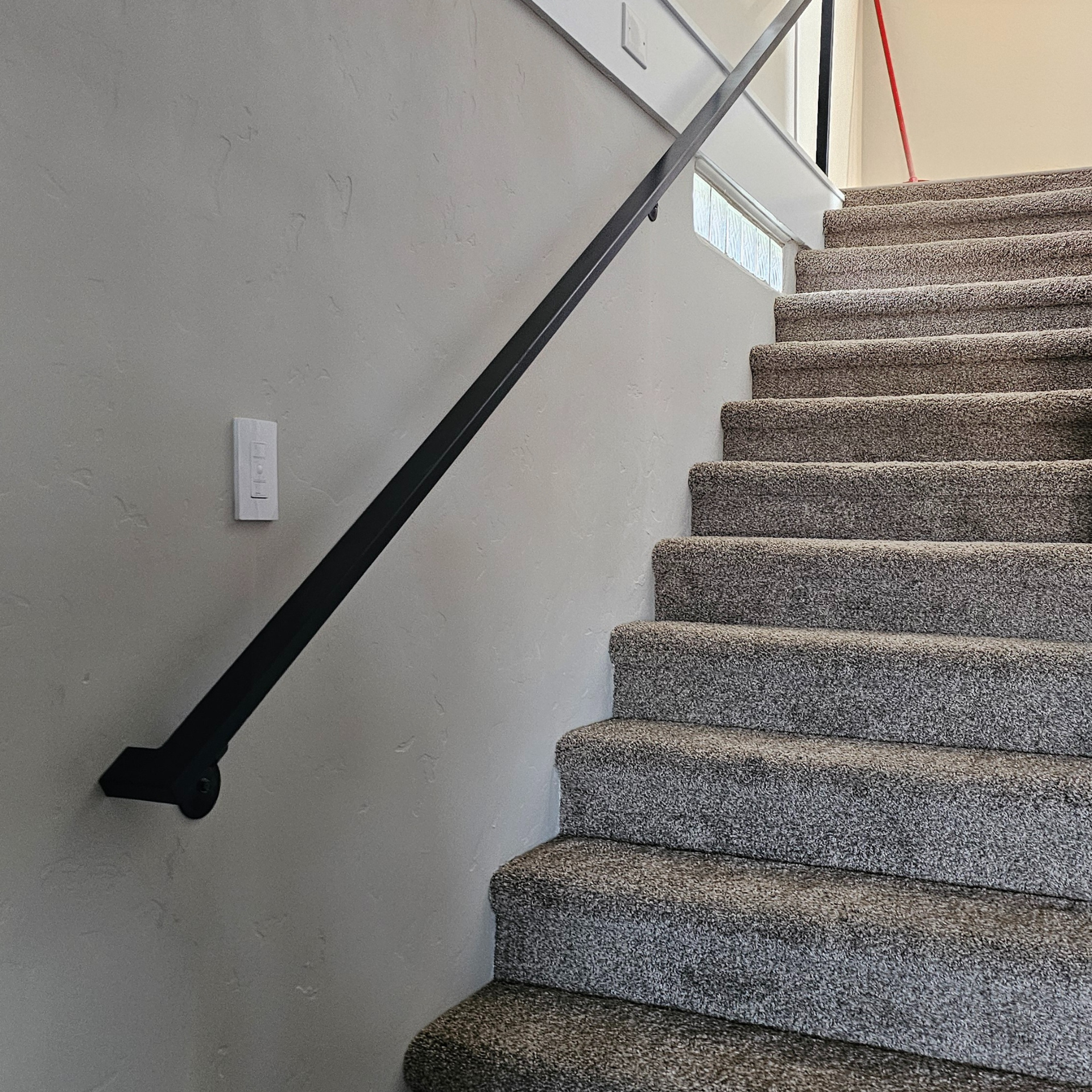
For example, Idaho’s adoption of the International Residential Code (IRC) and local county amendments establish specific requirements for stair-tread depth, riser height, handrail height, continuity and strength. One city handout states handrails “shall be provided on at least one side of each continuous run of treads or flight with four or more risers” and be mounted between 34 and 38 inches above the tread nosing. For projects involving boise metal fabrication, this matters because a custom metal railing or stair system must be designed with these parameters in mind.
How do codes impact structural design for metal fabricators?
Beyond railings, codes influence guardrail load requirements, embedment of posts, anchorage and material specifications. For a fabricator specialising in metal fabrication Boise Idaho, understanding these rules upfront means you avoid designing railings that must be reworked on-site. Structural compliance is vital when producing industrial staircase railings, architecture stairway metal railing, or heavy exterior metal-works such as awnings or metal privacy gates.
Why Working with a Code-Knowledgeable Fabricator Matters
What happens if the fabricator isn’t code aware?
The consequences can include: install failures, failed inspections, requirement for redesign or replacement, schedule delays, added cost. If a firm doing welding Boise lacks detailed knowledge of local code requirements, you may end up with handrails too low, treads too wide, or posts inadequately anchored. By partnering with a fabricator like 83 MetalCraft with deep grounding in the local code environment, you get peace of mind and efficient execution.
What are the benefits for your project?
A code-savvy fabricator means fewer change-orders, smoother inspections, faster approvals, fewer surprises. Collaterally, when the designer, metal custom work specialist and fabricator are aligned on code early, you benefit from streamlined workflow, cost-effective solutions and better value. Their commitment to quality metal fab means they understand both design and regulatory constraints.
Pros of Designing to Code Early
- Ensures safe, compliant railings, stairs, gates – less risk of inspection failure.
- Smoother permit process, faster install, fewer field changes.
- Typically lower cost overall because design-errors and rework are avoided.
- Better property value and long-term durability when engineered properly.
- Easier future maintenance and upgrade because system meets baseline standards.
Cons / Considerations
- Designing strictly to code may feel restrictive—custom aesthetic may need extra adaptation.
- Additional upfront design or engineering cost if project is very custom.
- Some design features may require higher grade materials or stronger fabrication (higher cost).
- If you ignore code early, you’ll likely pay more later or experience delays.
- Over-engineering to exceed code may inflate cost without proportional benefit.
Railings, Stair Systems & Exterior Features
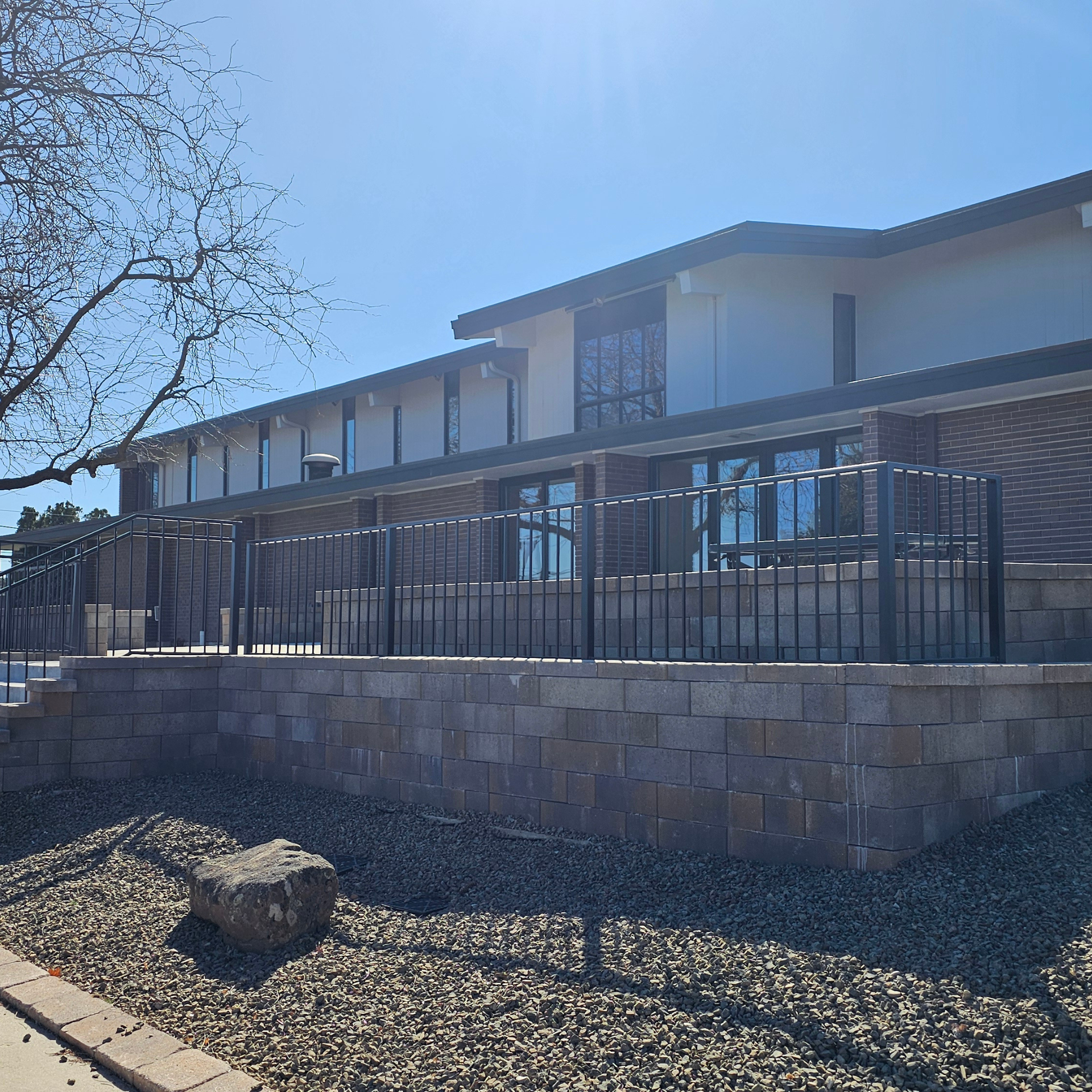
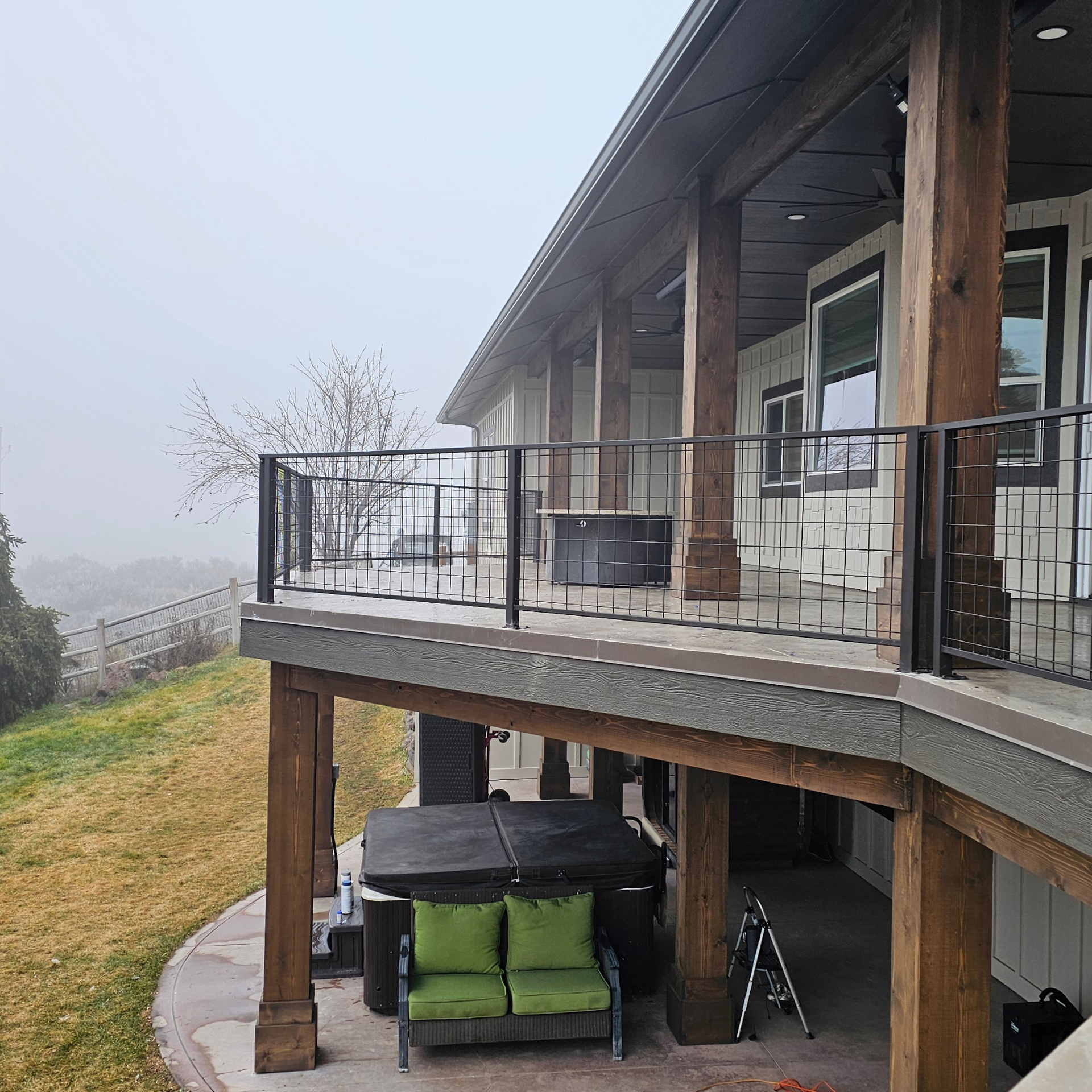
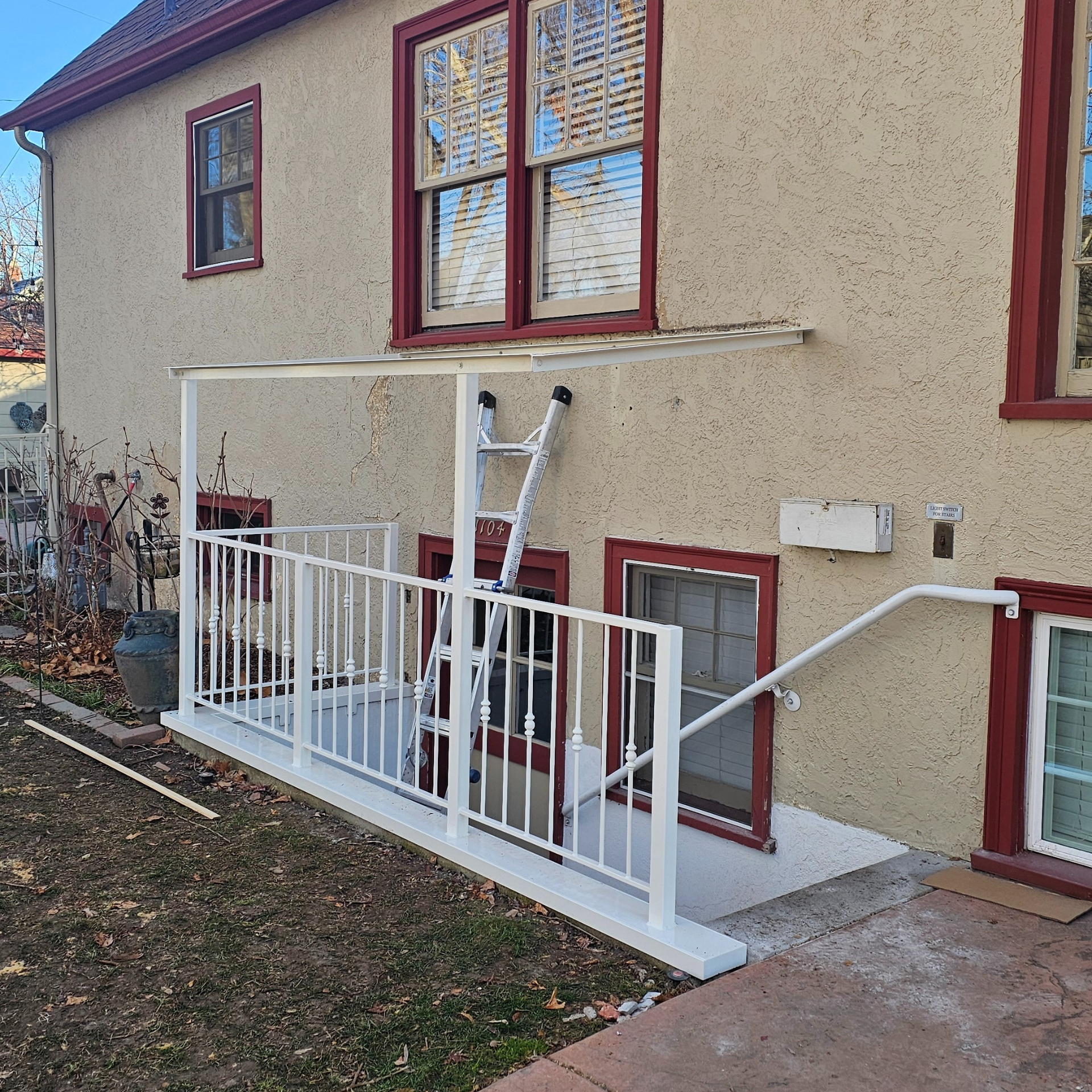
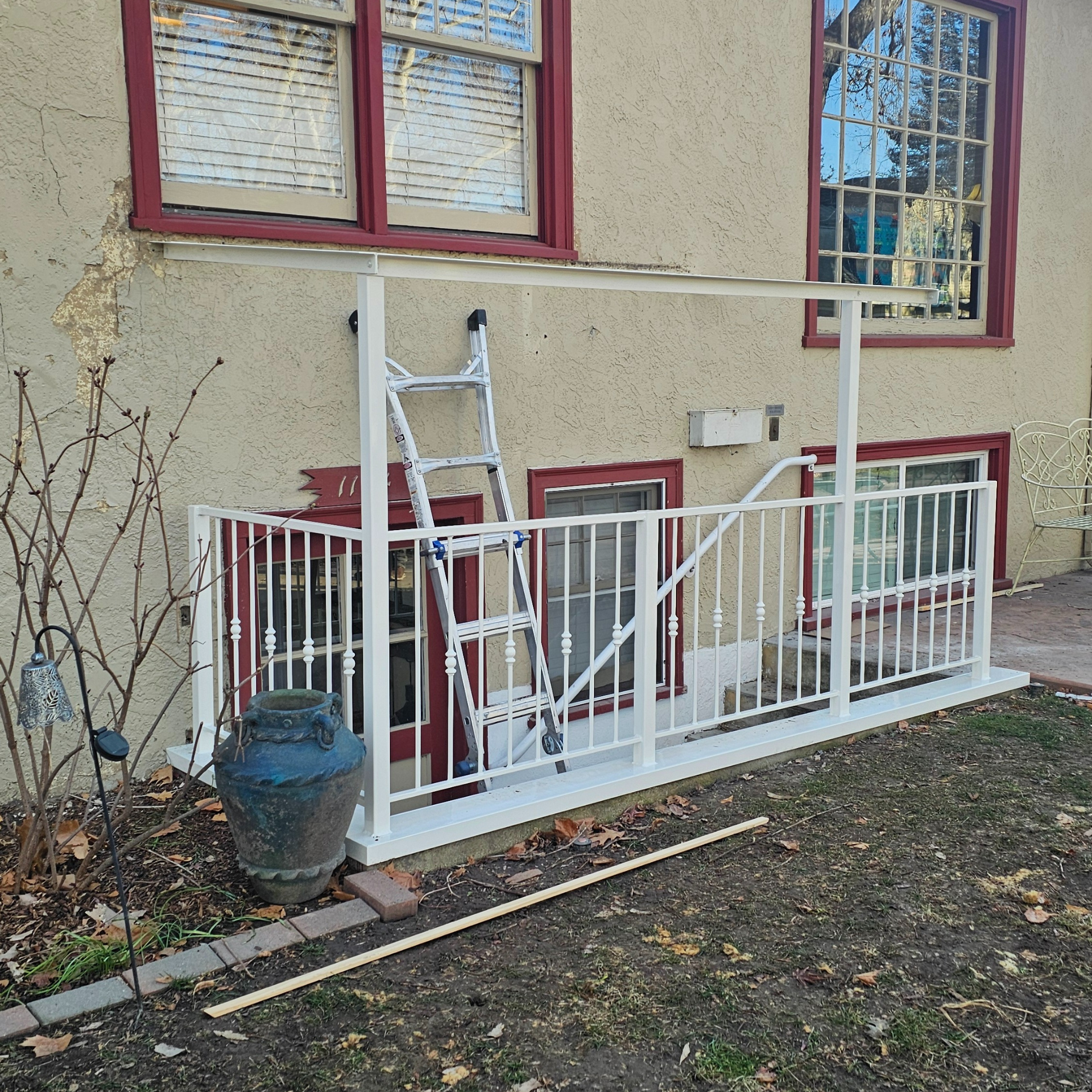
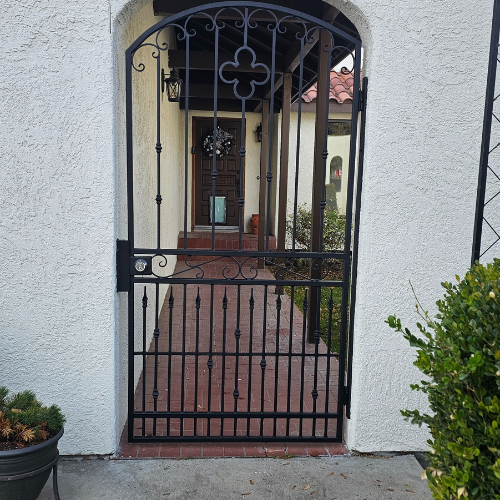
Projects involving steel stair fabricators, or detailed metal railing fabrication often sit at the intersection of design ambition and code compliance. Similarly, when working with fencing companies Boise Idaho or external features like awnings Boise ID, metal privacy gates or metal porch stairs, you must integrate structural, anchorage and weather-load code elements. A fabricator that understands these by virtue of both metal works and code experience positions your project for success.
Implementation Steps for Homeowners & Developers
- Early design meeting: review building code applicable in your jurisdiction.
- Select a fabricator with local experience (83 MetalCraft LLC is skilled in metal fabrication Boise ID).
- Review preliminary drawings for code compliance (handrail height, baluster spacing, guardrail load).
- Finalize material specs, anchorage detail, finish and installation sequence.
- Submit drawings/documentation to permit authority for approval.
- Fabrication and install: ensure anchor embedments, weld documentation and install acceptance.
- Final inspection and sign-off: ensure installed system passes code checks and project is complete.
Conclusion
Understanding how local building codes affect metalwork design is not optional—it’s essential. For homeowners, architects and builders in Idaho, choosing a fabricator aligned with local standards and colour your design with those constraints ensures your investment succeeds both structurally and aesthetically. At 83 MetalCraft LLC, our deep knowledge of welding Boise ID, metal fabrication Boise ID and the full fabrication-install process means you get custom railings, stairs and metal features that perform, look great and pass inspection the first time.
Decision-Making FAQs
What building code is used in Idaho for residential projects?
Idaho generally adopts the IRC along with state or county amendments. For instance, local jurisdictions publish hand-rail standards — maximum riser height 7¾", minimum tread depth 10", handrail height 34-38".
City of Boise,
shoshonecounty.id.gov
What code elements impact stair or railing fabrication?
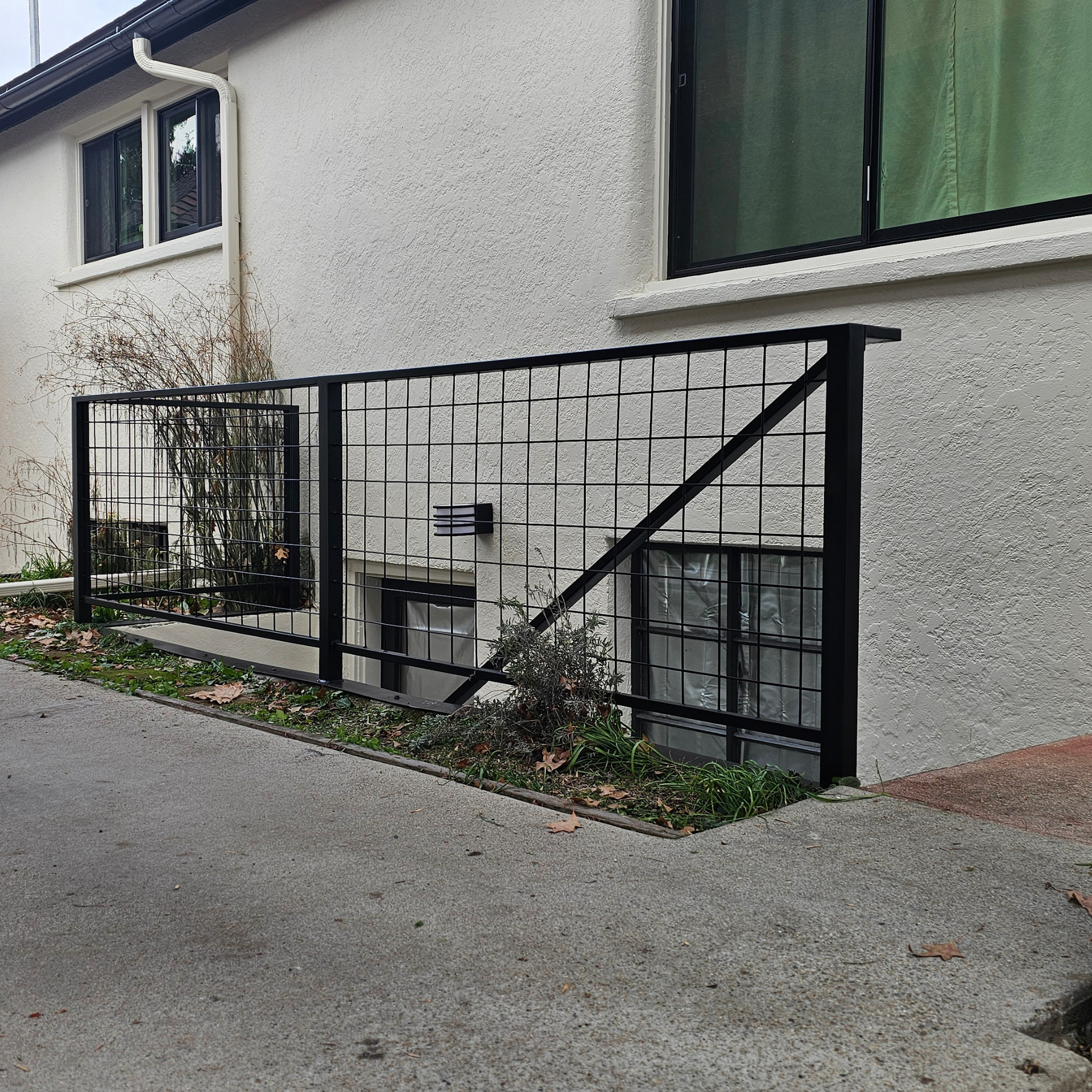
Key elements include handrail height and graspability, guardrail height, spacing of balusters/rails (so a 4-inch sphere cannot pass), tread/riser tolerances, anchorage and handrail return details.
Who is responsible for code compliance on metalwork?
Ultimately the building-permit holder is responsible. But the fabricator (especially one skilled in metal fabrication Boise ID) should design, supply and install to code and provide documentation supporting compliance.
What if I have an unusual design or custom metalworks?
When you seek ornamental fabrication or unusual forms, it’s even more important to involve a fabricator experienced with local code, structural designing and finish sequencing.
Does code apply to exterior metal-works like privacy gates or awnings?
Yes. Exterior features can be subject to local building codes, wind-load calculations, anchorage requirements and structural standards.
How much should code drive your design choices?
Ideally, code drives the baseline, and design elevates from there. A firm specialising in metal and design will integrate code early, then craft the style and finish you prefer.
Are there major differences between counties in Idaho?
Yes—even though the base code is the IRC or IBC, each county or city (e.g., Boise, Nampa) may have amendment or adoption differences. A local firm that does welding Boise Idaho work will know jurisdiction-specific rules.
What happens if the installed metalwork fails inspection?
You may be required to retrofit or replace the system, at additional cost and delay. This is why designing to code (rather than “we’ll fix it later”) is critical.
What documentation should the fabricator provide?
They should provide drawings showing compliance, material specs, weld certifications, anchorage details and install verification.
Does code change often?
Yes—codes update on multi-year cycles and local amendment can occur. A fabricator committed to custom metal works understands to keep current and design ahead.
Ready to work with 83MetalCraft, LLC?
Let's connect! We’re here to help.
Send us a message and we’ll be in touch.
Or give us a call today at +1-208-948-2114
Agency Contact Form
More Marketing Tips, Tricks & Tools
Blog