How to Prepare Your Property for On-Site Metal Installation Day
A clear step-by-step guide to readying your property for metalwork install
Introduction
When your fabrication project is ready to move from the shop to your property—whether it’s a stair railing, gate, pergola or decorative metal accent—proper site preparation makes the difference between a smooth install and costly delays. At 83MetalCraft LLC, we’ve completed many installations across the region, and we know that coordinating with your property and our install team early ensures success. This article outlines what you should do to prep your property—and why it matters.
Why Site Preparation Matters
What happens when a site isn’t ready?
When the install team from a firm specialising in metal fabrication Boise arrives but the site isn’t clear, level or accessible, delays ensue. Parts may need to be staged off-site, extra rigging may be required, or you might incur additional labor costs. According to installation checklists, ensuring proper groundwork and clear access is vital. BuildingsGuide+1
How good prep supports fast, accurate installation
A site that’s properly prepared allows the install team to work efficiently: off-load materials, align and anchor components, and tie into existing structures. At 83 MetalCraft, we emphasise close coordination because we understand that our boise metal fabrication service isn’t complete until the work is installed correctly, anchored precisely and integrated with your property. This approach helps you avoid rework and ensures a higher finish quality.
Key Steps to Prepare Your Property
1. Clear the Area & Ensure Access
Remove debris, vegetation, old structures or obstructions in the area where metalwork like a metal railing or gate will be installed. Ensure truck and crane access if needed, and that the staging area meets the size/clearance requirements. Many site-prep guides emphasise the importance of clearing and leveling before materials arrive. panhandlemetals.com
2. Confirm Foundation & Anchoring Readiness
For installations tied to your property—such as railings, stairs or custom metal elements—foundation pads, embeds or anchor bolts must be in place and cured. For example, when prepping for a steel structure, full pad curing and foundation readiness are essential. Steel Buildings & Structures, Inc+1 At 83MetalCraft, we ensure your metal custom work arrives when your site meets prerequisites so our team can hit the ground running.
3. Coordinate with Other Trades
If your install involves multiple trades—carpenters finishing framing, plumbers routing lines, concrete crews finishing footings—make sure scheduling is aligned. For example, our clients installing ornamental fabrication or rails in remodels need to ensure drywall, electrical or woodwork are done. This avoids damage or impeding our final install.
4. Confirm Delivery & Staging Details
Materials arriving from your fabrication provider must be unloaded, stored safely and protected from damage. At 83MetalCraft we advise on staging areas, tie-down requirements, and protection of finished surfaces so our quality metal fab arrives pristine and ready. Proper planning here prevents material deformation or finish damage.
5. Protect the Surrounding Environment
Installing metalwork—especially heavy rails, stairs or gates—can generate traffic, drilling, welding or vibrations. Ensure landscaping, flooring, or adjacent finishes are protected. For rail installers specialising in steel stair fabricators jobs, this prep preserves your property and reduces cleanup or repair cost.
Pros of Good Property Preparation
- Smoother install day with less downtime and cost.
- Better alignment and fit because site conditions are controlled.
- Less risk of damage to your property or to the delivered metalwork.
- Shorter overall project schedule.
- Higher satisfaction with finish and performance of the installed piece.
Cons / Risks of Poor Preparation
- Delays in install, potentially leading to additional labor or costs.
- Misfits or alignment issues due to site geometry changes or inadequate prep.
- Damage to delivery materials or property leading to warranty or rework issues.
- Higher risk of installation errors or safety hazards (especially for industrial staircase railings or exterior gates).
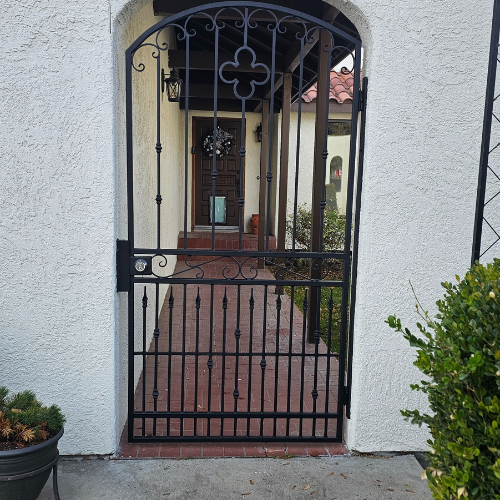
- Potential for compromised finish or aesthetic result when staging isn’t correct for awnings Boise ID or metal privacy gates.
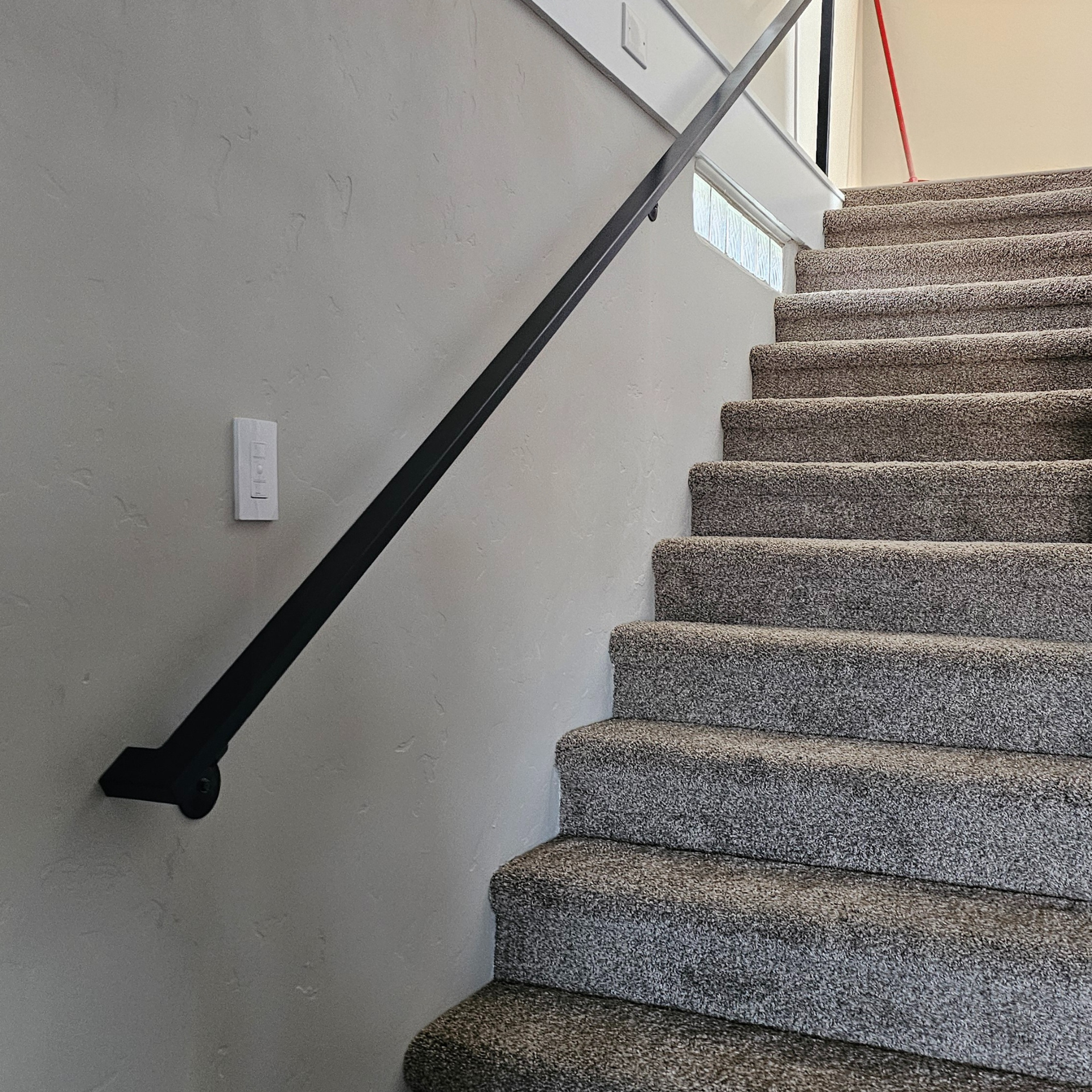
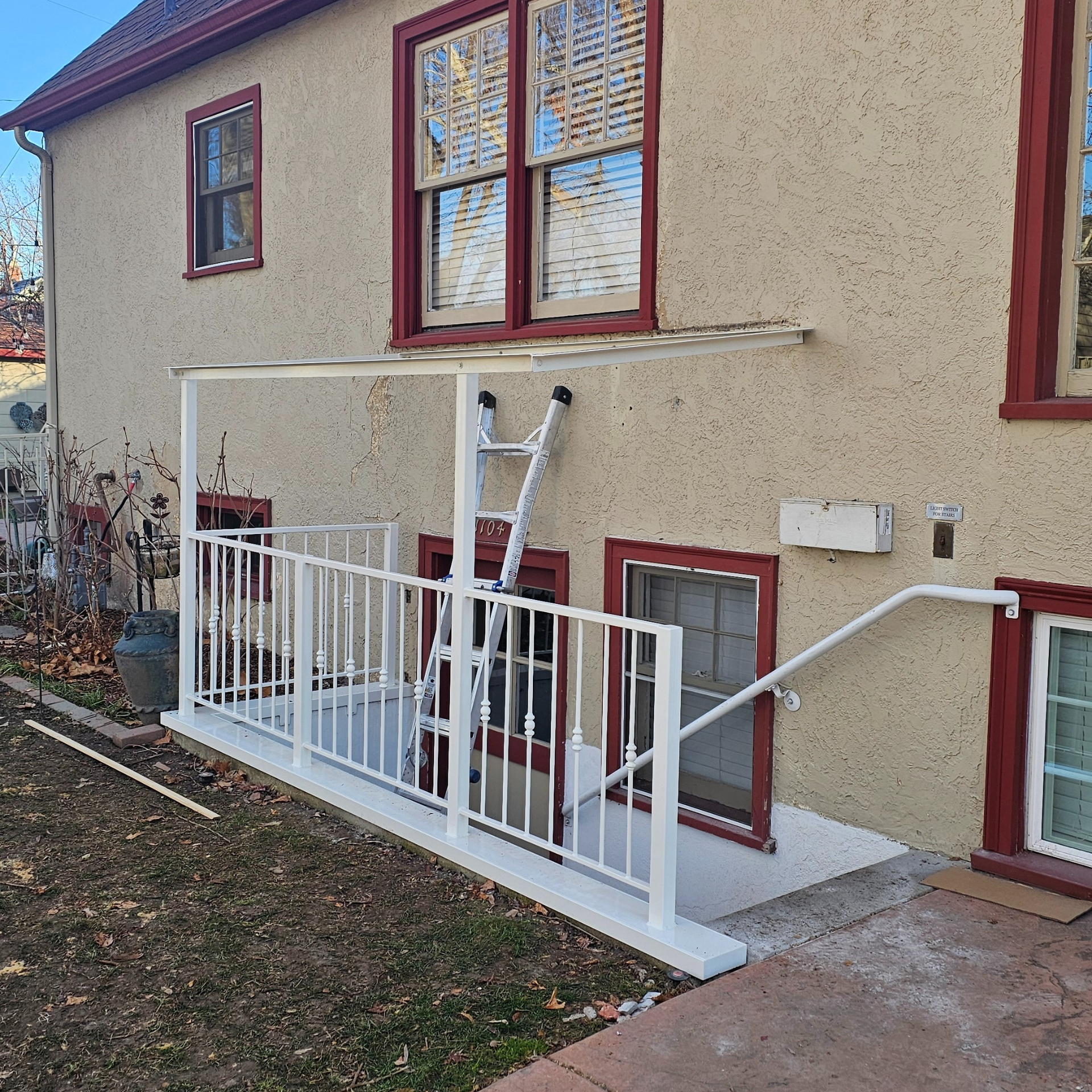
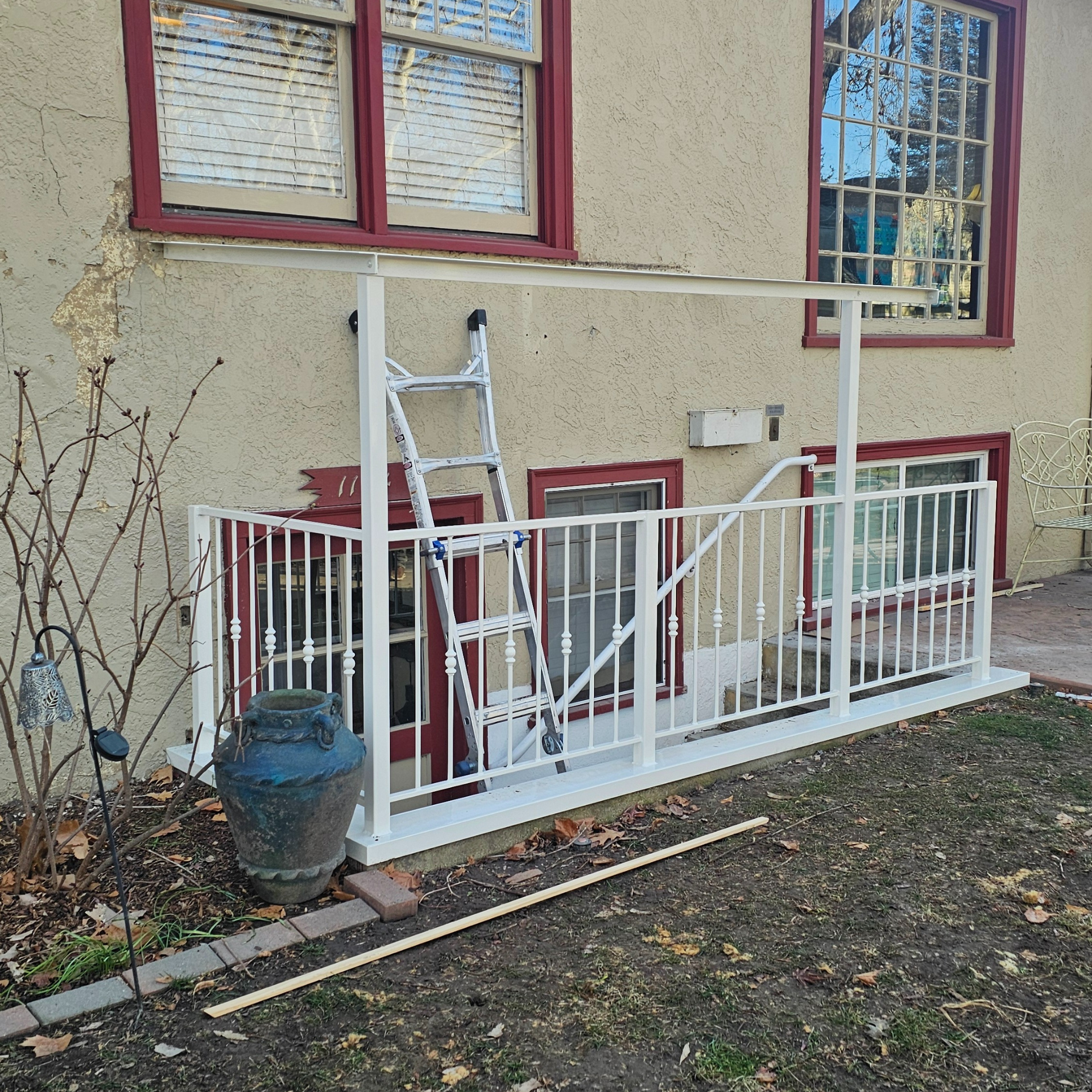
If your project involves metal railing fabrication, or modules such as metal porch stairs and architecture stairway metal railing, preparation becomes even more critical. Install teams from providers like 83 MetalCraft coordinate with local fabrication, delivery logistics, anchor embedment and finish protection—ensuring a cohesive result that aligns with your building schedule and design.
Implementation Checklist for Clients
- Confirm parking/truck access and clear path to install zone.
- Mark out the installation area, remove obstacles, and ensure stable ground.
- Verify foundations or anchor points are ready and compliant.
- Designate staging area and protect finishes nearby.
- Schedule final delivery in coordination with other trades.
- Ensure install team has clear access, utilities, and safe entry/exit path for equipment.
- Confirm protection of adjacent materials, landscaping and surfaces.
- Establish communication protocol for final day: arrival time, crew size, staging plan, site lead contact.
- Set aside contingency time for unforeseen site adjustments.
- After installation arrival, walk through install area with the shop rep and clarify final expectations.
Conclusion
Preparing your property for erection of custom metalwork may feel like the “other half” of the job—but it is just as vital as the fabrication itself. With 83 MetalCraft LLC’s expertise in metal works, plasma cutting Boise accessory fabrication or full staircase systems, we ensure our installs happen on schedule, cleanly and with minimal disruption. If you set the stage properly, we deliver the quality, fit and finish you expect.
FAQ – Frequently Asked Questions
When should I schedule the install relative to other trades?
Ideally, your metal install day should be slotted after structural/concrete work is complete and before finishes go on. Coordination prevents conflict.
Do I need to clear vegetation or landscaping?
Yes—install crews need clear access and stable ground. Clearing in advance avoids delays and equipment movement damage.
panhandlemetals.com
What if my concrete footing isn’t fully cured?
Installing too early can result in anchor failure or shifting. Ensure curing period is complete per engineer/spec.
Steel Buildings & Structures, Inc
Where should materials be staged upon delivery?
On a level, stable surface near the installation zone, protected from damage, moisture or traffic—so finished pieces aren’t compromised.
What happens if access for truck/crane is limited?
Adjustments needed: smaller crane or telehandler, extra rigging, which may raise cost. Planning ahead avoids surprises.
How do I protect adjacent surfaces (flooring, landscaping)?
Use protective coverings, mulch mats, plywood paths and communicate with the installer/site manager about protection plan.
What role does weather play on install day?
Rain, high wind or freezing conditions may delay install—especially for post-weld finishing or exterior pieces. Plan buffer days.
Will the company handle removal of old sections (rails, fences)?
Some do, some don’t. Clarify scope: who removes old, who protects finishes, who cleans up site.
Should I be present on install day?
It’s beneficial to have a designated onsite contact to address access, questions, staging and decisions—especially for metal signs Boise or custom modules.
How do I make sure the install matches the finish and design quality?
Review final drawings beforehand, walk the site with the fabricator’s rep, confirm protection of finished items, inspect anchor fit-up and finish condition after install.
Ready to work with 83MetalCraft, LLC?
Let's connect! We’re here to help.
Send us a message and we’ll be in touch.
Or give us a call today at +1-208-948-2114
Agency Contact Form
More Marketing Tips, Tricks & Tools
Blog