Combining Wood Top Rails with Metal Balusters for Warm Modern Looks
Blending natural warmth and structural strength for timeless stair and deck railings
Introduction
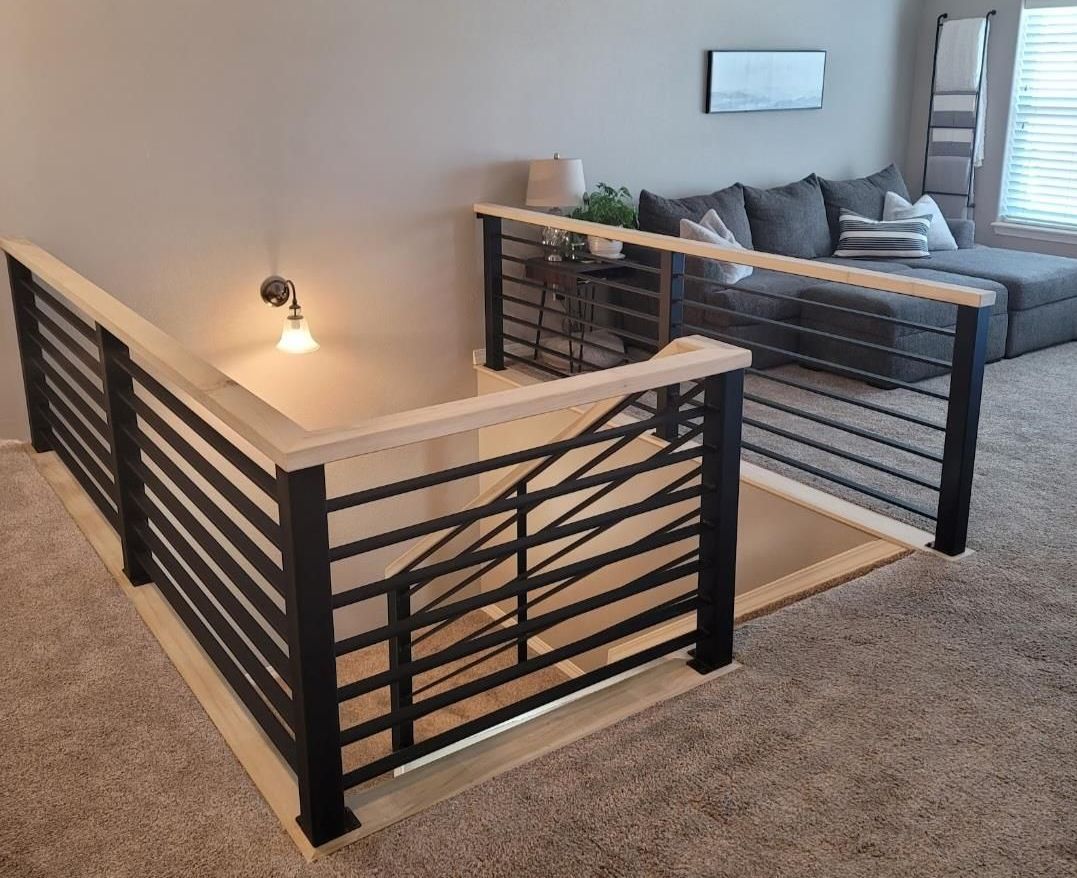
Modern and transitional home design is increasingly embracing hybrid material railings — combining the natural warmth and tactile comfort of wood with the strength, durability, and clean aesthetics of metal. At 83MetalCraft LLC, experts in metal fabrication Boise, we’ve seen how this fusion—wood top rails with metal balusters—creates railings that perfectly balance style, function, and longevity. In this post, we’ll explore why this combination works, design ideas, practical considerations, and what you should know before choosing this style for your home or commercial project.
Why Wood-and-Metal Railings Are Trending
What’s driving this hybrid railing trend?
Design professionals increasingly endorse mixing materials because it brings together the best properties of both. According to contemporary railing-design resources, pairing wood handrails with sleek metal balusters offers “a striking contrast between warmth and strength,” providing both visual softness and structural integrity. Up Stairs Rails, Fancy House Design .
This hybrid design resonates especially in climates and architectural styles where homeowners want a modern look without losing the inviting, natural feel of wood. For many, the result is a railing that feels both contemporary and timeless — perfect for staircases, lofts, decks, and patios.
Moreover, modern wood-and-metal railing systems (as offered by leading railing-system manufacturers) are engineered to meet building codes and perform reliably outdoors or indoors, combining durability and design. Metal Grain .
Popular Design Ideas: Wood Top Rail + Metal Balusters
1. Classic Vertical Metal Balusters + Warm Wood Rail
This is perhaps the most common configuration: metal balusters (usually steel or aluminum) in vertical orientation with a smooth wood handrail. The contrast between dark metal and warm wood creates visual depth — metal gives structure and strength, wood adds tactile warmth. Design trend sources highlight this combination as among the “hottest” for staircases and decks. L.J. Smith Stair Systems, Metal Grain .
- Ideal for: interior staircases, loft overlooks, exterior decks, balconies
- Pros: clean, timeless aesthetic; wood handrail feels comfortable to touch; metal provides strength and durability
- Cons: real wood rail may require maintenance (staining/sealing) if used outdoors
2. Horizontal Cable or Slim Metal Rod Infill with Wood Top Rail
For a more modern or even industrial look, some homeowners opt for metal rods or cables horizontally between posts — combined with a wood top rail. This maintains openness and sightlines, while offering a lighter, more minimalist aesthetic. Fancy House Design, Muzata .
- Ideal for: decks, exterior stairs, loft spaces, modern interiors
- Pros: open visual flow, modern vibe, less visual “bulk”
- Cons: cables/rods may require periodic tensioning/maintenance; wood rail care still required if exposed
3. Powder-Coated Metal Posts & Balusters with Wood-Look Metal Rail (for Low Maintenance)
For homeowners who love the wood-and-metal aesthetic but do not want the upkeep, some railing systems use metal posts and balusters and substitute the wood handrail with powder-coated or sublimated-metal handrail that mimics wood grain. This gives the same modern/warm contrast while improving durability and reducing maintenance. Metal Grain
- Ideal for: outdoor decks, poolside railings, homes in varied climates (like Boise’s seasonal weather)
- Pros: wood-look without warping or rot; minimal upkeep; structural metal strength
- Cons: some homeowners may prefer real wood’s feel/texture; initial cost may be higher
4. Mixed Material Staircase Systems: Wood Treads + Metal Balusters + Wood Top Rail
In many modern homes, the railing is part of a larger staircase aesthetic. Using wood stair treads, metal balusters, and a wood top rail creates cohesion, warmth, and structural confidence — particularly effective for interior staircases where design detail is important. Fancy House Design .
- Ideal for: interior staircases, open-plan homes, loft or mezzanine stairways
- Pros: cohesive design, modern-meets-warm balance, long-term durability with metal supports
- Cons: wood treads and handrails require maintenance; cost may be higher vs all-metal or all-wood rails
Why Work with a Professional Fabricator Like 83MetalCraft
- As a specialist in metal railing fabrication and custom metal works, we ensure structural integrity — combining our metalwork with design-grade wood top rails for safe, code-compliant railing systems.
- Our experience in ornamental fabrication and metal-and-design integration allows customization beyond standard kits: bespoke baluster spacing, custom wood species or metal finishes, and stair geometry adjustments.
- For clients in varying climates (like Boise’s mix of sun, snow, heat, cold), we understand durability needs — from protective coatings to proper metal/weld selection — to deliver quality metal fab that holds up over time.
Pros & Cons of Wood-and-Metal Railings
Pros:
- Visual balance: warmth + modern structure — ideal for a variety of architectural styles
- Tactile comfort: wood feels warmer to touch than cold metal — especially important for handrails
- Durability: metal balusters/posts hold up over time; if metal handrail is used, maintenance is minimized
- Design flexibility: many layout and infill options (vertical rods, cables, custom panels) to match your aesthetic
Cons / Considerations:
- Wood handrails and wood treads require regular maintenance if exposed — sealing, staining, weather protection
- Metal and wood expand/contract differently — poor installation or low-quality fasteners can lead to loosening or rattling over time. Design must account for movement.
- If real wood is used outdoors, weather exposure (sun, moisture, freeze) may speed wear — requires higher-grade wood and good sealing
- For DIY conversions — wrong fasteners or insufficient structural support can compromise safety. Professional fabrication/installation is recommended
For homeowners working on stair projects or exterior railings — such as industrial staircase railings, architecture stairway metal railing, metal porch stairs, awnings Boise ID, metal privacy gates — combining wood top rails with metal balusters delivers both aesthetic appeal and structural resilience. By leveraging metal fabrication Boise expertise, such hybrids meet design vision, code compliance, and longevity.
Implementation: What To Do When Planning a Wood-Metal Railing
- Consult early — design & structural integration: Talk with a fabricator like 83MetalCraft to choose wood species, metal type, finish, infill style and mounting method.
- Decide: real wood vs wood-look metal handrail: If low maintenance is important (e.g., exterior deck), consider powder-coated wood-grain metal instead of real wood.
- Select metal quality and welding/fastening methods: For durability and safety, metal balusters/posts should be structural-grade with proper welds or mechanical fasteners, especially for stairs or elevated decks.
- Prepare wood for outdoor exposure (if used): Use weather-treated lumber, sealants or stains; schedule maintenance as needed.
- Ensure code compliance: Confirm baluster spacing, handrail height, load requirements — especially for railings on stairs, balconies, or decks.
- Finish & installation considerations: Ensure metal components have powder-coat or corrosion-resistant finish; wood top rails are planed/sanded and sealed; installation done by pros to avoid structural issues.
- Plan for long-term maintenance: For wood elements — periodic sealing/finishing; for metal — occasional inspection, cleaning, and touch-up of coatings if needed.
FAQ — Top Questions About Combining Wood and Metal Railings
Is it safe to combine wood handrails with metal balusters?
Yes. When designed and installed correctly, this hybrid meets building-code requirements, and metal provides structural strength while wood offers a comfortable handhold.
Does real wood handrail hold up outdoors?
It can — if you choose durable wood species, seal/stain properly, and maintain it. However, exposure to sun and moisture will require regular care.
Are metal handrails with wood-grain finish a good alternative?
Absolutely. They give the same look, reduce maintenance, resist weathering, and avoid issues like warping or rot — ideal for exterior decks or Nevada/Idaho-style climate.
Will metal-and-wood railings work on staircases with steep angles?
Yes — but design and mounting must be precise. A professional fabricator should account for stair angle, load requirements, handrail ergonomics, and secure fastening of balusters/posts.
Which metal finish works best with wood handrails?
Matte black, powder-coated steel or powder-coated aluminum with dark tones contrast nicely with natural wood. Brushed metal can also work if you prefer a lighter, more industrial look.
How often does a wood top rail need maintenance?
For outdoor installations: inspect annually, clean, reseal or stain every 1–3 years depending on exposure. Indoor rails generally need less upkeep — occasional dusting or wiping.
Do metal balusters save maintenance compared to all-wood railings?
Yes. Metal resists rot, insect damage, warping, and weathering. Combined with a sealed or coated wood rail (or metal wood-look rail), overall maintenance is minimized.
Can I customize metal baluster spacing or styles easily?
Yes — one benefit of working with a custom metal-works fabricator is flexibility. Depending on design, you can choose vertical rods, cables, perforated panels, or even mixed infill styles.
Does combining wood and metal increase cost significantly?
It can be slightly more expensive than standard all-wood or all-metal railings, due to mixed materials and craftsmanship — but the aesthetic value, durability, and design flexibility often justify the investment.
Is this railing style popular in modern or contemporary homes?
Yes. The “wood-top rail/metal baluster” combination is considered a top trend in modern residential railings — offering clean lines, contrasting textures, and balanced warmth and strength.
Conclusion
Combining wood top rails with metal balusters is more than a design trend — it’s a thoughtful blending of warmth, strength, style, and practicality. For homeowners in Boise and beyond, this hybrid railing approach delivers visual appeal, structural integrity, and long-term value. If you want a railing system that looks great, feels warm underhand, stands up to wear, and matches both modern and traditional aesthetics, this is a compelling choice.
At 83MetalCraft LLC, we have the craftsmanship and experience to bring these designs to life — tailored to your home’s style, climate, and code requirements. If you’re considering this railing style for your next project, we’d be glad to help you design something that lasts and delights for years.
Ready to work with 83MetalCraft, LLC?
Let's connect! We’re here to help.
Send us a message and we’ll be in touch.
Or give us a call today at +1-208-948-2114
Agency Contact Form
More Marketing Tips, Tricks & Tools
Blog