2025 Market Outlook for North American Metal Fabrication (What Boise Shops Should Expect)
A forward-looking guide for fabricators in the Boise region to align with industry shifts
Introduction
As we head into 2026, the metal fabrication Boise region and broader North American industry face a mix of opportunity and challenge. With the market for fabricated metal products in North America projected at USD 68.22 billion in 2025 and anticipated to grow toward USD 86.61 billion by 2030. Mordor Intelligence It’s crucial for local shops like 83MetalCraft LLC to understand how these macro trends translate into local demand, capacity, skills and technology. In the following sections we’ll analyse drivers, risks, and implications for Boise-area providers of custom services like railings, gates, stairs and more.
What’s Driving Growth in 2026?
What major trends are fueling fabrication demand?
Several tailwinds are influencing the sector: increased infrastructure spending, reshoring of manufacturing, rising demand for lightweight metals in automotive and construction, and adoption of advanced manufacturing techniques. For instance, the report by Mordor Intelligence notes automation, EV-platform demand and infrastructure as key drivers. Mordor Intelligence For local shops in Idaho that specialise in custom metalwork (e.g., rail systems, decorative gates), recognising how national growth creates localized opportunity is essential.
How should Boise shops respond to these drivers?
For a shop focused on boise metal fabrication, aligning capacity with market needs means investing selectively in CNC, laser-cutting, robotic welding, and floor space. According to a report on industry outlook, firms expecting ~4% annual growth through 2030 had already begun upgrading equipment and digital tools. DureX Inc NJ Local shops must evaluate whether custom project volume, turnaround time demands and competition justify such investments.
What Challenges and Risks Should Boise Shops Prepare for?
What headwinds are fabricators facing in 2026?
Key challenges include workforce shortages (especially in welding and fabrication trades), raw-material cost volatility (e.g., steel pricing), supply-chain interruptions, and increasing regulation or environmental standards. One source highlights labour shortages as a major restraint for North American fabrication. Market Data Forecast For a “welding Boise”-focused company, these issues can drive cost up, lead time longer, and margins tighter.
How do these risks affect local custom-metal markets?
Local custom-metal shops doing metal custom work in Boise must interpret these risks into action: buffer lead times, secure material agreements, invest in cross-training, and emphasise quality to differentiate. For example, if steel plate surges in cost, a shop with fixed pricing may absorb margin hit unless mitigated. Knowing this ahead of install helps with quotes and project scheduling.
What Specific Market Segments Will Matter in 2026?
Which product categories will see growth and which may lag?
- Construction and infrastructure: The largest end-use segment (~29.5% share in North America). Mordor Intelligence This translates for Boise into residential and commercial remodels needing metal railing, metal privacy gates, custom stair and rail systems.
- Automotive & EV: Lightweighting means more aluminium and special fabrication; a trend smaller custom shops can tap via high-end decorative or structural work.
- Equipment & renewable energy: Demand for bespoke fabrications, large modules and precision assemblies will open opportunity for shops comfortable with scale and advanced capabilities.
What should Boise shops specialising in custom-metal consider?
If your focus is quality metal fab, ornamental fabrication, or bespoke architectural work (e.g., architecture stairway metal railing, metal porch stairs), you should lean into niches where local customisation matters. National volume will often go to large operations; the local advantage is flexibility, turnaround, design integration and quality, which becomes more valuable as the market tightens.
Pros for Boise Fabricators Who Align Now
- Access to a growing market: With ~4-5%+ projected annual growth, there’s room for well-positioned shops.
- Opportunity to specialise: By emphasising design-driven work (railings, gates, stairs) local shops can differentiate.
- Premium pricing potential: As general fabrication becomes competitive, the bespoke end can command higher margins.
- Local agility: Boise-area providers can respond faster than national ones, giving a scheduling advantage.
- Technology adoption: Even smaller shops adopting laser cutting or digital workflows gain productivity gains referenced in trend reports. Valley Metal Works
Cons or Cautions for Boise Fabricators
- Rising input costs: Steel price volatility and tariffs can squeeze margins if not managed.
- Skilled labour shortage: As demand rises, finding certified welders and fabricators may be harder, increasing labour cost.
- Competitive pressure: National firms or imports may compete even in custom segments.
- Capital investment risk: Upgrading equipment or digital systems costs money; if volume insufficient, ROI may lag.
- Market fragmentation: The custom sector is niche; sustaining high margins requires careful client segmentation and value-proposition clarity.
Railings, Stair Systems & Exterior Fabrication
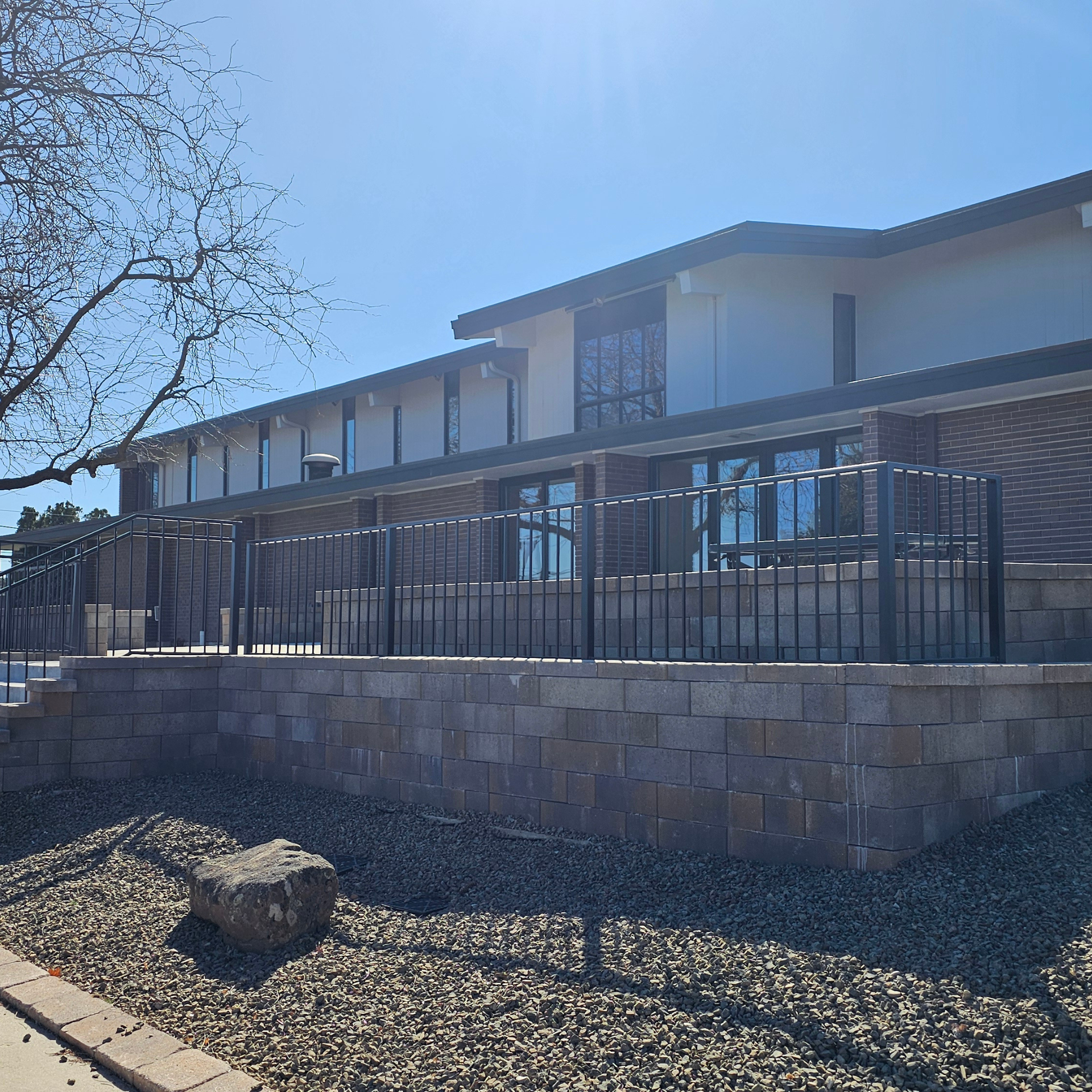
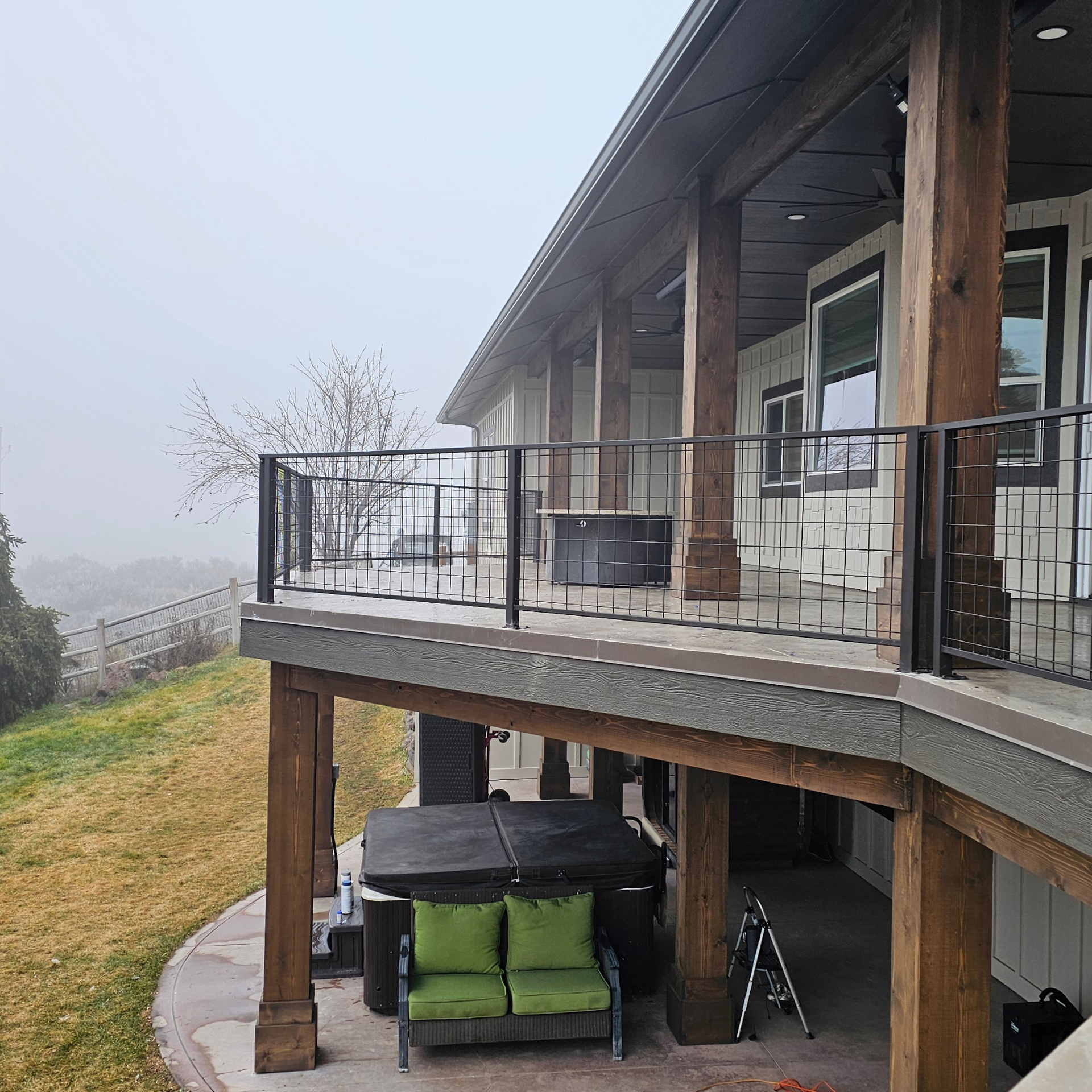
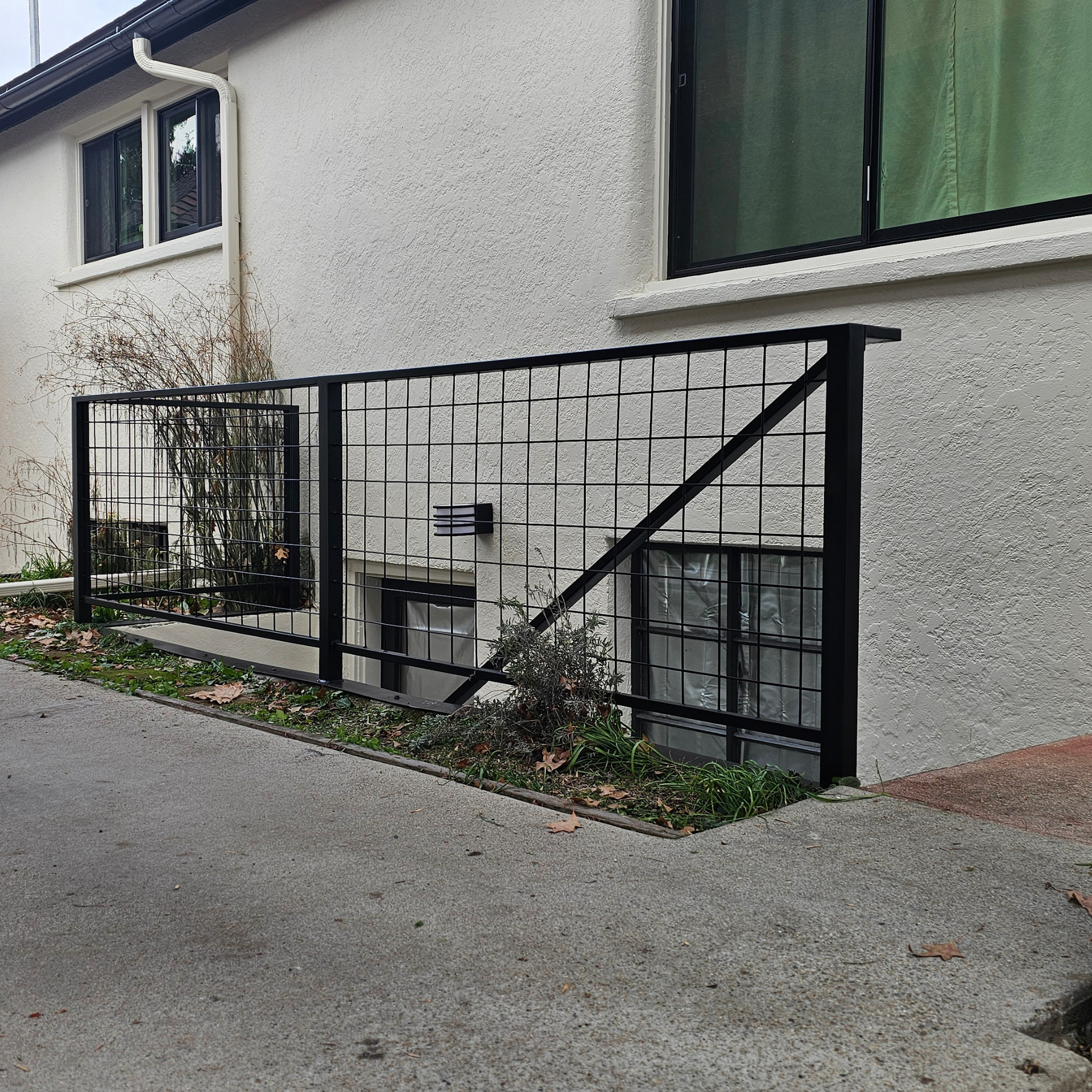
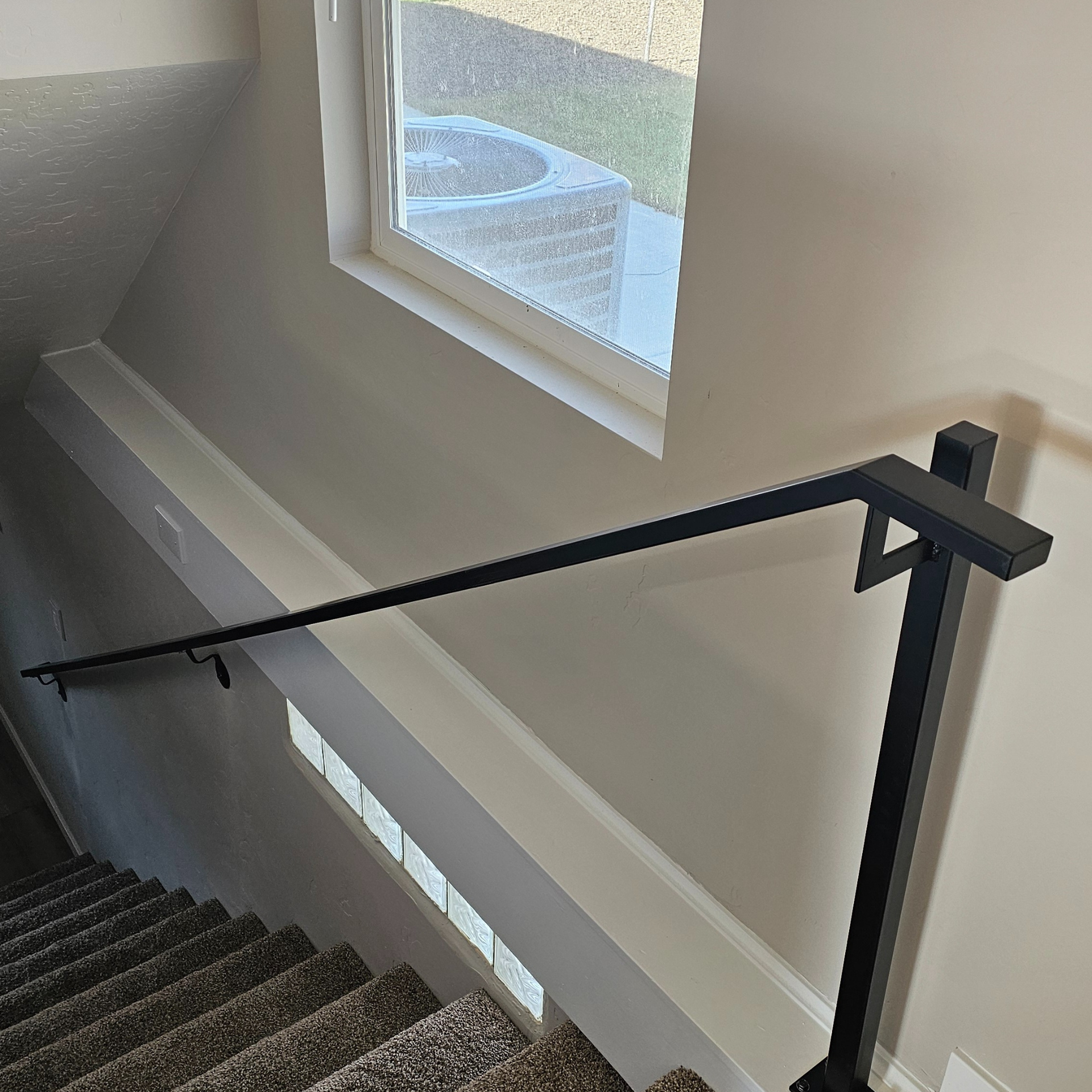
For shops producing steel stair fabricators work, metal railing fabrication, or external systems such as awnings Boise ID, metal signs Boise, and high-end decorative pieces, the macro trends translate into micro opportunities and risks. Understanding how the larger fabricator market evolves helps the local custom specialist orient toward value, service, turnaround and premium design rather than solely competing on price.
Recommendations for Boise Fabricators in 2026
- Assess your niche – Are you best positioned for custom architectural metalwork (railings, gates) or larger volume production?
- Review equipment and workflow – Can you adopt or upgrade CNC, robotic welding, plasma cutting or digital quoting to improve efficiency?
- Build material strategy – Lock material supply agreements, monitor steel and aluminium pricing, and include contingencies in quotes.
- Focus on workforce development – Invest in training welders and fabricators, consider apprentices, certifications, to offset labour scarcity.
- Differentiate with quality and design – For a company known for custom metal works, emphasising turnaround, local service and finish quality becomes competitive advantage.
- Monitor market signals – Keep an eye on infrastructure spending in Idaho and regionally, as well as housing and commercial build activity that drives demand for custom fabrications.
- Refine quoting and scheduling – With lead times under pressure industry-wide, make sure your process is streamlined so you deliver on time and maintain reputation.
Conclusion
The 2026 outlook for North American metal fabrication is broadly positive, but demands adaptation. For Boise-area shops such as 83 MetalCraft LLC, the key will be aligning your strengths—custom design, fast turnaround, finish quality—with the shifts in materials, technology and client expectations. By focusing on metal fabrication Boise ID, reinforcing your welding Boise ID
credentials, and differentiating in niches like railing fabrication, privacy gates, architectural stairs and metal works, your shop can ride the growth wave while managing risks. Understanding the big-picture helps you plan smart, bid confidently and serve your clients with excellence.
FAQ – Frequently Asked Questions
What rate of growth is expected for North American metal fabrication in 2026?
Industry reports estimate a CAGR around 4-5% through 2030 in North America.
DureX Inc NJ
How will material costs affect fabricators in 2026?
Steel pricing and tariffs remain volatile, meaning fabricators must build contingencies, monitor markets and possibly pass costs to clients.
Ryerson
Will custom metal fabrication still have opportunity compared to volume fabricators?
Yes—custom, design-driven work (railings, gates, architectural stairs) benefit from being differentiated, and smaller local shops can excel when they emphasise service, turnaround and quality.
How important is technology investment for a shop in Boise?
Very important—adoption of laser cutting, plasma cutting, digital quoting and automation improves productivity and helps compete even in smaller markets.
Valley Metal Works
What sectors will drive fabrication demand locally in Idaho?
Residential remodels, commercial build-outs, infrastructure adjacent to housing or hospitality, custom architectural metalwork.
How does the labour shortage impact Boise fabricators?
Recruiting certified welders, qualified fabricators and maintenance staff is more difficult, which may delay jobs and increase costs. A focus on training helps.
Should fabricators expect more competition or less in 2026?
Competition remains high, especially for commodity work—but for high-end custom work there’s still opportunity. Differentiation is key.
How can a shop manage input volatility (materials, labour) in 2026?
Use contracts, material price clauses, maintain supplier relationships, build accurate quoting models and manage lead-times smartly.
What should a fabricator in Boise emphasise to clients in 2026?
Emphasise local service, custom detail, delivery control, finishing quality and design collaboration—areas national mass-volume fabricators may not match.
How will sustainability and regulatory pressures affect fabricators in 2026?
Increasingly important—clients demand low-VOC coatings, recycled materials, energy-efficient processes. Fabricators must invest or differentiate in operations to align.
Ready to work with 83MetalCraft, LLC?
Let's connect! We’re here to help.
Send us a message and we’ll be in touch.
Or give us a call today at +1-208-948-2114
Agency Contact Form
More Marketing Tips, Tricks & Tools
Blog